Insecurity continues to take a heavy toll on economic activities across northern Nigeria, with residents increasingly expressing concern over declining business fortunes and safety.
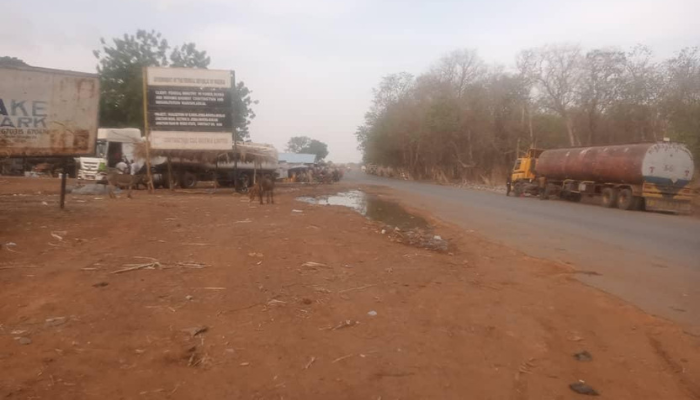
A visit by BusinessDay to Niger State revealed noticeably quieter roads, as the number of vehicles and travellers heading to the North has significantly reduced due to persistent kidnappings and killings by bandits.
Although major roads leading into the state remain relatively peaceful, movement within local communities has thinned compared to previous years. Even street activity, including child begging, appears to have declined.
Despite the attacks, farming activities continue in areas such as Mokwa, Enagi, Kutigi, Bida, and others. Farmers were seen working on their farms, while cattle breeders moved their herds calmly along the roads.
Security personnel were seen moving around, maintaining a visible presence in key areas.
Read also: Nigeria implements 30-day visa-free entry for Rwandan nationals
However, the economic impact is evident. Several businesses have shut down, while those still operating are struggling with dwindling capital and low patronage.
Marketers and business owners lament poor sales and limited access to funds.
Rabiu Ibrahim, a farmer in Mokwa, said: “Here, we still farm unlike in some other areas. Farming is our main livelihood and market. However, the only precaution we now take is to work only during daylight hours, unlike before when we farmed at any time.
“We produce crops such as maize, millet, sorghum, rice, among others, and sell them. We also rear cows and fowls in large numbers, which we used to supply to states like Lagos, Abuja and so on, he said.”
He added that insecurity has disrupted trading patterns.
“Because of insecurity, we no longer take our goods to Wawa market. Anyone who goes there now may not return. People are afraid of attacks, as many have lost their lives to banditry. We now use Zukurma market for transactions.”
According to him, the crisis has also led to an influx of people into Mokwa town seeking safety, pushing up the cost of housing.
Similarly, Hamza Mohammed, a plumber and Mokwa resident who survived last year’s flood, described the situation as dire.
“Things have not been easy, but we thank Almighty God for sparing our lives. The major problem now is food.
“Although the government is trying, it is not enough. I am currently squatting with a friend who is also struggling. The situation is so bad that I now borrow equipment to carry out my plumbing jobs whenever I get work.
“We need assistance from stakeholders and government,” he added.
Halirah Suleiman, a canteen owner in Kutigi who sells food to travelers, said her business has been badly affected.
“The situation has really changed. I now cook in smaller quantities because we no longer see customers like before.
“As you can see, most of the spaces here are empty. Sometimes, the food doesn’t finish, even when we sell a plate with meat for as low as N1,000.”
Zakariyyah Sani, who deals on cloths at Abunamu Plaza in Kpakungu, Chanchaga Local Government Area, also decried the low patronage.
“There is no market. We are just trying to survive in the business, but it is no longer encouraging.
“Before, customers moved up and down the plaza buying items, but now we are only coping by God’s grace,” she said.
Alhassan Usman, a civil servant, said insecurity has forced him to relocate his children’s education.
“I have moved two of my children from Kaduna State to the Federal University of Technology, Minna, because of insecurity.”
Other business owners who spoke shared similar experiences of hardship and uncertainty.
Despite these challenges, the Niger State capital, Minna, remains relatively calm, with residents going about their daily activities without major disruptions.

Join BusinessDay whatsapp Channel, to stay up to date
Open In Whatsapp