For Africa’s largest black nation to achieve all-inclusive national growth, the federal Government has been urged to strengthen pension schemes, implement National Policies to alleviate rampant poverty and protect the rights of the older population.
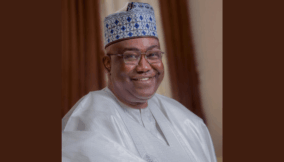
Olarenwaju Ajiboye, a professor of Social Gerontology and Gender Development Studies from Lagos State University, LASU, disclosed this at the 121 inaugural lecture with the topic: ‘That we may Age Gracefully: A Social Gerontologist’s X-Ray of Later Life’.
Ajiboye called for a radical shift in how Nigeria views and treats its ageing population, adding that the government needs to subsidise geriatric healthcare and specialised medical services.
He urged the government to create Inter-generational programmes where youth can learn from the wisdom of their elders.
The lecture, delivered before a capacity audience of intellectuals and policymakers, served as both a scholarly contribution to the field of Sociology and a passionate plea for the protection of older persons in a country facing rapid demographic shifts and economic hardship.
The university Don noted that while Nigeria is often discussed in the context of its youth bulge, there is a silent demographic transformation.
“As of 2026, Nigeria’s population has surged to over 242 million. Within this figure, approximately 14.8 million people are aged 60 and above, a number projected to hit 25 million by 2050,” he said.
The Professor warned that this growth is occurring against a backdrop of severe “socioeconomic hardship noting that World Bank data from October 2025 reports that 139 million Nigerians (roughly 62 percent of the population) live in poverty. Rural areas are hit hardest, with a 75.5 percent poverty rate.
Older women are particularly vulnerable, with up to 85 percent of those aged 60+ living in poverty.
“Unfortunately, the traditional reliance on the extended family is becoming ineffective,” the Professor remarked, noting that the breakdown of old support systems has left many older individuals with no choice but to engage in “manual work” or petty trading just to survive.
A significant portion of the lecture was dedicated to Ageism, which the Professor described as being as damaging as racism or sexism. The lecture identified four distinct types of ageism: Personal: Individual feelings of pity or irritation toward older people; Interpersonal: Actions like making age-related jokes or being patronising; Institutional: Policies like mandatory retirement ages or healthcare neglect, and Internalised: When older persons themselves accept negative stereotypes, leading to self-limiting beliefs.
The Professor argued that these biases directly hinder the “graceful ageing” process by damaging self-confidence and reducing access to quality healthcare and employment.
Drawing on over two decades of research, Ajiboye shared findings that challenged traditional African values regarding old age security. In a 2007 study, the Professor investigated the cultural preference for male children as a “safety net” for ageing parents.
“The study reported that female children are often more caring and emotionally tied to their older parents than their male counterparts,” the Professor revealed. This research effectively debunked the myth that only sons can provide security, highlighting the need for gender-neutral emotional and social support.
The Lasu professor issued a “multifaceted” roadmap for stakeholders to ensure that ageing becomes a stage of dignity rather than dread.
The lecture encouraged older persons to prioritise physical activity, maintain “mental stimulation,” and adopt a positive mindset. “A busy mind is a happy mind,” the Professor noted, urging “recycled teenagers” to stay curious and socially connected.

Join BusinessDay whatsapp Channel, to stay up to date
Open In Whatsapp