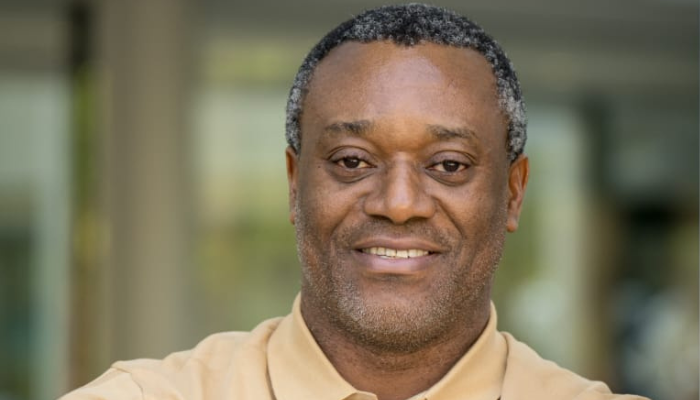
Eberechukwu Uneze began his studies at Imo State University, where he first encountered Economics as a discipline. Decades later, he engages with institutions that shape policy across continents, and observers in Nigeria’s academic and development circles now cite his career as an example of what sustained study and service can produce.
After Nigeria, Uneze moved to the United Kingdom for postgraduate study in Economics and Economic Policy. There he encountered international development frameworks and the systems that underpin both advanced and emerging economies. He has said the exposure changed how he reads economic data, connecting it to the institutions and people behind the numbers.
Rather than settle abroad, Uneze returned to Nigeria. He has described this decision as a matter of purpose rather than convenience, noting that expertise gains meaning only when applied to problems at home. His return marked the start of a career that would move between banking, academia, research, consulting and executive leadership.
In banking, he worked directly with financial systems. In academia, he taught and published. As a researcher and consultant, he took on questions of governance, development financing and institutional reform. Each role added to a body of work that now spans several sectors.
Over the years, Uneze has worked with organisations including the World Bank, the African Development Bank, the Department for International Development and the Overseas Development Institute. His travels for conferences and policy forums have taken him to Rwanda, Brazil, Ghana, Turkey, India and South Africa, where he has taken part in discussions on development, governance, agriculture and trade.
Colleagues note that his contributions draw on more than reports and statistics. He brings observation and lived experience from Nigeria into rooms where policy is debated, arguing that solutions imported wholesale from other systems rarely fit local conditions without adaptation.
His career is often framed as a challenge to a common assumption in Nigeria: that international success requires distance from home. Uneze’s path suggests otherwise. Those who have followed his work say his continued connection to Nigeria is not a limitation on his global relevance but a source of it, giving his analysis a grounding that outside observers may lack.
For young Nigerians and other Africans watching his trajectory, the message is one of process rather than shortcut: study, practice across sectors, and a return to service, repeated over years, can lead to a seat in rooms where policy is made.
Uneze’s career continues, and those who track it point to a consistent thread running through it: that influence in economics and development need not begin in privilege or in the capitals of wealthy nations. It can begin, as his did, in a lecture hall in Imo State, and extend from there to conversations shaping Africa’s economic future.

Join BusinessDay whatsapp Channel, to stay up to date
Open In Whatsapp