…Tithes, offerings, attendance shrink
…Fellowship abridged over high energy cost
This is not the best of times for the Church in Nigeria. The harsh economy is biting hard on the Church and affecting its programmes.
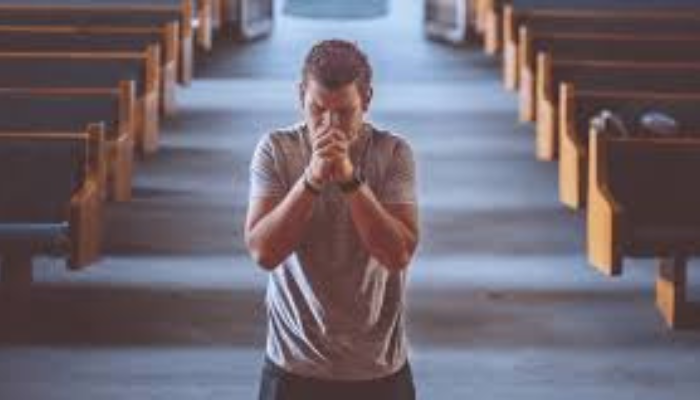
The attendance is being affected as members battle with inclement economic weather.
The shrinking economy has also affected the earnings of many people including, and by extension, their financial contributions in the church.
On the back of the economic crunch, the day-to-day running of the church has become a little bit cumbersome coupled with the high cost of petrol and diesel, making keeping the auditoria lit on service days a tall order for many churches.
For instance, in 2025, Williams Aladekugbe, the Archbishop of Ibadan Province, Church of Nigeria Anglican Communion, said that the present economic hardship resulting from the removal of fuel subsidy was having its effects on the Christians community in Nigeria, as many families could no longer attend church services, while some of those who manage to attend church services, have no money for offerings and other contributions in the Church.
Aladekugbe made this observation while delivering the 1st lumni Lecture on the
title, ‘The faith once delivered to the saints in the context of contemporary socio-economic challenges,’ at the Department of Religious Studies, Faculty of Arts, University of Ibadan, in Ibadan, Oyo State.
Read also: Police arrest syndicate specialised in robbing churches, businesses in Delta
While the government and economic analysts point to a picking economy – it is however, not yet time to sing the ‘songs of praises’ for many households (including the Church) who still reel under the harsh consequences of the present administration’s socio-econonic reforms.
“One had hoped that the Renewed Hope Agenda that our President announced would be a lively hope. But it has turned out to be a dead hope,” Joseph Ojo, founder, Calvary Kingdom Church (CKC), told BusinessDay, indicting that running services now is getting too expensive for the Church on the back of the spike in energy cost.
For many churches, especially those in the city centres who organise weekly services; finding an alternative to diesel-powered generating set is no longer an option because churches now understand the economics of holding between three and four services per week.
“So, we are praying that the economy, especially the aspect of power, you know, be resolved,” Ojo said.
The power challenge and energy mix
With the hike in prices of fuel and diesel, the cost of transportation have been significantly affected, resulting in cost-cutting measures by both the worshippers and their worship centres.
On the surface, it poses no immediate and noticeable challenge for many churches, especially those with large following.
However, when an organisation consistently lose people in physical attentance – it somehow tell on the overall health of the organisation.
The Church in this instance have been losing worshippers gradually, as many now prefer to stay back at home for virtual services others stayed away all together.
Currently, the power situation is nothing to reckon with. Too many things are going wrong as a result of premature power supply.
According to those conversant with the situation, the negative effect is robbing too much on the health and wealth of the general masses and the church inclusive.
Churches are finding it more and more difficult to fuel their power generating machines as a result of high cost of diesel and PMS.
Many churches have harmonized their programmes and cut down on activities, among other alternatives that some churches have adopted for power supply are the use of solar energy and inverter system.
“In the midst of these challenges, God helped us through the support and commitment of capable hands within the church,” Chidi Anthony, founder, Kings in Christ Power Ministries International, told BusinessDay.
Anthony, whose ministry recently concluded a 3-day annual programme, said members willingly came together to contribute financially towards the purchase of diesel and other power needs for the programme.
According to him, the power situation during the recently concluded annual ‘Greater than the Pool of Bethesda’ was quite challenging, especially with the current increase in diesel prices and unstable electricity supply across the country.
He diaclosed that like many ministries, the church had concerns about sustaining power throughout the event because of the demand required to run sound systems, lighting, and other facilities effectively.
“It was truly a collective sacrifice and a demonstration of unity and commitment to the work of God,” Anthony said.
He added that despite the economic realities and rising operational costs, the church remained committed to ensuring that the program was held successfully without disruption.
According to him, the willingness of members to support financially and practically played a major role in making it possible for the church to auccessfully run its programmes.
Bayo Sola Aremu, senior pastor, Yaba Baptist Church, said things are changing on the back of the country’s current economic reality, and that the changes have recorded adverse effects on church programmes and activities.
According fo him, some church members have opted for online worship partly due to lack of transportation and some other best known reasons. He added that churches now record low attendance compared to some years in the past.
He noted that the trend began with COVID and has continued ever since. According to him, the situation has come to stay, with some church members alternating between online and physical fellowships.
According to him, the trend is indirectly affecting the income of the church, with more of the worshippers staying away from weekdays programs than on Sunday worship.
“We now have very few people attending program during the week while on Sunday the attendance is still reasonable,” he said.
Response to dwindling resources
While the economic hardship is pushing members to rethink their church attentance and adjust their weekly schedule; the church is also adjusting to the dwindling resources occassioned by drop in attentance, offerings and tithes.
“Some of us have maybe reduced staff to the barest minimum to be able to manage the little resources that come in, hoping that there will be improvement,” Ojo said.
He also disclosed that all hopes is not lost as the church continue to trust God for better provisions, while making do with what is readily available. “That’s what we are praying for,” he said.
On his part, Anthony said that the ministry understands the difficult economic realities many people are facing at the moment.
He disclosed that the church recently
shared palliatives with members and people within the community as part of its commitment to showing love and support, to help ease the burden on families and individuals going through difficult times.
“The church believes that beyond spiritual nourishment, there is also a responsibility to provide practical care and support to people, especially during challenging seasons like this,” Anthony said.

Join BusinessDay whatsapp Channel, to stay up to date
Open In Whatsapp