…As HELDI holds final healing circle on gender-based violence in Rivers
Healthy Life Development Initiative (HELDi) has debunked claims that human generated methane was bigger than hydrocarbon sourced one.
Groups such as Brown Louis Ogbeifun of African Centre for Transparency Accountability and Initiative (AfriTAL) and the Environmental Centre for Oil Spills and Gas Flaring (ECOSGF) led by a catholic cleric, Edward Obi, have led in studies to show that methane caused by human activities have increased methane up to 84 times, admitting that methane is a major challenge in the global resolve to address Climate Change and its impacts, and that the effects of methane had already become almost 30 times greater than those of carbon dioxide!
In a recent outing, however, the Natural Resource Governance Institute (NRGI), in partnership with the Centre for Journalism Innovation and Development (CJID), hosted a live hybrid social engagement session with Civil Society Organisations (CSOs), media practitioners, and community stakeholders on deepening emission transparency initiatives.
The session was officially opened by Tengi George-Ikoli, Country Manager of NRGI, while facilitation was anchored by Ahmad Muhammad, the Programme Officer. The interactive engagement was focused on methane emissions, environmental accountability, and strengthening data driven advocacy within the oil and gas sector.
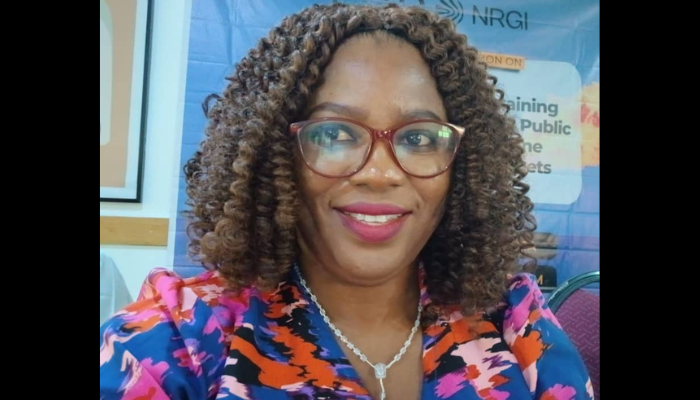
Mfon Utin, Coordinator of HELDI, actively participated in the engagement where it was highlighted that crude oil and petroleum activities in Nigeria emit the largest amount of methane compared to other sources such as agriculture, waste management activities, coal mining, biomass burning, and natural wetlands.
It was explained that methane emissions from petroleum activities occur through different pathways, including venting, which accounts for about 68% and refers to the direct release of methane into the atmosphere without combustion during operational processes such as maintenance activities and pressure releases.
It was also noted that incomplete flaring accounts for about 16% and occurs when gas is burned but not completely combusted, resulting in the release of methane and other harmful gases into the atmosphere.
Read also: FG signs pact with IEA on methane reduction, clean cooking expansion
Operational emissions/fugitives, which account for about 18%, arise from leaks and releases from equipment, pipelines, valves, and other infrastructure during crude oil extraction and processing activities.
Furthermore, it was explained that during proper flaring, methane is converted into carbon dioxide and water. However, when combustion is incomplete, methane is still released into the atmosphere, thereby contributing to environmental pollution and climate change.
The session also covered emissions classification under Scope 1, Scope 2, and Scope 3 emissions. Scope 1 emission refers to direct emissions from owned or controlled sources such as gas flaring, venting, and fugitive leaks at oil production facilities. Scope 2 emissions are indirect emissions resulting from the generation of purchased electricity, steam, heating, or cooling used in operations. Scope 3 emissions refer to all other indirect emissions that occur along the value chain, including extraction, transportation, distribution, and end use of petroleum products by third parties.
It was further emphasized that methane emissions can be significantly reduced when operators adhere to proper safety measures and utilize effective gas capture systems.
It was emphasized that the Niger Delta region bears a significant burden of methane and other harmful emissions due to extensive petroleum activities, with community stakeholders confirming the associated environmental and health impacts.
These impacts include climate change, air pollution, respiratory and cardiovascular diseases, reduced agricultural productivity, and broader ecosystem degradation. It was also noted that key pollutants such as methane, carbon dioxide, sulfur dioxide, and other toxic compounds contribute significantly to environmental and public health challenges in the region.
Participants were re-introduced to the Emissions Monitoring and Accountability Tools (EMAT), using data from the 2022 and 2023 NEITI reports submitted by various oil companies, including International Oil Companies (IOCs) but this time with a deeper dive into its origins and use.
The use of the EMAT tools enabled stakeholders to understand the amount of methane emitted by different companies, access and analyze emission data, compare company performance, identify gaps in reporting and compliance, and strengthen evidence based advocacy efforts. Stakeholders were also trained on the use of Freedom of Information (FOI) requests and media reports, a capability offered by the tool, to engage regulatory agencies and promote transparency and accountability in emission reporting.
Participants split into their existing varied thematic working groups; legal reform and enforcement, transparency advocacy, and corporate disclosure. Each group actively contributed to reviewing and refining the advocacy roadmap aimed at strengthening methane reduction efforts and environmental governance.
On 25th May 2026, stakeholders reconvened for a more practical physical engagement focused on strengthening corporate compliance and public accountability for methane emission reduction targets. During the session, participants further enhanced their skills in advocacy strategy development, environmental governance, corporate monitoring, and social media sensitization.
The engagement also provided stakeholders with the opportunity to carry out sensitization activities across various social media platforms, thereby increasing public awareness on methane emissions, environmental laws, and the need for stronger enforcement of existing regulations and policies. Through the use of EMAT tools and NEITI data, stakeholders were able to identify non-compliant companies and better understand the importance of data driven advocacy in promoting environmental accountability. The presentations made by the various working groups showed that participants had a good understanding and knowledge of the use of the EMAT tool.
The sessions also strengthened collaboration among stakeholders, including CSOs, community representatives, and media practitioners, in advancing methane reduction targets. It is also necessary for Nigeria to align with international standards and the Paris Agreement in addressing climate change and environmental sustainability issues.
It note that the use of appropriate extraction techniques, adherence to safety measures in petroleum operations, and effective environmental regulations can significantly reduce pollution and emissions, including methane. The conversion of flared gas into useful energy was identified as one of the sustainable solutions capable of reducing environmental degradation while promoting energy efficiency and cleaner production practices.
Final trauma healing on sexual and gender-based violence held in rural areas:
Meanwhile, the third and final ‘Trauma Healing Circle’ was successfully held in May, 2026, at the Eleme Civic Centre by Healthy Life Development Initiative (HELDi).
The session brought together another group of survivors, including indigenes and residents from various communities across Eleme LGA. Also, in attendance were representatives of the community trained women leaders, Patience Osaroejiji and Cherish Obarido, a representative of FIDA Bar, Njunberemere Okakaoba, and members of the media.
The turnout was said to have exceeded expectations, as several participants from previous circles who had received information about the session joined without formal invitation, particularly due to alleged emotional healing and skill acquisition components of the programme.
According to Utin, their enthusiasm and willingness to participate further demonstrated the urgent need for continuous safe spaces and psychosocial support for survivors within the communities.
The session commenced with counselling and emotional support activities facilitated by the psychologist, Cynthia Obi. She led an impactful session titled “The Healing Journey: Understanding Trauma, Emotions, and Reclaiming Identity.”
The session also emphasized self-worth, emotional expression, healing processes, and rebuilding personal identity after traumatic experiences.
Another session on “Promoting Safety, Rights, Healthy Relationships, and Support Systems” was facilitated by Utin. The discussion focused on personal safety, human rights, healthy communication, recognizing abusive behaviors, building supportive relationships, and the importance of community support systems for survivors.
The legal and safety session was facilitated by the FIDA representative in Eleme LGA, Njunberemere Okakaoba, who enlightened participants on their legal rights, available protection mechanisms, reporting pathways, and the importance of seeking justice and professional support in cases of abuse and violence. The interactive session allowed participants to ask questions and gain clarity on several legal concerns affecting women and survivors.
Ngozi Anele, who expressed lack of confidence in public speaking and facilitation, attended with her baby. This component was particularly inspiring. She gradually through encouragement, mentoring, and support from HELDi coordinators, gradually built confidence and successfully led the practical session.
HELDi is said to have intentionally created this opportunity because economic empowerment and financial stability are key pathways for women, especially survivors, to rebuild confidence, reclaim dignity, strengthen resilience, and achieve independence.
Ngozi’s transformation became a source of inspiration to many participants. By the end of the training, she expressed deep joy, fulfilment, and gratitude, while participants applauded her courage and practical teaching skills. Her story served as a powerful reminder that with support and encouragement, survivors can rediscover their strengths and become agents of change within their communities.
Thus, during the sharing sessions, the room was filled with emotions as participants courageously shared their personal experiences and challenges.
Many participants also expressed their excitement and willingness to immediately begin the snack production business as a means of economic support for themselves and their families. The atmosphere throughout the day reflected love, unity, solidarity, and mutual support among the women.
The coordinator of HELDi also promised to add them to a general WhatsApp platform, where they can connect with other beneficiaries and share skills learned during the first and second Trauma Healing Circles, including reusable pad production and the making of hair bands and hair packers while others learned too from them. HELDI continued to engage the participants even after the event, Utin explained to newsmen.
She thus expressed gratitude to the courage, resilience, and participation of every woman who attended the sessions. “HELDi remains committed to promoting healing, dignity, empowerment, human rights, and sustainable support systems for women, girls, and survivors across communities.”

Join BusinessDay whatsapp Channel, to stay up to date
Open In Whatsapp