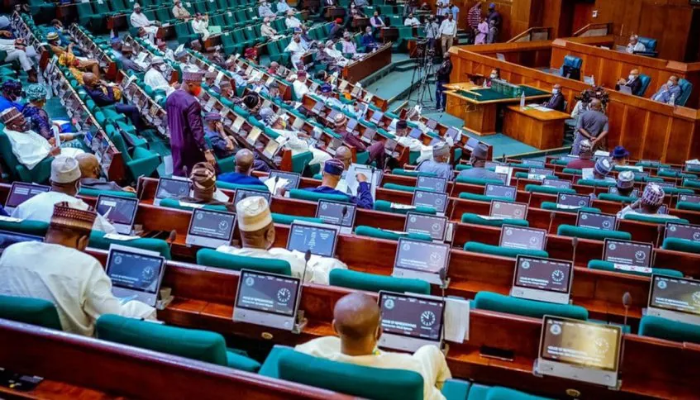
Just over a year ago, Nigeria’s House of Representatives appeared ready to enter a new digital era.
In a long-overdue move, rows of electronic devices had appeared on the desks of 360 lawmakers inside the Green Chamber, signalling what parliamentary leaders described as a major step towards digitising legislative proceedings.
The technology promised greater efficiency, improved record-keeping and, perhaps most importantly, more transparent voting on matters of national importance.
As seen in some climes, the devives could be used to vote electronically, access legislative documents, and communicate with the presiding officer or clerks during proceedings.
But when lawmakers gathered last week to vote on one of the most consequential constitutional amendments in recent years, a bill seeking to establish state police across Nigeria, the chamber found itself reverting to on one of parliament’s oldest methods: lawmakers raising their hands.
The contrast was difficult to ignore. There were literally digital touch screen devices before every lawmaker, which undoubtedly must have come at a cost of tax payers money, but they stayed idle.
Read also: 2,180 disability communities to benefit from climate-smart agriculture training
As members prepared to vote on the bill, Tajudeen Abbas, Speaker of the House informed that the electronic voting system was faulty and could not be used. Instead, lawmakers were asked to indicate their positions through a manual show of hands while officials counted the votes.
The process quickly generated a rowdy session. Some lawmakers questioned the transparency of the manual count, particularly given the significance of the legislation under consideration.
At one point, frustration spilled into the open when a member shouted: “Are we primary school students showing the whole world our weaknesses?”
While the bill eventually passed, the debate surrounding the voting process reopened broader questions about the House’s digital modernisation pledge. As part of its legislative agenda, the House had pledged a digitalised lawmaking process.
The electronic devices installed across the chamber were widely viewed as part of a gradual transition towards an e-parliament model designed to record votes electronically, reduce disputes over voting outcomes and provide a clear record of lawmakers’ positions on contentious issues.
However, the digital devices have remained a symbol more than a tool. They have not made any clear difference yet in the House as the traditional processes remained in place throughout weeks of plenary.
The issue of voting transparency has become increasingly sensitive in recent years. Nigerians still recall what played out during the House approval of state of emergency rule imposed by President Bola Ahmed Tinubu in Rivers State and the confirmation of Vice-Admiral Ibok Ibas as its sole Administrator after the suspension of the governor, Siminalayi Fubara and his deputy, Ngozi Odu.
The use of a voice vote to approve such a weighty measure drew sharp criticism from civil society groups, legal scholars, and even some lawmakers, who argued that it was unconstitutional.
Against that backdrop, many observers expected the House’s digital infrastructure to eventually address some of those concerns.
Instead, the state police vote highlighted the gap that still exists between acquiring technology and integrating it into legislative practice.
The inability to deploy the electronic system during a landmark constitutional vote inevitably raises questions about its readiness and reliability.
The House undoubtedly looks more digital than it did years ago, but what is less certain is when the technology will become an integral part of the legislative process rather than merely part of the furniture.

Join BusinessDay whatsapp Channel, to stay up to date
Open In Whatsapp