For years, conferences were built around scarcity. Expert access was limited, so audiences gathered to listen while a handful of people spoke. That model made sense when it did. Today, expertise is everywhere because the internet has solved the access problem while event design is playing catch up.
Having moderated enough panels, I believe they run on a fragile social contract that assumes everyone will respect their time, defer to the moderator, and contribute in good faith. All it takes is one participant who ignores these assumptions for the session to become an exercise in chaos.
Additionally, the panel format’s biggest vulnerability is that it depends entirely on discipline it has no mechanism to enforce. This extends to brevity but also to timekeeping. We’ve all seen what happens when half of the scheduled panelists are running late. What was intended to be robust discussion is hastily repackaged as a fireside chat.
What should replace the panel? Working sessions, facilitated conversations, roundtables, structured small-group discussions. These arrangements centre the audience resulting in active participation rather than passive consumption.
That thinking has shaped recent programmes I’ve designed — from retail industry operator roundtables to our executive women’s workshop, Owning Your Narrative — where the emphasis moved from keynote delivery to facilitated circles, written reflection, and peer learning. Success is subsequently measured by what participants leave able to say for themselves instead of what was said on stage.
For organisers, this fundamentally changes what an event is for. A broadcast event measures success by the calibre of who spoke. A participatory event measures success by what the room built, decided, or clarified together. Those are different products, requiring different investments; in facilitation skill, room design, and follow-through — not just a bigger name on the agenda.
Nigerian business events are particularly ripe for this shift. We have an abundance of expertise in the room and we need to redesign how that knowledge gets exchanged. A panel of five accomplished executives, each getting eight minutes, is a poor use of a room full of people who came to solve something.
I am not saying that we retire the panel format outright; there are definitely some topics that still call for a broadcast moment. I am asking whether the stage should remain the default architecture of every session, or whether it becomes one tool among several.
Is the stage still the centre of the room? For most business events today, the honest answer is: not for much longer.
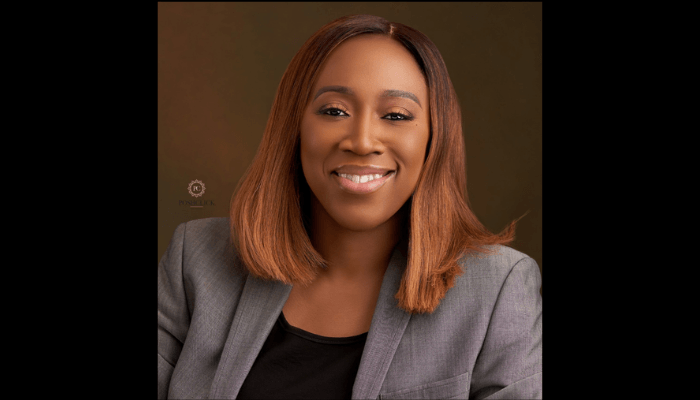
Martins is a Strategic Communications Consultant and Public Speaking Coach based in Lagos, and founder of The TMGrammar Ministry, an accredited corporate communication training practice. She is the architect of The Language of Retail, a commercial systems framework built on the thesis that revenue starts with respect — but must be engineered. She advises founders and executives on strategy, narrative, and commercial architecture.

Join BusinessDay whatsapp Channel, to stay up to date
Open In Whatsapp