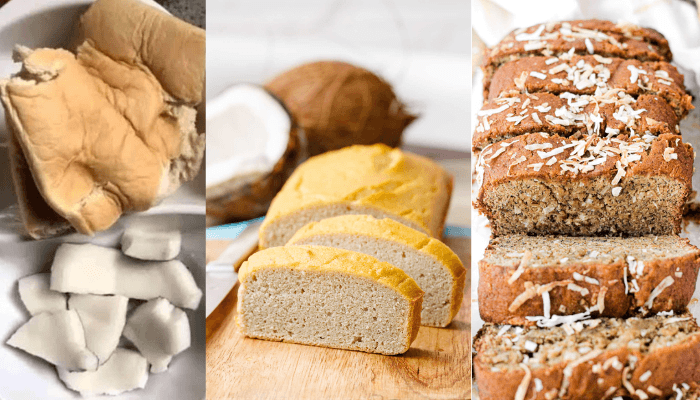
Coconut is a tropical fruit that Nigeria has always relished from time to time.
Apart from breaking the coconut and drinking the water, eating coconut with fresh break has become a way of snacking, especially across many Nigerian communities.
The simple combination of bread and coconut represents far more than a quick meal or an affordable snack. It is a cultural practice passed from one generation to another.
The culinary combo simply reminds many adults about the quick snacks of childhood delight.
These memories of childhood, family gatherings, school days, and communal living across many towns and cities of the nation will always linger.
Bread and coconut have remained a familiar pairing, enjoyed by people from different social and economic backgrounds.
I therefore suggest that the culinary conversations around the cultural preservation of this pair should be able to gain global attention, especially the UNESCO global plate.
This humble food tradition presents an interesting case for recognition as part of humanity’s shared cultural heritage.
Beyond its nutritional value, the bread-and-coconut combination carries deep cultural significance owing to the fact that for decades, it has been a staple of everyday life in Nigeria, particularly among students who simply try to make ends meet, workers who are economical with their meagre spending, traders who sell coconuts and those who sell bread across the country, and of course, families seeking a nourishing and affordable meal.
It is a food practice that transcends geography and class, connecting people through shared experiences and memories.
The nutritional value of fresh coconut provides healthy fats, dietary fibre, and essential minerals such as potassium, magnesium, and iron, while bread contributes carbohydrates that supply energy and support daily activities. Together, they create a balanced and satisfying meal that has sustained generations.
Yet the true value of this combination lies not only in its nutritional benefits but also in its role as a living cultural tradition.
Food is one of the strongest expressions of cultural identity. Across the world, communities preserve unique culinary practices as symbols of their history, values, and way of life. These traditions often become part of what is known as intangible cultural heritage. These include the customs, knowledge, skills, and practices that communities recognise as part of their cultural identity.
The concept of safeguarding such traditions is championed by UNESCO through its Intangible Cultural Heritage programme that recognises living traditions ranging from performing arts and festivals to traditional crafts and culinary practices.
These foods and food-related customs have increasingly gained international recognition because they embody collective knowledge, social interaction, and cultural continuity.
Nigeria possesses a rich culinary heritage that extends beyond famous dishes and ceremonial meals, and so, these everyday food practices, such as the consumption of bread and coconut, tell important stories about our nation, our uniqueness, our food culture, our adaptation, resilience, community, and local food tradition.
All these reflect how Nigerian people have creatively combined readily available ingredients to produce nutritious and meaningful meals like simple coconut and bread.
The possibility of documenting and promoting such food traditions could contribute to broader efforts to preserve Nigeria’s cultural identity.
While inclusion on UNESCO’s Intangible Cultural Heritage List requires a formal nomination process and evidence of cultural significance, community participation, and safeguarding measures, traditions rooted in everyday life deserve attention alongside more prominent cultural expressions.
Bread and coconut symbolise simplicity, accessibility, and shared experience.
The simple snacks remind us that cultural heritage is not limited to grand monuments or elaborate ceremonies.
It is also found in ordinary practices that unite people across generations.
Every bite carries memories of school breaks, family conversations, neighbourhood interactions, and the enduring ingenuity of local food culture.
As Nigeria continues to celebrate and promote its diverse cultural assets, the bread-and-coconut tradition offers an opportunity to reflect on the value of everyday heritage.
Preserving such practices is not merely about food; it is about safeguarding stories, identities, and collective memories for future generations.
In an era of rapidly changing lifestyles and unhealthy eating habits, this enduring combination stands as a testament to the power of simple traditions.
Whether viewed through the lens of nutrition, culture, or heritage preservation, bread and coconut remain a uniquely Nigerian expression of community and continuity, one that deserves recognition, documentation, and perhaps, one day, international applause as a unique Nigerian culinary tradition.

Join BusinessDay whatsapp Channel, to stay up to date
Open In Whatsapp