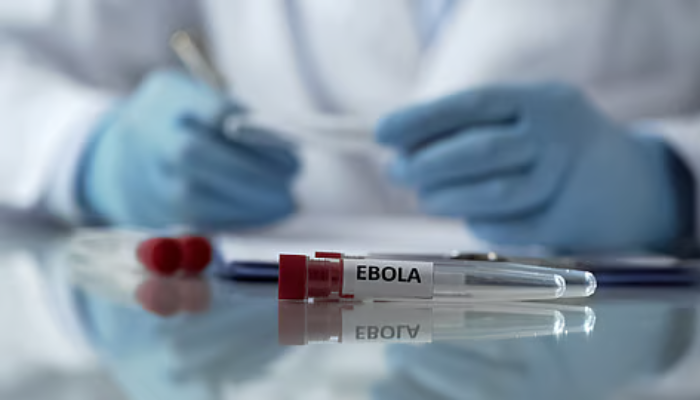
With the increasing fear of the possible spread of the new Ebola outbreak from the Central Africa to Nigeria, it has become necessary for people to get prepared and take proactive measures. It would be recalled that when the COVID-19 pandemic broke out in late 2019 and crippled socio-economic activities in 2020 some members of the same family living together survived it while others fell easy victims. But why? The answer is because of their different levels of the body’s immune system.
That explains why it is necessary to know more about the virus, the symptoms, preventive measures to take and the food items to take to boost one’s immunity.
According to experts in microbiology the new variant is caused by the Bundibugyo virus (scientifically classified as Orthoebolavirus bundibugyoense). While the most common and historically well-known species is the Zaire ebolavirus (often referred to simply as the Ebola virus), this specific epidemic spreading in the Democratic Republic of the Congo (DRC) and Uganda is driven entirely by the Bundibugyo strain.
Though nutritionists state that there are no specific food or diet that can make you immune to or cure the Ebola virus, however, according to organizations like HEPS Uganda, maintaining a highly nutritious, easily digestible diet supports the immune system, white blood cells, and tissue repair during recovery. They also help to manage severe clinical symptoms like fluid loss.
Your body uses and absorbs nutrients more efficiently when they come from whole food sources like fruits and vegetables, rather than processed foods. Amongst the essential foods for immune support against Ebola symptoms are high-quality proteins. These include beans, eggs, beef, and goat meat. They help rebuild damaged body tissues and support white blood cell production. Others are probiotic-rich foods such as yogurt, kefir, and fermented porridges support the gut microbiome, which is critical since Ebola severely damages the gastrointestinal tract.
Read also: FG urged to take action to protect Nigerians against Ebola
It is also necessary to keep your body hydrated.Recommended are vegetable soups, herbal teas, and oral rehydration solutions (ORS).They serve to replenish massive fluid loss from diarrhea and vomiting. Vitamin C and A sources include citrus fruits, such as oranges, lime, lemon, and other fruits such as mangoes, papayas, carrots, and leafy green vegetables (like spinach). They promote wound healing and reduce infection risks.
In addition to these are foods rich in Omega-3 fatty acids: Walnut, Nile perch, tilapia, and avocados help reduce severe systemic inflammation and swelling. Zinc and selenium seeds include groundnuts, pumpkin seeds, and sesame seeds. They supply vital micro-minerals that optimise the body’s natural immune response.
It is vital to understand that Ebola is a highly lethal hemorrhagic fever, leading to the loss of blood. In that regard
dietary measures are purely supportive and cannot substitute for official medical interventions or prevent infection if exposure occurs. The only proven prevention is for you to avoid contact with bodily fluids of infected individuals, dead bodies, or infected animals. You should therefore, seek immediate medical care and receive any approved Ebola vaccine. They are the only ways to prevent death.
Also seek emergency care, that is if you or someone you know shows symptoms such as sudden fever, intense weakness, muscle pain, vomiting, diarrhea, or unexplained bleeding. Try and contact emergency medical services immediately.
Obviously, we currently live in delicate times and one’s lifestyle matters to survival instead of claiming that fruits are expensive or giving excuses for not being observant of what goes on around you, be more sensitive and choose wisely on what you eat. So, let your food be your medicine instead of your medicine becoming your daily food.

Join BusinessDay whatsapp Channel, to stay up to date
Open In Whatsapp