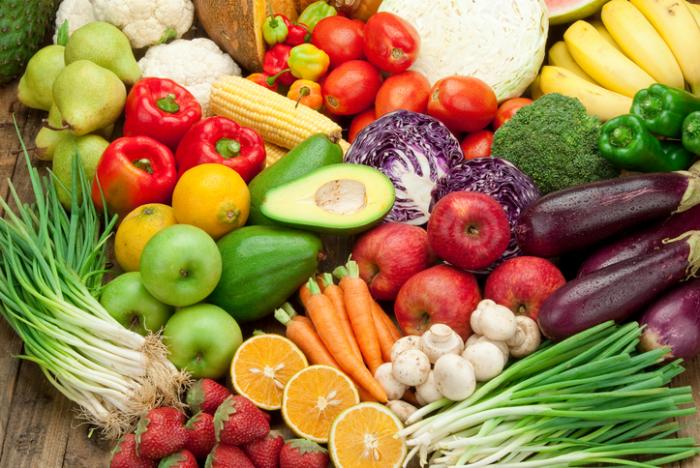
Generally, people who are 50 years old and above are more vulnerable to weakened cells and organs leading to diseases such as heart attack, cognitive decline, muscle weakness and pains as well as bone loss. Unlike the young people, the elderly have a weaker digestion and absorption function, and they may also suffer from chronic diseases. Under these special physical conditions, what kind of fruits should the elderly choose to enhance their health? They therefore, need fruits that are packed full with vital vitamins and magical minerals.
So, focus should be on nutrient-dense fruits with high fibre content and antioxidants to stay healthy and active. These include apples which are an excellent source of soluble fibre (pectin) which reduces bad cholesterol and regulates blood sugar.
Oranges are loaded with Vitamin C and potassium, which help maintain blood vessel health and support a robust immune system. They also supply carotenoids, which protect against age-related macular degeneration.
On their part, pomegranates which are highly recommended by neurologists should be taken because they are rich in polyphenols. Their potent anti-inflammatory effects help protect the brain and promote memory.
Next comes in the berries such as the blueberries and raspberries which are packed with anthocyanins, that prevent cell damage and support cognitive function. On their part, raspberries offer an exceptional amount of fibre to help lower cholesterol and manage blood sugar.
Lest we forget, avocados contain monounsaturated fats that support heart health, manage cholesterol, and help maintain skin elasticity. Explore comprehensive guides on longevity foods and their exact health impacts by checking out the National Council on Aging.
We have to understand that fruit is not just a snack. Fruit is an important source of vitamins and minerals for the human body. According to the Dietary Guidelines for Chinese Residents, adults need to eat 200-350g of fruit every day as an important part of a healthy diet. However, the fruit intake of many elderly people is far below the recommended standard.
For the reason of the weakened digestive function, some elderly people may experience abdominal discomfort after eating fruit, which in turn makes them reluctant to eat fruit. In this case, it is necessary to ensure the freshness of the fruit and no microorganisms or pesticide residues to avoid upsetting their stomach.
Fruit taken from the refrigerator can be soaked in warm water for 5-10 minutes before being served to the elderly. In addition, they can also take some probiotics to regulate the digestive function of the gastrointestinal tract.
One important factor to consider is the failing chewing function of some elderly people makes it hard for them to eat fruit. In this case, they can choose to drink fruit juice, and it is better to use a blender to retain more dietary fibre in fruit.
Factors to consider when choosing fruit for the elderly. Most citrus fruits, such as pomelos and blood oranges, contain furacoumarin, which will slow down the metabolism of antihypertensive medicines in the liver and may lead to hypotension. Therefore, patients who take long-term antihypertensive medications should avoid eating citrus fruits.
Similarly, elderly people suffering from heart disease and edema should reduce intake of watermelon, coconut and other fruits with high water content to avoid aggravating the burden of the heart and edema.
Of significance is that elderly people with diabetes should prioritise low-glycemic fruits, such as oranges, pomelos, plums, peaches, pears and apples, in their fruit choice. At the same time, they should strictly control the intake of fruits, reduce the intake of staple foods and monitor blood sugar.
A look at the healing fruits has become a necessity. According to Harvard Health platform they are nutritional powerhouses packed with vitamins, minerals, and antioxidants. They accelerate recovery, reduce inflammation, and support tissue regeneration. The most critical micronutrients for healing include Vitamin C, Vitamin A, zinc, and potassium, which work together to repair cells and combat free radicals.
A breakdown of key nutrients commonly found in healing fruits and their specific roles includes that of Vitamin C: The “superstar” for wound healing and tissue repair. It is essential for synthesising collagen, a protein required to repair skin, tendons, and blood vessels. It also acts as a potent antioxidant, protecting recovering cells from damage.
They are commonly found in oranges, lemons, kiwis, pineapples, strawberries. Specificallt, Vitamin A is crucial for the initial inflammatory response of a wound and for stimulating new cell growth. It helps ward off infection and keeps your skin and immune system strong.it is found in mangoes, papayas, cantaloupes, apricots.
Vitamin E: is an antioxidant that protects cell membranes from oxidative stress and helps regulate cellular signaling during recovery. Found in avocados and kiwifruit.
Essential Minerals & Electrolytes include zinc. It works hand-in-hand with Vitamin C to synthesize collagen. It plays a crucial role in immune function and cell division, both of which are necessary for tissue regeneration. It is found in: pomegranates, dates, and avocados.
Potassium and Magnesium are important for regulating blood pressure, keeping muscles functioning, and maintaining the body’s fluid balance for optimal circulation. It is found in bananas, dates, and durian.
As for Antioxidants and Bioactive Compounds such as Polyphenols, they are plant compounds that reduce inflammation, prevent oxidative damage, and support overall recovery. They are found in blueberries, raspberries, and dark grapes. Bromelain: A specific enzyme known for its natural anti-inflammatory properties, which helps reduce swelling and bruising after surgery or injury as commonly found in: pineapples.
Above all, with the knowledge of these fruits at your fingertips it is up to you, if you are 50 years plus to choose wisely and in accordance with the age-related diseases including heart attack, decline of mental acuity, muscle and joint pains, bone loss that you may be battling with.

Join BusinessDay whatsapp Channel, to stay up to date
Open In Whatsapp