Considered from the perspective of the factors such as climate change, the resultant seasonal flooding and escalating insecurity bedeviling several states across the country and of course, policy flip-flops on agriculture by successive administrations food insecurity has become a clear and present danger.
In fact, according to the World Food Programmearound 35 million Nigerians are at risk of acute food insecurity. This is driven by soaring inflation, ongoing conflict, as well as climate shocks. This staggering number represents nearly one in seven people nationwide and includes millions of children facing acute malnutrition. That raises the pertinent question of how to navigate the aforementioned challenges for the best farming methods during the rainy season.
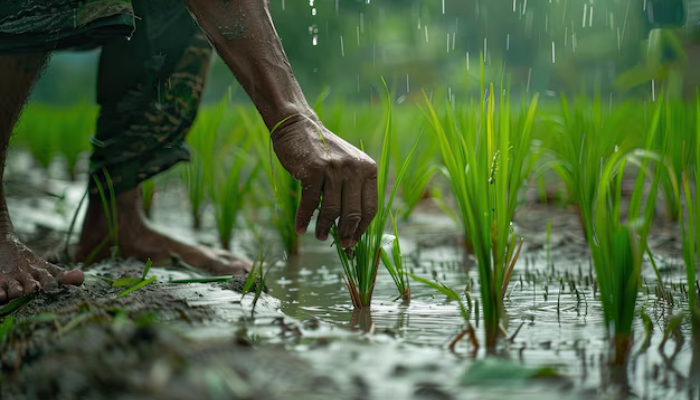
Experts on this special issue advocate that the best farming methods during the rainy season should focus on water and soil management. The main methods and practices include raised bed farming to prevent waterlogging, creating drainage channels to control soil erosion. Others include applying organic mulch to protect the topsoil, and prioritising water-loving crops like rice, maize, and yams.
On the sensitive issues of soil and water management, planting crops on elevated beds or ridges rather than flat ground prevents roots from drowning during heavy downpours.
As for drainage channels, trenches should be dug across sloped fields to guide excess water safely off the farm. This helps prevent soil nutrients from being washed away. Also, if your farm is hilly, create stepped terraces to slow down water runoff and retain fertile topsoil.
Read also: Food Security: 88,000 farmers receive inputs for 2026 rainy season farming across North-Central
During the rainy season there is need for soil conservation and protection. That begins with mulching, It involves the covering of the soil around your crops with dry grass or leaves. This acts as a cushion to stop heavy raindrops from compacting the soil and prevents erosion. Next comes the need to plant low-lying crops or grasses between your main rows. Their roots hold the soil tightly, thereby protecting the earth from gully erosion.
With regards to crop selection and spacing the farmer should choose crops that thrive in high moisture areas such as maize (corn), rice, cassava, yams, and leafy vegetables such as efo, ugu and bitter leaf. But to succeed there should be proper spacing of your plants generously according to recommended guidelines. It has been discovered that overcrowded plants block sunlight and trap high humidity, which accelerates fungal diseases like blight and mold.
It is important to note that pest and disease control during the rainy season is a means to prevent losses. So, stake tall plants like tomatoes, yams, or peppers early. Heavy rains and winds can easily flatten unstaked plants, leaving them vulnerable to rot.
One other step to take is that of organic/integrated pest management. Generally, pests such as snails and slugs and fungal infections thrive in wet, humid environments. It therefore, means that one has to nonitor your crops daily and use organic solutions like neem oil, wood ash, or pepper sprays.
As far as nutrient management is concerned recommended is split fertilizer application: Heavy rain washes away—or leaches—valuable nutrients like nitrogen from the soil. You are advised to apply smaller amounts of fertilizer multiple times throughout the season rather than putting all of it down at once.
The importance of how best to grow crops and secure them during the rainy season is underscored by the piece of advice given by the Nigeria Farmers Forum to fellow farmers on how to go about it during this period.
According to the statement credited to it: “Some people will say you should not plant while some will tell you this is the best time to plant, this statement is both right but we need to look at the context.
“For upland places, this phase is not the best to start planting, wait till late March before planting. But, if you have irrigation structure in place, don’t be scared, enter the storm forcefully.
“But for those without irrigation, this is the best time for land preparation, clear your bush, burn the debris, plough your soil, make ridges of needed and leave the soil for weeds to grow, this season will give you room to reduce weed invasion to the barest minimum.
“For those in the lowland or soils with upper water table, this is the best time to plant crops that are not water loving if you do not want to cry. Plough and plant almost immediately.
“But above all, do not enter the ocean without a lifeguard, prepare your business plan, clearly define your operations plan and your budget, how do you get your labour force and which market structure are you adopting. With this in place and God’s grace, you’re good to go.”
Beyond all these efforts, it has become necessary for the Ministry of Agriculture at the state level to engage Farm Extension Workers to meet directly with the rural farms and enlighten them on the best farming methods to deploy during the rainy season and do so long before the rains begin.

Join BusinessDay whatsapp Channel, to stay up to date
Open In Whatsapp