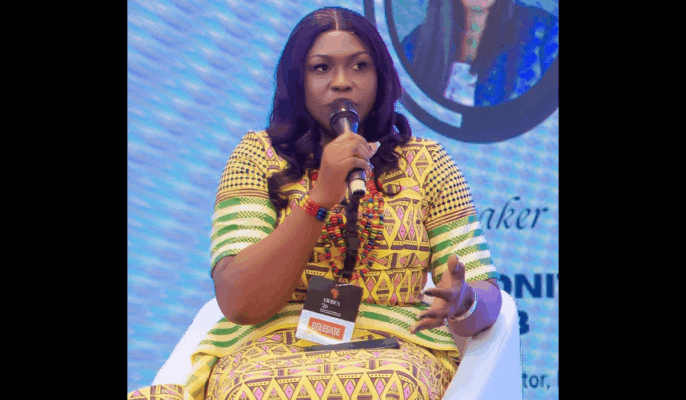
Felicia Tamuno, Institutional Banking Lead at The Alternative Bank, has emphasised the need for stronger female representation, mentorship, and inclusive financial systems to support women across Africa’s banking sector.
Tamuno made the call while speaking at the African Women in Banking and Finance Conference & Awards 2026 held in Lagos under the theme ‘Driving change, inspiring leadership, and shaping the future of women in finance.’
According to her, there is need for more women in executive and board-level positions to mentor younger professionals entering the industry.
“You find a lot of women coming into the banking space, and you already have some women in executive positions in the banks. These young women need those women already at the top to handhold them, to mentor them, to guide them,” she said.
While stating that diversity at leadership and board levels remains critical because representation gives women within institutions a stronger voice and support system, she said: “That’s why we talk about diversity on boards. Because if there are no women in executive leadership and board positions, women will not be represented. They won’t have a voice to speak for them.”
Also, she urged women within the sector to embrace collaboration rather than competition, adding “We are not our enemies. We are a community. We are stronger together”.
To her, stronger mentorship structures and visible female leadership would encourage more women at entry and middle-management levels to aspire to executive positions within financial institutions.
On the other hand, Tamuno called for stronger policy reforms, non-interest banking solutions, and ethical finance models to improve access to finance for women across Africa.
Highlighting how laws and regulations can empower women in African Banking, she said Africa’s financial systems must evolve to reflect the realities of women entrepreneurs and professionals.
To her, many women-led businesses remain excluded from formal financing because traditional lending models still rely heavily on fixed asset collateral, formal property ownership, and long credit histories.
This, she said creates structural barriers for women operating in informal and semi-formal sectors despite their growing contribution to African economies.
Citing data from the World Bank and the African Development Bank’s AFAWA initiative, Tamuno said women in Sub-Saharan Africa account for more than 80 percent of self-employed individuals, yet continue to face a $42 billion financing gap.
Tamuno said regulators and financial institutions must embrace alternative credit models, cash-flow-based lending, and movable asset financing to improve financial inclusion for women-owned businesses.
She also underlined the role of non-interest banking products and ethical finance structures in supporting women entrepreneurs.
“Partnership-based and asset-backed financing models provide stronger opportunities for risk-sharing and can help women-led businesses access capital without the limitations of conventional lending structures”, she added.
Tamuno further stated that digital banking, fintech innovation, and alternative credit assessment systems could significantly expand financial access for underserved women across Africa.
Beyond access to finance, she raised concerns over the leadership gap within African financial institutions, noting that while women remain well represented at entry and middle-management levels, representation drops significantly at executive and board positions across the continent.
She therefore, urged policymakers, regulators, and financial institutions to redesign financial systems in ways that support inclusion, innovation, and long-term economic growth adding “empowering women in finance should be viewed as an economic strategy capable of unlocking broader prosperity across African economies.”

Join BusinessDay whatsapp Channel, to stay up to date
Open In Whatsapp