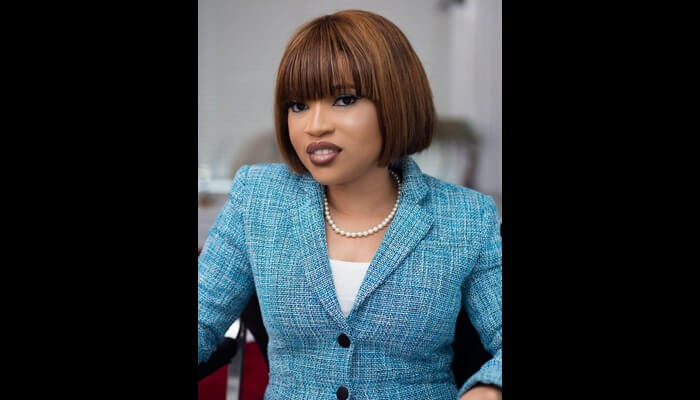
ImpactHER Africa recently hosted an impactful second edition of the Global African Women Sustainability Conference in Abuja. The Founder, Efe Ukala, in a Female Voices exclusive interview with LYDIA ENYIDIYA EKE stressed on the need for African women to move from informal trade to structured global markets. Excerpts:
What was the core objective of the Global African Women Sustainability Conference?
The goal was simple but urgent, to position African women as key players in the global green economy, which is already worth over $5 trillion and growing rapidly.
Why is the green economy important for African women entrepreneurs?
This is because many African women are already practicing sustainability, whether through regenerative agriculture, eco-friendly production, or renewable energy. The challenge is not production; it is access to global markets where these products are valued.
You mentioned market opportunities. How strong is global demand?
Very strong. Consumers are willing to pay nearly 10 percent more for sustainably produced goods. That premium signals a clear opportunity for African women entrepreneurs and we must key into this.
Despite this, many women remain in the informal sector. Why do think it is so?
About 70 percent of informal cross-border trade in Africa is done by women. The issue is not capability but structure. Many lack access to certifications, export licences, and regulatory compliance support.
Can you elaborate on certifications as a barrier?
Yes. Women have the products and the sustainability practices, but they lack the documentation, the ISO certifications, quality assurance, and export approvals. Without these, they cannot access global markets. The standard is universal across board.
How is ImpactHER addressing this gap?
A: Through targeted training and sessions like “Sustainable Business Foundations,” where we focus on standards, certifications, and export readiness. We are helping women move from informal trade to structured global participation.
What role did governments play at the conference?
Ministers from several African countries attended and made commitments to improve access, funding, and policy support for women entrepreneurs.
What is your long-term vision for Africanwomen?
To see African women not just participating in the green economy, but leading it and owning global brands, exporting sustainably, and even shaping Africa’s economic future.

Join BusinessDay whatsapp Channel, to stay up to date
Open In Whatsapp