The 2027 general election is already mired in significant controversy, with debates intensifying over legal reforms, scheduling, and institutional credibility.
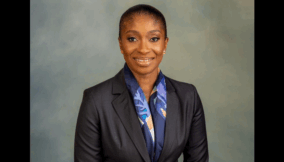
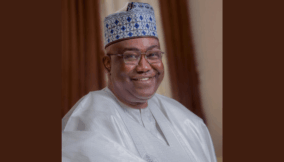
Joash Amupitan, chairman of the Independent National Electoral Commission (INEC), appointed in October 2025, is currently at the centre of the controversy.
He is facing intense scrutiny and calls for resignation from opposition figures and civil society groups over allegations of partisanship.
A major controversy surrounds allegations that an X (formerly Twitter) account linked to Amupitan made partisan comments in support of the All Progressives Congress (APC) and President Bola Ahmed Tinubu, including comments like “Victory is sure,” in a 2023 post that resurfaced in April 2026.
INEC has strongly denied these allegations, describing them as a “coordinated disinformation campaign” and “malicious fabrication”. The commission stated that an independent forensic investigation it commissioned found that the account was a “clear case of impersonation” and that the alleged posts were “technically impossible” because timestamps showed the replies existed before the original tweets.
Despite the forensic report released by INEC, some critics, including opposition parties, remain unconvinced, leading to ongoing calls for his removal and for an independent investigation by security agencies.
The Supreme Council for Sharia in Nigeria (SCSN), has demanded Amupitan’s removal, citing a 2020 legal brief he authored that described conflicts in Northern Nigeria as “Christian genocide,” claiming this makes him partisan and unsuitable for the role.
The African Democratic Congress (ADC) and others have called for his resignation, arguing that the controversy has destroyed public confidence in INEC’s neutrality ahead of the 2027 election.
Amupitan has continued to insist he is neutral, stating that he does not operate any personal X account and has not engaged in partisan political commentary.
The 2026 Electoral Act
The Electoral Act 2026 (an amendment to the 2022 Act) is the current subject of significant controversy in Nigeria. President Tinubu signed the bill into law on February 18, 2026, despite widespread protests and objections from civil society organisations (CSOs) and opposition lawmakers.
Opposition leaders and civil society groups had rejected provisions in the newly signed Electoral Act 2026. Major points of contention include:
Manual Transmission Clause: Section 60(3) reportedly allows INEC to revert to manual result transmission if electronic systems fail, which critics argue invites manipulation.
Mandatory Primaries: Requirements for parties to use direct primaries or consensus have been labeled “anti-democratic” attempts to weaken the opposition.
Trust in INEC: The commission faces a “crisis of confidence” following the 2023 poll. Recent allegations of bias and calls for the INEC Chairman to step aside for an independent probe into “forensic anomalies” in voter registration have further strained public trust.
The Inter-Party Advisory Council (IPAC) has even threatened to boycott the elections unless controversial sections of the legal framework are amended. Critics like former Resident Electoral Commissioner, Mike Igini have warned that these flawed provisions may shift the ultimate decision-making from voters at polling units to judges in courtrooms.
Key controversies
The most heated debate centres on Clause 60, which makes the real-time electronic transmission of results from polling units optional rather than mandatory.
The law permits manual transmission of results using Form EC8A if technical challenges or network failures occur.
Opponents argue this creates a major loophole for result manipulation, particularly in rural areas, and undermines the transparency gained from the Independent Result Viewing (IReV) portal.
Unmarked Ballot Papers (Section 63): New concerns raised in April 2026 highlight a provision that allows a ballot paper without an official mark to be counted at the discretion of a returning officer. Critics like Atiku Abubakar call this a “direct threat to electoral integrity.”
Immunity for Electoral Officers: Critics and former INEC officials have pointed out that Sections 137 and 138 effectively shield presiding and returning officers from being joined in election petitions, making it harder to hold individual officials accountable for misconduct.
Party Primaries (Section 84): The removal of indirect primaries concentrates power within national party leadership, raising fears that popular local candidates could be excluded by party elites in Abuja.
Opposition members and CSOs opposed the Electoral Act, argue that the law “reverses electoral reforms” and encourages rigging by retaining manual fallback options. Why IPAC warned of a potential mass boycott of the 2027 general election if the Act is not urgently revised.
President Tinubu’s alleged manipulative saga:
The question of whether President Bola Ahmed Tinubu is “manipulating” the 2027 electoral process is a subject of intense political debate in Nigeria, with opinions largely split between opposition accusations and government defenses.
Opposition figures and civil society groups have raised concerns regarding the integrity of the upcoming 2027 election especially with Electoral Act 2026 Amendments.
Critics, including former Kaduna State governor, Nasir El-Rufai and Social Democratic Party (SDP) chieftain, Adewole Adebayo, argue that the Electoral Act 2026, signed by Tinubu in February 2026, weakens transparency. Specifically, they allege that making electronic transmission of results optional and relying on manual collation creates “loopholes” for potential fraud.
There are ongoing accusations from groups like HURIWA that President Tinubu has appointed partisan individuals, including alleged APC members, as Resident Electoral Commissioners (RECs) to ensure a favourable outcome in 2027.
Former Governor Aminu Tambuwal and others have alleged that the administration is intentionally working to weaken opposition parties to ease Tinubu’s path to re-election.
Some observers suggest that political maneuvers in key states, such as Rivers State, are part of a broader strategy to “rig the result… even before the first ballot is cast.”
President Tinubu and his supporters have however, strongly denied these allegations, maintaining that the administration is committed to free, fair and credible election.
During the inauguration of new INEC leadership, President Tinubu explicitly charged the commission to “ensure that upcoming elections are free, fair, and credible” and emphasised that “humans still have a significant role to play… computers can’t do everything.”
The APC argues that Tinubu does not need manipulation to win, asserting that his economic and infrastructural reforms will be the primary reason Nigerians vote for him in 2027.
Supporters view the new electoral law as a product of “democracy in action,” reflecting years of consultation and a move toward institutional stability rather than manipulation.
Ultimately, while the opposition warns that the current legal and institutional framework is “ripe for exploitation”, the presidency maintains that these measures are intended to strengthen, not undermine, Nigeria’s democratic resilience.
Notable Nigerians who doubt 2027 general election outcome
While the 2027 general election is still a year away, several notable Nigerians who are not active career politicians, though some may have past political ties, have expressed significant doubts or issued strong warnings regarding its outcome, credibility, or the current political trajectory.
Notable non-politicians and public figures weigh in
Dele Farotimi, a prominent lawyer and activist, has been vocal in verbalising his skepticism, recently stating that “there will be no election in 2027” based on his assessment of Nigeria’s democracy and the current state of the nation.
Bishop Matthew Hassan Kukah: While often appearing in political permutations as a potential “unifying” running mate, the Catholic Bishop of Sokoto remains a critical moral voice. He frequently warns that unless there is genuine justice and a move away from identity politics, future elections may fail to deliver meaningful change for the masses.
Kunle Okunade, a public affairs analyst who argues that early politicking for 2027 is a “failure” when immediate challenges like poverty and hunger remain unaddressed. He suggests that the focus on the next election cycle is out of touch with the hardships currently faced by Nigerians.
Salihu Lukman, although a former APC official, he now acts as a critic and strategist. He warns that the 2027 election will not be an “easy feat” for any party because Nigerians have grown weary of rhetoric that does not translate into action, expressing doubt that simple promises will win over a disillusioned electorate this time around.
Hakeem Baba-Ahmed, a former political adviser and spokesperson, has expressed skepticism about the efficacy of current political alignments, identifying several major figures who he believes should not even contest in 2027 to allow for fresh leadership.
Amupitan distances self
During his Senate screening, Amupitan specifically denied speculations that he was part of the legal team that represented President Tinubu at the 2023 Presidential Election Petitions Court, stating, “I never appeared before the Presidential Election Tribunal or the Supreme Court for any of the parties.”
President Bola Tinubu nominated Amupitan in October 2025 to succeed Professor Mahmood Yakubu. The nomination was described by the presidency as “apolitical.”
Despite his denials and academic background, some political stakeholders and religious groups like the Supreme Council for Shari’ah in Nigeria, have raised concerns about his potential bias, citing past comments and requesting his removal in early 2026.
Others, such as the Pentecostal Fellowship of Nigeria (PFN), have rejected calls for his removal, stating that expressing personal opinions does not necessarily imply bias in his public office role.
While Amupitan was President Tinubu’s choice to lead INEC, which naturally brought allegations of political affiliation, there is no definitive, public evidence confirming him as a “presidential mole”. He has pledged to lead a transparent and independent INEC.

Join BusinessDay whatsapp Channel, to stay up to date
Open In Whatsapp