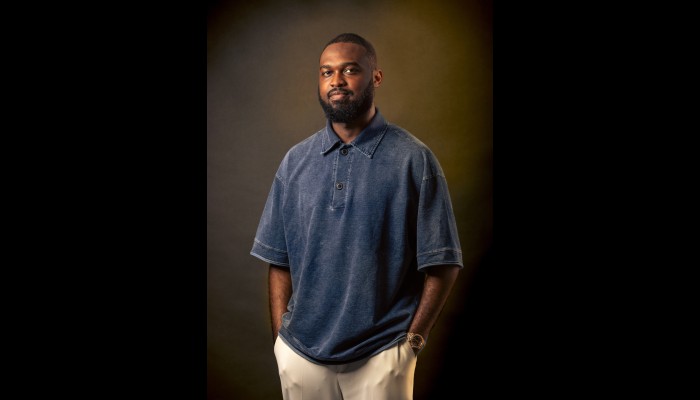
At a time when the size of funding rounds often measures startup success, Usman Balogun believes the more important question is whether a business can create lasting value. As Co-Founder and former Chief Financial Officer of Cardtonic, he helped scale the company from a modest N5 million operation into one of Africa’s leading digital asset marketplaces, processing over N100 billion in transactions before taking institutional capital.
In this interview with BusinessDay, Balogun reflects on capital-efficient growth, expanding across borders, the discipline behind sustainable businesses, and why venture capital should accelerate execution, not validate it. Excerpts.
Looking back, what principles shaped Cardtonic’s early journey from a N5 million startup into a business processing over N100 billion in transactions?
When we started Cardtonic, we knew we didn’t have the luxury of abundant capital, so every decision had to be intentional. We focused less on raising money and more on solving a real problem consistently.
The discipline of operating with limited resources forced us to build a business where revenue funded growth. Every expense had to improve the customer experience, strengthen operations, or support sustainable expansion. We learned very early that cash flow is not simply a financial metric; it is the lifeblood of a business.
That mindset became part of our culture. We grew steadily because we built around customer trust, operational efficiency, and financial discipline rather than chasing growth for its own sake.
Many startups prioritise fundraising early. Why did Cardtonic choose a different path?
We never saw fundraising as the first milestone. We saw customers as our first investors.
If customers consistently choose your product and pay for it, they validate your business model in a way no investor can. That gave us the confidence to focus on building rather than pitching.
Bootstrapping also gave us freedom. We could make long-term decisions without feeling pressured to optimise for the next funding announcement. We built the company around sustainability instead of valuation.
That doesn’t mean venture capital is unimportant. It simply means capital should support a proven business, not substitute for one.
As CFO, what did it take to build a self-sustaining financial model?
Financial discipline goes beyond controlling costs. It is about allocating resources where they create the greatest impact.
We monitored cash flow constantly, built operational buffers, and ensured that growth never outpaced our ability to support it. Every investment had to contribute to better products, stronger infrastructure, or improved customer experience.
As the business grew, we maintained the same philosophy. Scale should strengthen fundamentals, not weaken them.
You led Cardtonic’s expansion into Ghana in 2020. What made that move strategically important?
Expanding into Ghana was about more than entering a new market. It was about proving that our operating model could work across borders.
Cross-border expansion comes with challenges, particularly around treasury management, local banking systems, regulation, and liquidity. We had to build financial structures that allowed us to operate efficiently while adapting to local realities.
That experience reinforced an important lesson: successful expansion requires understanding local markets rather than simply exporting existing processes.
Cardtonic eventually processed more than N100 billion in transaction volume.
What did that milestone represent to you?
The figure itself was significant, but what mattered more was what it represented.
Every transaction reflected customer confidence. Growth at that scale only happens when people trust your platform enough to return repeatedly.
It also demonstrated that disciplined execution can produce extraordinary outcomes without relying on excessive capital. Sustainable businesses are built one satisfied customer at a time.
You later helped structure the $2.1 million seed round for Pil. How did your perspective on fundraising evolve?
By the time we raised institutional capital, the conversation was very different.
We weren’t raising money to discover whether the business could work. We had already demonstrated product-market fit, operational discipline, and a clear opportunity.
The funding allowed us to accelerate rather than experiment. That is how I believe venture capital creates the greatest value. It should amplify proven execution, not compensate for its absence.
Today you lead Breet, where you’ve focused on regulated digital payment infrastructure. How has your approach to leadership evolved?
Leadership has become less about managing operations and more about building resilient systems.
At Breet, we’re solving complex problems around cross-border payments, compliance, and customer trust. Those challenges require long-term thinking.
Technology changes quickly, but trust compounds over time. The strongest financial institutions are the ones that combine innovation with governance and reliability.
Many founders chase rapid growth. How do you define sustainable success?
Growth is important, but healthy growth is even more important.
Revenue, customer retention, operational excellence, and sound governance are stronger indicators of long-term success than valuation headlines.
Businesses that survive difficult markets usually have disciplined cultures. They understand their numbers, invest carefully, and remain focused on solving customer problems.
That’s the difference between building momentum and building an institution.
What advice would you give entrepreneurs building businesses in today’s economic environment?
Build for resilience before scale.
Focus on creating value that customers are willing to pay for. Understand your unit economics, protect your cash flow, and avoid confusing fundraising with success.
There will always be pressure to grow faster, but businesses built on strong fundamentals are better positioned to survive uncertainty and seize opportunities when they come.
In the end, investors fund businesses. Customers sustain them. Never lose sight of that distinction.

Join BusinessDay whatsapp Channel, to stay up to date
Open In Whatsapp