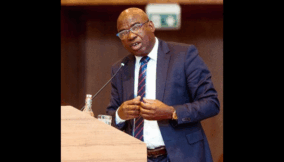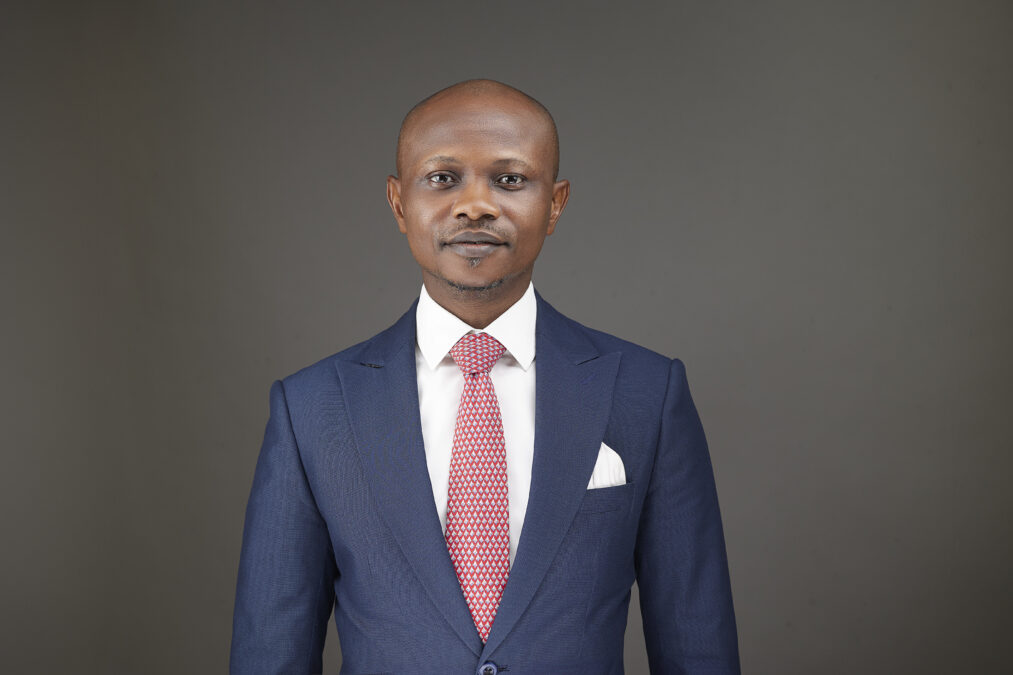
In a move poised to reshape financing for Nigeria’s booming creative and digital economy, Partner at The New Practice (TNP), Samuel Esuga, has unpacked the Intellectual Property Securitisation Framework, describing it as a critical intervention that could finally allow musicians, filmmakers, software developers, and tech entrepreneurs to leverage their intangible assets for capital.
BusinessDay sat down with Esuga to discuss the Framework’s potential, the financing gaps it seeks to close, and what stakeholders must do to harness its opportunities.
Esuga, can you explain the Intellectual Property Securitisation Framework in simple terms and why it could be a game-changer for Nigeria?
“The Framework provides clear guidelines for unlocking financing opportunities for creatives, innovators, and businesses by using their intellectual property, such as music catalogues, films, software, trademarks, patents, and other intangible assets, as the basis for securing finance,” Esuga explained.
He noted that the initiative is designed to shift the paradigm from traditional reliance on tangible collateral like land and buildings to a more modern, asset-light approach suited to the knowledge economy. “It will promote funding opportunities for innovators and creatives, reduce dependence on conventional asset-backed financing, and ultimately support both micro and macroeconomic growth in Nigeria.”
What specific market failure is this Framework addressing, and why is the timing right?
Esuga highlighted a persistent financing gap that has held back Nigeria’s most innovative sectors. Many businesses and individuals in the creative and digital spaces own valuable IP assets, copyrights, trademarks, patents, software, music catalogues, film rights, and licensing revenues, yet struggle to access capital because banks and traditional lenders demand physical collateral.
“Despite owning assets with substantial commercial value, high-growth businesses in these sectors remain chronically underfunded,” he said. The Framework aims to bridge this divide by establishing structured mechanisms for recognising, valuing, and leveraging IP as viable collateral for raising finance. With Nigeria’s creative industry already contributing significantly to GDP and digital transformation accelerating, the need for such a framework has become urgent.
How exactly will musicians, filmmakers, software developers, content creators, and tech startups benefit?
Under the Framework, creatives can securitise future royalty streams or revenues from licensing, distribution, streaming, publishing, and other commercial activities. This could involve assigning royalty receivables or creating security interests over them
For tech businesses, the opportunities are equally compelling. “They may licence their software, create charges over recurring revenues from subscription services, or receivables from technology transfer arrangements,” Esuga noted. Crucially, the Framework seeks to standardise valuation methodologies, making IP assets more acceptable and bankable for financiers.
What types of IP assets will qualify, and how will their value be assessed?
The Framework is expected to cover a wide spectrum of assets capable of generating identifiable and predictable revenue streams. These include copyrights in music, films, literary works, software, and digital content; trademarks; patents; licensing rights; and other exploitable IP.
Valuation remains a critical pillar. Esuga acknowledged challenges in Nigeria, including limited local expertise. “The Framework recommends adoption of recognised valuation standards and methodologies. We also need to develop local standards and build capacity through training qualified IP valuation professionals.”
Banks and investors have historically been wary of intangible assets. How does the Framework mitigate these risks?
Esuga emphasised that the Framework introduces a robust legal, regulatory, and operational architecture. It offers guidance on the creation, perfection, priority, and enforcement of interests in IP assets and associated receivables, providing investors with greater certainty and remedies in case of default.
It also promotes collaboration among government agencies to build interoperable systems for verifying ownership, identifying encumbrances, and conducting thorough due diligence. “The Framework further addresses concerns around enforcement and recovery, treating IP assets as reliable security,” he added.
Are existing laws sufficient, or are major reforms needed?
While Nigerian law recognises IP ownership through various statutes, there is currently no explicit provision for IP securitisation. The Secured Transactions in Movable Assets Act (STMAA) 2017 broadly recognises intangible assets as collateral, potentially including IP, but lacks detailed operational guidance on valuation, registration, and integration with IP registries.
“The Framework proposes necessary amendments to close these gaps,” Esuga stated. Beyond legislation, developing interoperable registration systems and robust valuation standards will be essential for practical implementation.
What roles will key institutions like the CBN, SEC, Bank of Industry, and IP registries play?
Successful rollout will demand coordinated effort. The Central Bank of Nigeria (CBN), as the apex regulator of the banking system, is expected to issue guidelines and prudential standards that encourage IP-backed lending and integrate with the National Collateral Registry under STMAA.
The Securities and Exchange Commission (SEC) will play a pivotal role in regulating IP securitisation transactions within the capital markets. IP registries will be instrumental in creating systems that allow investors to verify ownership and encumbrances efficiently.
“Collaboration across these institutions is key to building lender confidence and ensuring safe, effective use of IP as collateral,” Esuga said.
What broader economic impact could this have?
Improved access to capital is expected to catalyse scaling, innovation, market expansion, and commercialisation of IP. This should foster business growth, spur new enterprise creation, and generate employment across creative, technology, and innovation ecosystems.
The ripple effects could extend to increased export earnings from Nigerian content, greater foreign investment inflows, and stronger contributions to national GDP from the creative and digital sectors.
What are the next steps for implementation, and how should creatives and innovators prepare?
Esuga outlined ongoing engagements with regulators, government agencies, financial institutions, and industry players to finalise legal, regulatory, and institutional structures. This includes developing valuation standards, registration mechanisms, pilot programmes, and capacity building initiatives.
For creatives, innovators, and IP owners, preparation is vital. “They should ensure their IP is properly protected and registered, maintain clear records of ownership, and keep detailed documentation of revenues generated from their assets. These records will be critical for valuation and successful securitisation.”
If implemented successfully, how much capital could this unlock over the next five to ten years?
Quantifying the exact figure remains challenging at this early stage, but Esuga is optimistic. “The potential is significant, given the size and growth trajectory of Nigeria’s creative and digital economy. The immediate priority is putting in place the necessary legal, regulatory, and institutional foundations.”
He stressed that milestones to watch include the issuance of supporting guidelines by the CBN and SEC, the establishment of interoperable registries, successful pilot transactions, and the emergence of a vibrant local IP valuation ecosystem.
As Nigeria seeks to diversify its economy beyond oil and harness the full potential of its youthful, creative population, the IP Securitisation Framework represents a bold and timely step. If executed effectively, it could transform intangible ideas and talents into tangible wealth, positioning the country as a leader in the global knowledge economy.

Join BusinessDay whatsapp Channel, to stay up to date
Open In Whatsapp