Nigeria’s food inflation index has hit its highest level since 2009 as prices of food items continued on an upward trajectory across the country, data from obtained the National Bureau of Statistics (NBS) state.
Despite Nigeria’s headline inflation rate declining marginally by 0.5 percent to 16.05 in July from 16.1 recorded in June, Nigeria’s food index increased year-on-year to 20.28 percent in July, up 0.37 percent points from 19.91 percent, the rate recorded in June, the national bureau states.
“This represents the highest year -on -year increase in food inflation since the beginning of the new series in 2009,” said the report.
“The rise in the index was caused by increases in prices of bread and cereals, meat, fish, oils and fats, coffee, tea and cocoa, potatoes yam and other tubers and vegetables,” the report added.
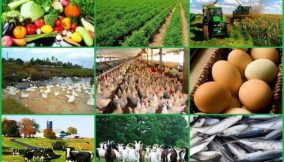
Experts have attributed the high cost of farm inputs as basically responsible for rising food prices, making it increasingly hard for Nigerian households to buy tomatoes, rice, beans and other staple foods.
Also input prices ranging from improved seeds, fertilizers and poultry feeds are high as a result of dollar crisis in the last 18 months, debts owed fertilizer suppliers and shortage of quality seeds.
“We are still not producing enough to start affecting food prices. It will take a while to grow the capacity we need to bring down prices. We need to improve our number of hectares, start farming all-year round before our food prices can be at par with imported varieties or even cheaper. We also need to increase our investments in the agricultural sector,” Sani Dangote, president, Nigeria Agribusiness Group (NABG) and vice president, Dangote Industries Limited, told BusinessDay.

Join BusinessDay whatsapp Channel, to stay up to date
Open In Whatsapp