The Federal Government, Tuesday reversed a policy on university admission taken by the Joint Admissions and Matriculation Board (JAMB) .
JAMB, had at its 2015 Combined Policy Meeting adopted a new policy, which will see candidates on surplus list of universities redistributed to institutions other than that chosen as their first or second choice institutions. Crisis had sparked off at one of the Universities, when candidates were they would only be allowed to sit for the post UTME exams if their names were officially forwarded by the JAMB office.
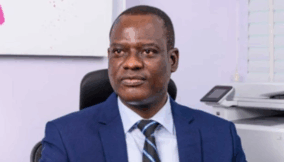
Emerging from President Muhammadu Buhari’s office after a briefing on the activities of the education ministry, the Permanent Secretary, MacJohn Nwaobiala, told journalists that a new decision had been reached that students who made the cut off marks should proceed to the school of their first choice to write their Post-UTME examination.
“This JAMB thing has been there. As the policy making body, when these issues were raised, they raised in a stakeholders meeting. We normally have what we call the policy meeting. Everything about admission are discussed with parents and other stakeholders at the meeting.
“These are decisions that we collectively took. However, we have a listening ear. We have taken a lot of the issues raised into consideration and we are consulting to see the adjustments we can make here and there.

“The directive has been given. All the students that made the cut off marks have been told to go and write post-UTME examinations in their schools of first choice. After, they can go to their schools of second choice. That has been the bone of contention” he said.
On the threat by the West African Examinations Council to withhold the results of candidates in 19 states who wrote the May/June 2015 WASSCE following examination fees owed by the state governments, Nwaobiala appealed to states to live up to expectation and keep their promises.
“The Head of WAEC has briefed me about it. It is so sad. States pledged to pay on behalf of these students and WAEC took them on based on the pledge.
“Now when it comes to the time to pay, it becomes a challenge.
“We will appeal to the states to see this as very important. A promise to a child is very important and it must be implemented,” he said.
President Buhari was displeased by the inability of some state governments to pay teachers salaries for months, observing that the trend was not good for the sector, Nwaobiala said.
“The President raised the issue of non-payment of teachers’ salaries in some states. He felt it is something that is very unfair. Do you prefer your people to be ignorant?
“Some teachers have not been paid for six months in some states, some have not been paid for one year. The President felt very concerned about that,” he added.
The President, he said also expressed concern over the poor rating of Nigerian universities among their peers around the world, but was told some of the ratings had been misinterpreted.
Nwaobiala however noted that one major challenge facing the ministry was the return of school children displaced by terrorist activities in the country as well as getting more children enrolled in school.
Elizabeth Archibong

Join BusinessDay whatsapp Channel, to stay up to date
Open In Whatsapp