Nigeria may be on the verge of a quiet revolution that could see the end of one of the world’s most wasteful subsidy regime in matter of days analysts say.
In a first leg to scraping the petroleum subsidy programme which it can no longer afford, Nigeria is to cut the price of PMS to N87 a litre from January 1, 2016 after adjusting the notorious pricing template used to measure how much subsidy the government pays fuel importers.
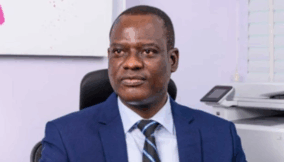
The hint of this came yesterday from Petroleum Minister of State Emmanuel Kachikwu.
Widespread fraud and corruption and declining oil revenue have made it imperative for the government to cancel the subsidies, Kachikwu who is also the group managing director of state-owned Nigerian National Petroleum Corp., told reporters while on a visit to a refinery in the country’s southern oil hub of Port Harcourton Friday, according to a statement sent by the petroleum ministry.
Nigeria, Africa’s biggest oil producer, relies on fuel imports to meet domestic needs since its refineries produce a fraction of their 445,000 barrels-per-day capacity after decades of poor maintenance, corruption and mismanagement. The refinery in Port Harcourt will begin production next week after repairs are completed, according to Kachikwu.
To keep the country supplied, the NNPC, as the state oil company is known, has relied on imports by other fuel retailers, who get refunded the difference between their costs and the fixed pump prices. It also has agreements with several offshore refiners to swap refined products for crude.
While tumbling oil prices have slashed Nigeria’s revenue and roiled its currency and stock market, it’s also provided an opportunity for the government to end the subsidies that cost as much as $7 billion a year. The finance ministry said last year that $60 per barrel was the break-even point at which there is no more need to subsidize fuel costs.
An attempt by the previous government to end them in 2011 led to a week of strikes and protests across the country, forcing their partial reinstatement.
President Muhammadu Buhari, who took office in May, had continued the subsidies which -at over 1 trillion naira – accounted for almost a quarter of the 2015 budget.

Join BusinessDay whatsapp Channel, to stay up to date
Open In Whatsapp