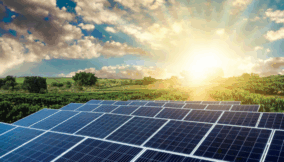
In a country where over 90 million people lack reliable electricity, solar energy is becoming more than just an alternative—it’s a lifeline.
For small business owners, middle-class families, and even large corporations, the unreliability of Nigeria’s national grid has made solar power not j
```
Members Only
Login or create an account to continue
This article is available to registered BusinessDay readers. Please login if you already have an account, or create a new account to continue reading.
New to BusinessDay? Register now and start reading.
```
Oladehinde Oladipo
Dipo Oladehinde is a skilled energy analyst with experience across Nigeria's energy sector alongside relevant know-how about Nigeria’s macro economy.
He provides a blend of market intelligence, financial analysis, industry insight, micro and macro-level analysis of a wide range of local and international issues as well as informed technical rudiments for policy-making and private directions.