The Federal Government has directed regulatory and security agencies to clamp down on the diversion, hoarding and illegal storage of Liquefied Petroleum Gas (LPG) as part of measures to stabilise prices and ensure adequate supply across the country.
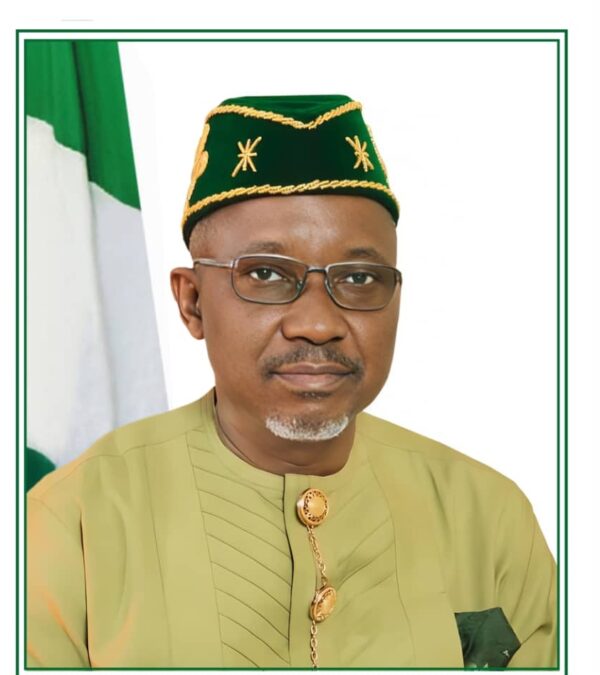
Ekperikpe Ekpo, Minister of State Petroleum Resources (Gas) , gave the directive on Monday in Abuja during an emergency stakeholder engagement convened to develop coordinated solutions to the recent increase in cooking gas prices.
Describing the rising cost of LPG as a matter of national concern with significant implications for households, small businesses and economic stability, Ekpo said the Federal Government remained committed to easing the burden on Nigerians.
He directed the Nigerian Midstream and Downstream Petroleum Regulatory Authority (NMDPRA) to strengthen market oversight, develop a robust pricing framework to guide the market, and sanction operators engaged in practices that distort the market.
Ekpo also urged the NMDPRA to collaborate with the Department of State Services (DSS), the Economic and Financial Crimes Commission (EFCC) and the Nigeria Police Force to support enforcement efforts, eliminate artificial scarcity and ensure the uninterrupted movement of LPG across the country.
“We have directed the NMDPRA to intensify monitoring, engage operators and work with security agencies to discourage hoarding, eliminate artificial scarcity, and strengthen transparency in distribution and pricing,” he said.
On supply, Ekpo said marketers had indicated their readiness to increase imports, while anticipated deliveries from new domestic facilities, including the Seplat gas facility, were expected to boost supply in the coming weeks.
The Government is also exploring a local blending initiative involving Nigeria LNG Limited, domestic producers and depot owners, aimed at improving supply, reducing dependence on imports and supporting greater price stability.
“There is no cause for panic. The Government remains committed to ensuring adequate domestic gas supply and to advancing the Decade of Gas Initiative as a pathway to cleaner cooking, industrial growth and energy security,” he said.
In his remarks, Rabiu Umar, Authority Chief Executive of the Nigerian Midstream Downstream Petroleum Regulatory Authority (NMDPRA) explained that challenges including: inadequate LPG infrastructure for distribution, domestic supply gap created by incomplete domestication of local production, charging of non-cost reflective prices by LPG wholesalers and retailers as well as global supply disruptions and price volatilities, due to US/Isreal-Iran war in the middle east has impacted the pricing and supply of LPG in Nigeria.
The Authority chief executive, who said that the Authority will ramp up issuance of import permits and follow up issued permits on performance, stressed that import represents the only immediate option for filling the gap created in supply, aside of the prospect of MT supply from Anoh.
The Authority also hope to inject LPG export volume into the domestic market through enforcement of ban on exportation of LPG products.
There are also plans to end Chevron’s exportation of LPG and secure volume into the domestic market, as Umar emphasized that local blending capacity has been enhanced to manage chevron’s volume.
He explained that the immediate and medium term measures to boost availability of LPG in Nigeria include: “End Chevron Export and secure volume into the domestic market. Local blending capacity is enhanced over the last two years to manage chevron volume.
“Audit of offtakers engaged in the lifting of NLNG, NPPC volumes to ensure more effective product distribution and pricing efficiency. A situation where key downstream players with comprehensive LPG storage and distribution logistics on ground require immediate action.
“Intensify monitoring and enforcement in supply and distribution, engage relevant agencies to facilitate access to foreign exchange for critical LPG imports where