The traditional approach to academic and career guidance in Nigerian secondary schools is coming under increasing strain as shifts in the global job market, rapid automation and changing workplace expectations expose long-standing weaknesses in subject-to-career pathways.
For decades, students have been channelled into familiar routes such as science for medicine, arts for law, and commerce for business. But educators now argue that this framework no longer reflects how modern careers are formed or how work itself is evolving.
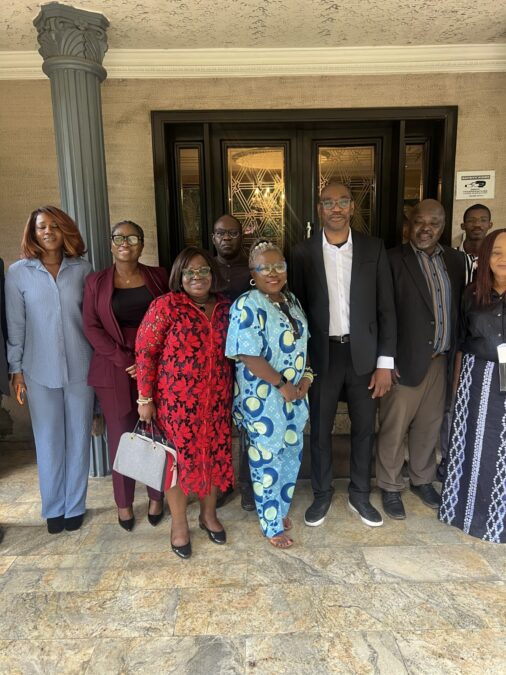
At a recent session, education leaders from more than 20 secondary schools joined policymakers, workforce experts and youth development professionals to discuss how artificial intelligence (AI) could help close these gaps in career guidance.
Speaking at the session, Tosin Okojie, education entrepreneur and founder of MyGeecs, a career navigation platform said the core problem lies in how career decisions are currently made. “The consensus has always been that students are making life-altering choices based on superficial indicators, while parents are navigating a rapidly changing economic landscape using outdated assumptions,” he said.
Okojie argued that the pace of technological change is also reshaping what success looks like in the workplace, making early and more informed guidance essential. “What it takes to be a good accountant or lawyer today is vastly different from five years from now,” he said. “In five years, artificial intelligence will handle that, making the role about creativity, negotiation, and human interaction.”
From his perspective, this shift means students can no longer afford to make fixed career decisions based on outdated job definitions. Instead, he said guidance systems must prepare young people for roles that are still evolving.
Read also: Education as an ESG investment
Other education stakeholders at the event echoed concerns about the gaps in how students currently make academic and career choices.
Dr. Chinedu Oluwadamilola, an education consultant and former principal of Corona Secondary School, Agbara, said many students are making important decisions without proper grounding. “They often make decisions without any real basis… it has absolutely nothing to do with what they are actually good at,” she said.
She also pointed to the influence of peer groups and informal preferences in shaping subject choices, which can later affect academic performance and long-term outcomes.
Similarly, Eniola Ogunlade, managing director of Seaside Schools, Agbara, highlighted the widening information gap affecting both students and parents. She said many decisions are made without sufficient understanding of a child’s abilities or long-term needs.
Ogunlade stressed the importance of approaches that go beyond exam results alone. “Everything that helps to develop the character and personality of the child… helps them understand more about themselves as humans,” she said.
Read also:KolaDaisi University to host inaugural career fair, strengthens talent-to-industry pipeline
Building on these concerns, Okojie said artificial intelligence tools could help address what he described as “deep information gaps” in education by combining psychometric assessment with data-driven analysis of student strengths and interests.
He said this is particularly important because many students still prioritise prestige over personal fit when choosing careers. “People tend to be either a surgeon or a general practitioner, and the truth is, people can succeed in either,” he said. “However, someone who prefers home-cooking and introversion would more likely enjoy being a surgeon.”
He added that different professions often align closely with personality traits. “Conversely, a general practitioner must meet and talk with 200 different people every day… it is a part of their personality,” he said.
Okojie argued that bringing together personality profiling, academic performance and personal values could help students make more informed and realistic career decisions. “AI can help research available scholarships globally. Imagine that sort of power in the hands of every one of your students to help them make the right decisions,” he said.
He also cautioned against the consequences of poor alignment between students and chosen careers, citing cases where individuals abandon courses after years of study due to external pressure. “It is not about who is right or wrong; it is about what is right for the child,” he said.

Join BusinessDay whatsapp Channel, to stay up to date
Open In Whatsapp