…targets 30 million pupils, 500,000 teachers
The Federal Government has launched a $552.18 million World Bank-backed education programme aimed at improving learning outcomes for nearly 30 million Nigerian children, strengthening the capacity of 500,000 public primary school teachers and enhancing education delivery in more than 65,000 public primary schools across the country.
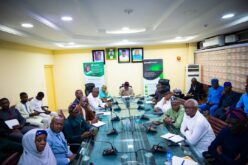
According to a statement on the ministry’s X handle, the initiative, known as the HOPE-EDU Programme, was unveiled in Abuja as part of the implementation of five flagship programmes under President Bola Ahmed Tinubu’s Renewed Hope Agenda, designed to accelerate human capital development, reduce poverty, improve healthcare, strengthen governance and expand economic opportunities.
Speaking at the launch, Maruf Tunji Alausa, Minister of Education, described education as the cornerstone of the Tinubu administration’s development agenda and the country’s most strategic investment for sustainable economic growth.
He said the HOPE-EDU Programme represents a transformative investment jointly funded by the World Bank and the Global Partnership for Education (GPE), with a total financing package of approximately $552.18 million.
According to the minister, the programme will directly benefit nearly 30 million children while supporting the professional development of 500,000 public primary school teachers across the country.
He added that the intervention will improve teaching and learning in more than 65,000 public primary schools across the 36 states and the Federal Capital Territory through investments in foundational literacy, numeracy and education management systems.
Alausa explained that the programme will operate under a results-based financing model aimed at improving accountability, strengthening service delivery and ensuring measurable outcomes in the basic education sector.
He reaffirmed that education remains central to President Tinubu’s Renewed Hope Agenda, noting that sustained investment in human capital is critical to reducing poverty, boosting productivity and driving long-term economic development.
The minister said the Federal Ministry of Education will provide policy leadership, coordinate implementation and ensure effective oversight of the programme in collaboration with development partners and state governments.
According to him, the successful implementation of the HOPE-EDU Programme will strengthen Nigeria’s education system by improving learning outcomes, enhancing teacher quality and expanding access to quality basic education for millions of children.
The Federal Government said the programme forms part of a broader package of five World Bank-supported flagship initiatives aimed at accelerating human capital development and laying the foundation for inclusive and sustainable national development.

Join BusinessDay whatsapp Channel, to stay up to date
Open In Whatsapp