Across Nigeria today, survival has become a daily pursuit. Families that once depended on a single income now rely on multiple jobs, side businesses, freelance work, and informal ventures to maintain a standard of living that was once achievable. Parents cut household expenses. Young professionals work longer hours. Small business owners constantly adjust to changing realities. What was once financial planning has increasingly become economic survival.
The experiences of Nigerian households reveal a deeper challenge within the economy. They show resilience and creativity, but they also expose a difficult reality: many Nigerians are working harder yet struggling to make meaningful progress.
At the centre of this challenge is the growing gap between income and the cost of living. Food prices, transportation costs, rent, healthcare, education, electricity, and communication expenses continue to place pressure on household budgets. Although some incomes have increased, inflation has reduced purchasing power, leaving many families with fewer resources to meet their needs.
This has changed the structure of the Nigerian family economy. The idea that one income earner can comfortably support a household is becoming less common. Today, survival often depends on multiple sources of income. Civil servants run small businesses. Teachers offer private lessons. Professionals take consulting jobs. Students provide digital services. Across the country, households are turning every available skill and opportunity into a source of income.
The growth of side hustles and informal businesses is often presented as evidence of Nigerian entrepreneurship. While that reflects the creativity of citizens, it also reveals a troubling reality. Entrepreneurship thrives when people pursue opportunities for growth and innovation. It becomes a concern when people are forced into additional income activities because their primary earnings can no longer support basic living.
A strong economy should allow citizens to build wealth through productive work, investment, and enterprise. When people must constantly search for extra income simply to survive, it raises questions about wages, job quality, productivity, and economic inclusion.
This challenge is particularly visible in the declining strength of Nigeria’s middle class. Families that once enjoyed financial stability are increasingly making difficult choices. Savings are being used for daily expenses. Major purchases are delayed. Education and healthcare decisions are increasingly shaped by affordability rather than preference. The weakening of the middle class should concern policymakers because a stable middle class supports consumption, investment, entrepreneurship, and economic confidence.
Women have become central to household survival. Across Nigeria, many women contribute significantly to family income through businesses, agriculture, professional services, trading, and digital enterprises. Their increasing economic participation reflects both determination and the need for households to mobilise every available resource.
Technology has also become an important economic tool. Digital platforms and financial technology services have expanded access to payments, savings, investment opportunities, and entrepreneurship. For many Nigerians, technology has created new ways to earn and participate in the economy.
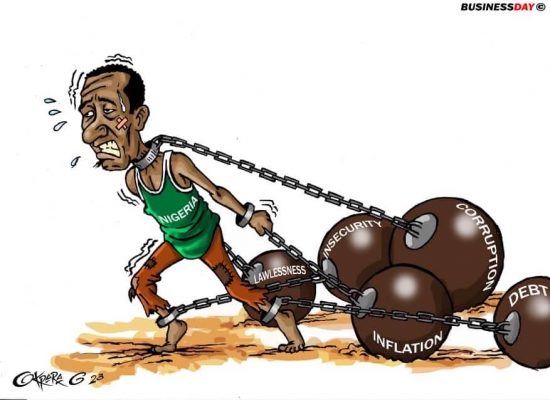
However, resilience should not become a substitute for effective economic management. The ability of Nigerians to adapt deserves recognition, but citizens should not be expected to carry the burden of structural economic challenges indefinitely. A nation cannot build sustainable prosperity by relying on constant sacrifice from its people.
The deeper question is why survival has become such a demanding responsibility.
Part of the answer lies in the gap between economic policies and household realities. Governments often highlight reforms, investment, revenue growth, and fiscal adjustments as signs of progress. These indicators matter, but citizens judge the economy through everyday experiences: the price of food, access to jobs, business opportunities, and the ability to provide for their families with dignity.
Economic growth has limited value if it does not translate into improved living standards.
Nigeria’s economic priorities must therefore extend beyond stabilisation measures to focus on household prosperity. Controlling inflation, supporting small and medium enterprises, improving access to affordable credit, investing in power and infrastructure, expanding skills development, and strengthening social protection systems are essential steps toward reducing economic pressure on families.
The goal should not be to help Nigerians survive difficult conditions. It should be to create an economy where hard work leads to progress, productivity is rewarded, and opportunities are accessible.
The story of Nigerian families carries both inspiration and warning. Their ability to adapt has prevented deeper economic hardship and kept communities functioning. Yet their resilience also highlights the limits of asking citizens to solve national challenges through personal effort alone.
A nation cannot build lasting prosperity in permanent survival mode. The true measure of progress is not how well people endure hardship, but how effectively society creates conditions where fewer people have to.
Nigeria’s families have shown they can survive. The responsibility now is to build an economy that allows them to prosper.

Join BusinessDay whatsapp Channel, to stay up to date
Open In Whatsapp