Standard Chartered Bank Nigeria Limited says it has successfully fulfilled the Central Bank of Nigeria’s (CBN) ₦200 billion minimum capital requirement for national commercial banks, in advance of the regulatory deadline.
The achievement highlights the Bank’s formidable financial foundation and steadfast commitment to deeply contribute to Nigeria’s economic advancement and financial stability.
By achieving the capital requirement ahead of schedule, Standard Chartered reaffirms its strategic focus on deepening its presence in Nigeria, one of its most pivotal African markets through committed investment, robust capital base, strong and sustainable balance sheet, and value enhancing financing to support clients leading growth in key sectors that propel national productivity.
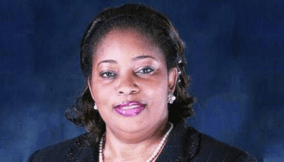
Dalu Ajene, Chief Executive Officer of Standard Chartered Bank Nigeria Limited, said, “Delivering on the CBN’s recapitalisation directive ahead of schedule underscores our unwavering confidence in the resilience and potential of the Nigerian economy. This achievement reaffirms Standard Chartered’s enduring partnership with Nigeria and our steadfast commitment to foster sustainable growth, support clients, and play a pivotal role in Nigeria’s financial and economic transformation.’’
With a distinguished global heritage spanning over 170 years in Africa, and 26 years of dedicated service in Nigeria, Standard Chartered Bank Nigeria Limited continues to harness its global expertise with local insights to provide innovative banking solutions that empower individuals, businesses, and communities to prosper.
Dayo Omolokun, Executive Director and Chief Financial Officer added: “The recapitalisation of Standard Chartered Bank Nigeria Limited ahead of the March 2026 deadline reinforces the Group’s commitment to Nigeria, as an important and strategic market on the African continent. Since returning to Nigeria to establish a wholly owned subsidiary in 1999, the Bank has supported clients and customers with structured financial solutions running into billions of Dollars, combining differentiated cross-border capabilities with leading wealth managementexpertise.
“This new capital investment will enable the Bank to do more, especially towards the achievement of a $1 trillion economy by 2031 as envisioned by President Bola Ahmed Tinubu.”

Join BusinessDay whatsapp Channel, to stay up to date
Open In Whatsapp