On the outskirts of Ikorodu, where Lagos gradually gives way to quieter, less serviced communities, General Hospital Ijede now has something most general hospitals in Lagos State do not — an intensive care unit (ICU). The facility did not come from government allocation or a donor agency; it came from a power company.
Egbin Power, Nigeria’s largest generation company by installed capacity, gave the fully equipped ICU in 2024 in partnership with the Sahara Group Foundation. For Olumuyiwa Balogun-Oluwa, General Hospital Ijede medical director , the significance was immediate. He said at the handover that the hospital had moved to a level of healthcare that few general hospitals in the state have reached.
Healthcare at the centre of community investment
Egbin Power’s footprint in Ikorodu long predates the ICU. For over a decade, the company has run what it describes as a personal corporate social responsibility framework — a structured, sustained investment in the communities that host its generating facility along the Lagos Lagoon. Healthcare has been the centrepiece of this initiative.
Read also: China’s chief targets Nigeria as Africa’s next vaccine hub
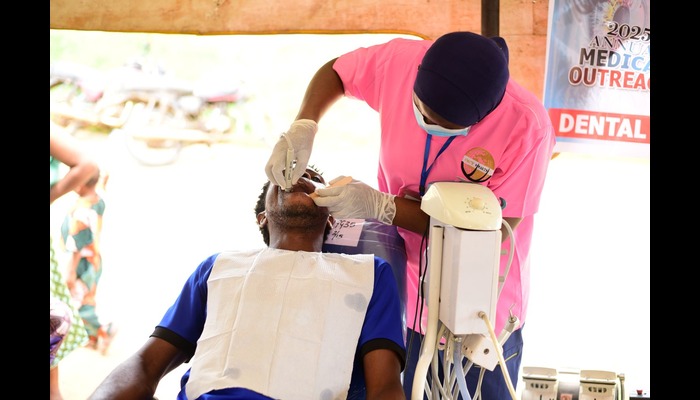
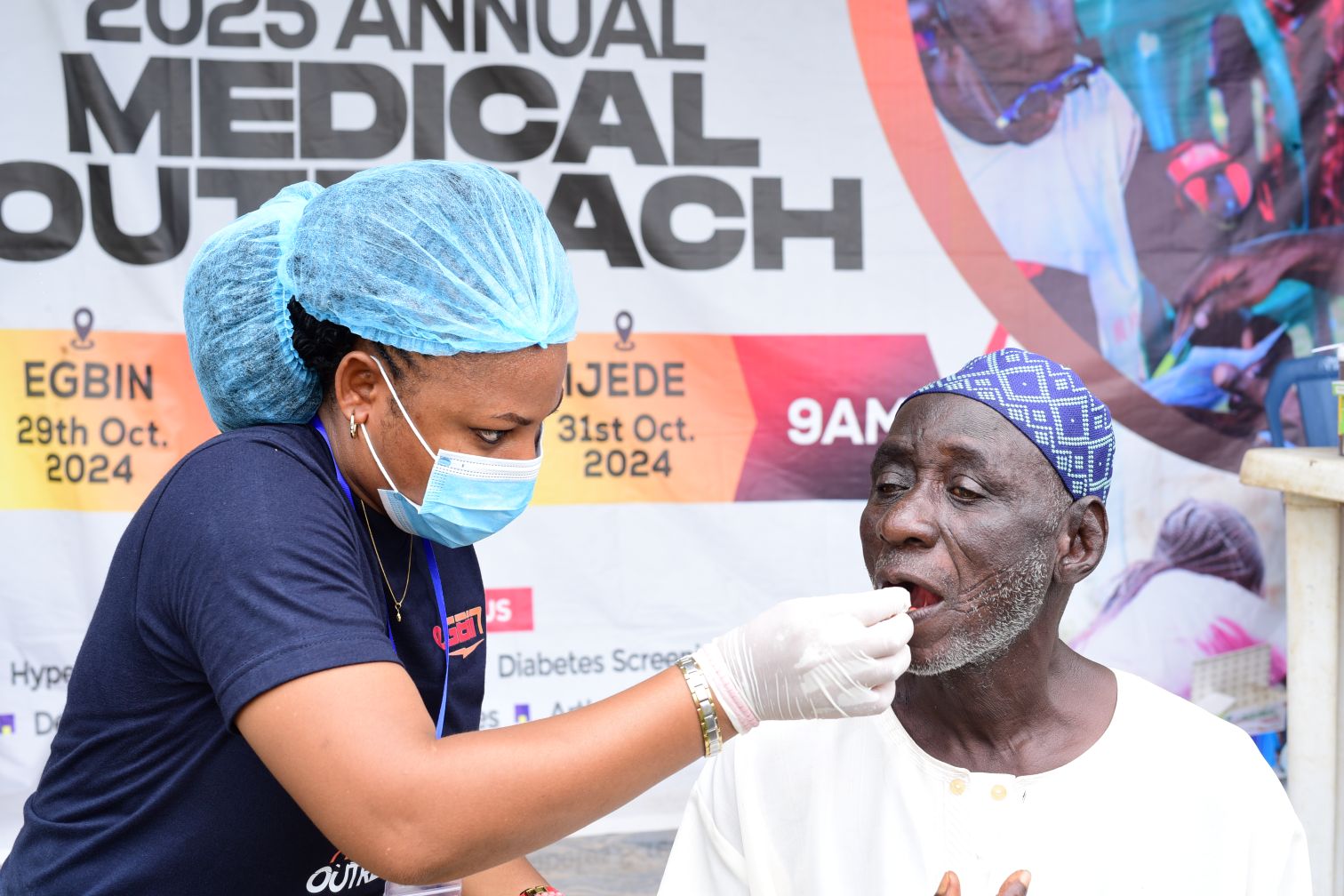
For eight consecutive years, the company has organised an annual medical outreach programme — a three-day exercise deployed across Egbin, Ijede, Ipakan and surrounding communities. The services are comprehensive, covering cardiovascular screening, diabetes testing and management, eye care, dental treatment, malaria care, arthritis management and blood pressure monitoring. Beneficiaries leave with medications, glucometers, blood pressure monitors and medicated glasses at no cost.
Sustained support through strategic partnerships
The outreach is delivered in partnership with Ceccy Health and the Livewell Initiative, two organisations that have helped the company scale quality at the community level. But the outreach is only the most visible layer. Egbin Power also makes quarterly medication donations to General Hospital Ijede and supplies medical consumables to primary healthcare centres in the area.
Furthermore, the company provides hospital-grade oxygen to facilities across Ikorodu and has maintained free, uninterrupted electricity supply to General Hospital Ijede for more than 10 years.
Reliable power is the foundation of functional healthcare; in a country where hospitals routinely run on generators, Egbin’s decade-long power supply to the Ijede facility has been a consequential intervention.
A benchmark for Nigeria’s power sector
Nigeria’s power sector has historically attracted criticism for its social footprint. Generation companies, transmission operators and distribution companies have faced scrutiny over their relationship with host communities — a tension familiar in infrastructure industries across the country. Egbin Power’s approach represents a deliberate counter-narrative.
Chief executive Mokhtar Bounour has been direct about the philosophy. Speaking at the ICU handover, he said the company’s commitment is not limited to electricity generation. He believes the strength of a community is reflected in the well-being of its people. Corporate communications and branding head Felix Ofulue frames it in practical terms, arguing that providing access to healthcare improves productivity and strengthens community sustainability.
Structural commitment over reputational gain
For Ipakan baale Mustapha Lasisi, the value is not abstract. In a community where many residents cannot afford routine medical care, the annual outreach has become a critical access point. Community leaders and beneficiaries alike have noted the consistency. In corporate social responsibility, consistency is rare as many programmes run for only a cycle or two before priorities change.
Read also: Food price surge dampens Easter mood for Nigerians
Egbin Power’s healthcare interventions have now run across multiple leadership cycles and economic downturns — a signal that the commitment is structural rather than reputational. The ICU donation sharpens that point; equipping a critical care unit is a capital investment with long-term operational implications for the hospital and the 600,000-plus residents of the Ikorodu division it serves.

Join BusinessDay whatsapp Channel, to stay up to date
Open In Whatsapp