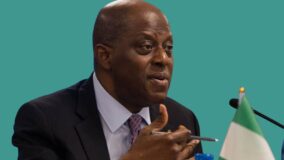
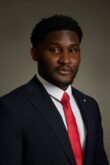
Experts, who gathered at the first traffic summit in Lagos on Thursday, canvassed for the adoption of inter-modal transportation system to solve the traffic logjam being experienced in the city, insisting it was the only way out.
Their position comes as the state governor, Akinwunmi Ambode says the government is ready to go any length in finding workable solution to the gridlock in order to promote business and stop halt-losses being incurred from wasted productive man-hours in traffic.
“As a government that is keen on promoting business and creating wealth opportunities for our residents, we are committed to seeking and funding substantial and comprehensive solutions to traffic challenges, therefore we are ready to take tough recommendations you come out with.
“We owe it to the people to ensure Lagos works for all. Tackling traffic is a good place to start; a good place to begin the significant change that our people expect from us,” Ambode said, saying that there was no shying away from tough decisions and implementation of effective strategies to bring about a robust traffic management in the state.
Boboye Oyeyemi, corps marshal, Federal Road Safety Corps (FRSC), and other experts that spoke at the summit with the theme “Tackling current, evolving and future traffic management needs of Lagos State,” said the way out of the problem remained diversification of the state’s transportation system and strict enforcement of the traffic laws.
He said 30 percent of national vehicular density was from Lagos, and most of the freights come from Lagos and this accounted for traffic logjam.
“But we have other means; intra-modal system, most especially rail and water, and if effectively put into use, the present traffic will be abated.
“We have to diversify means of transportation in Nigeria. 90 percent of transportation system in the country today is by road, and Lagos accounts for about 70 percent of importation network in Nigeria. We really have a major problem; Lagos is a mega city by every standard. It is 11 in mega city ranking in the world. It has a population of about 21 million people, according to United Nations population data.
“In Nigeria today, Lagos is the most economically important state, as commercial nerve centre of the country a lot need to be done. That means the intra-modal networks need to be revisited and improved upon,’ he said.
Olukayode Oyesiku, a professor from Olabisi Onabanjo University with over 30 years experience in transport planning, lamented the inability of the state government to explore the use of waterways, saying that was why armed robbers had taken to the use of waterways for their operations.
Dayo Mobereola, commissioner for transportation in Lagos, said the summit was put together in furtherance of Governor Ambode’s determination and commitment to genuinely address the traffic challenges confronting the state.

Join BusinessDay whatsapp Channel, to stay up to date
Open In Whatsapp