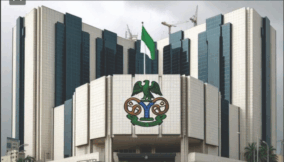
Central Bank of Nigeria (CBN) governor Olayemi Cardoso has hinted that interest rates could fall as inflation eases and capital flows improve, signaling that the bank’s aggressive tightening cycle may be approaching a turning point.
Speaking at the Eurocham Nigeria C-Level Forum in Lagos on Saturday, Cardoso said Nigeria is entering a phase where macroeconomic stability, banking sector reforms, and stronger capital inflows are beginning to restore investor confidence.
“There is substantial potential for interest rates to decrease in the future as inflation continues to decline and as markets become more efficient in allocating capital,” Cardoso said during a fireside chat with Andreas Voss, chief country representative of Deutsche Bank Nigeria.
“That is the environment in which stronger corporate lending and higher levels of investment will naturally follow.”
The CBN has raised its benchmark policy rate multiple times since 2023 in a bid to tame inflation and stabilise the naira. While inflation remains elevated, it has begun to ease in recent months, partly due to sustained monetary tightening and currency stabilisation measures.
Read Also: Over 20 million Nigerians enroll in Health Insurance – NHIA
Cardoso stressed that the apex bank intends to protect recent gains in financial stability “with the utmost zeal,” while ensuring that banks remain resilient enough to support lending and investment.
He pointed to the ongoing recapitalisation exercise — which compels banks to significantly increase their capital bases — as critical to building stronger, shock-absorbent institutions capable of financing long-term growth. The process, he said, is “making good progress.”
The CBN governor also underlined the need for closer coordination with fiscal authorities to strengthen reform execution and policy alignment. “Improved collaboration between monetary and fiscal policymakers is critical to sustaining macroeconomic gains,” he noted.
On financial inclusion and innovation, Cardoso reaffirmed the bank’s support for fintech as a tool to expand access to financial services, reduce poverty, and broaden participation in the formal economy.
Looking outward, he stressed Nigeria’s strategic importance in a turbulent global landscape. “Nigeria is a market that is both large and appealing in its own right, and it is also situated at the entrance to the broader continent and West Africa,” he said.
Earlier, Eurocham president Yann Gilbert reaffirmed European investors’ commitment to Nigeria, describing the chamber as a platform for deepening business-government dialogue and unlocking opportunities.


Join BusinessDay whatsapp Channel, to stay up to date
Open In Whatsapp