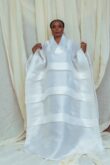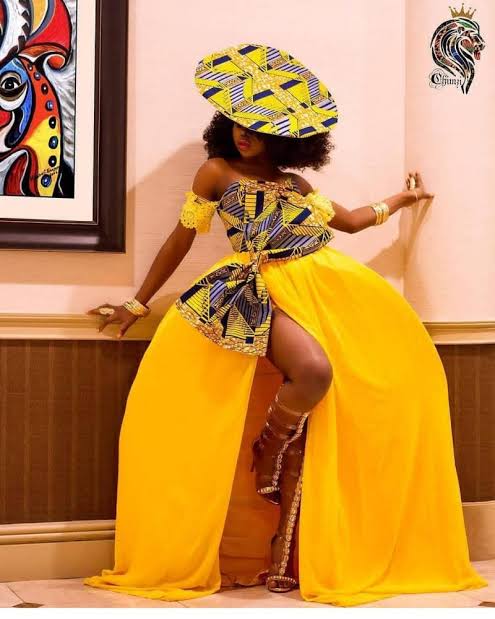
In the theatre of Nigerian fashion, the head is a canvas. For decades, the towering majesty of the traditional gele (artistic head tie) has commanded respect at traditional weddings and cultural ceremonies. Yet, alongside this indigenous icon sits another, highly resilient headpiece that has refused to leave the spotlight: the fascinator.
Far from a passing Western trend, the fascinator has woven itself deeply into the fabric of Nigerian social life. From high-society church weddings in Lekki to Sunday morning services, royal funerals, and elite race days, these delicate, architectural headpieces remain a non-negotiable crown of elegance.
But why has this millinery staple sustained such enduring popularity in Nigeria’s fashion landscape?
While a beautifully tied gele is unmatched in its cultural prestige, it requires time, expertise, and occasionally, a high tolerance for discomfort. Enter the fascinator.
As Nigerian social events (popularly known as Owambes) evolved, modern women began seeking alternative headwear that delivered maximum visual impact with minimal physical strain. The fascinator offered the perfect compromise: it is lightweight, sits comfortably on a headband or comb, preserves intricate hairstyles, and is incredibly easy to put on. It allows the modern Nigerian woman to transition from the solemnity of a church ceremony to the high-energy dance floor of a wedding reception without breaking a sweat.
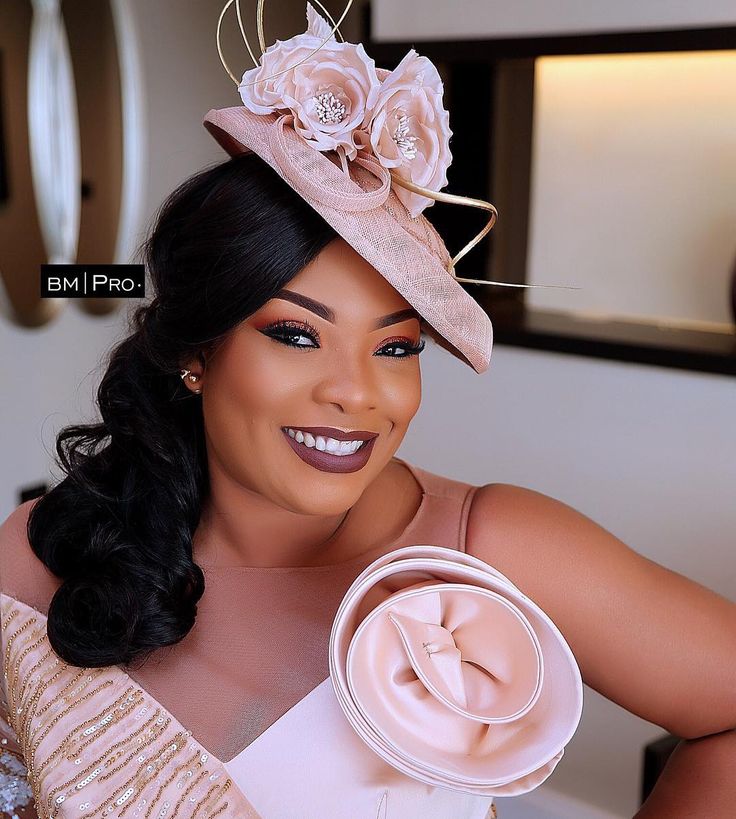
The Versatile Canvas of Contemporary Aso-Ebi
Nigerian fashion is legendary for its ability to adopt global elements and infuse them with local flavor. The rise of contemporary Aso-Ebi (family/group uniform fabric) styles has provided the perfect canvas for fascinators.
Rather than sticking to traditional fabrics alone, designers are increasingly creating mixed-media ensembles. Fascinators crafted from local materials like Aso-Oke, raw silk, or lace are frequently paired with bespoke gowns, creating a striking hybrid of Western sophistication and African heritage. This versatility means milliners can constantly reinvent the headpiece to match any lace pattern, sequin detailing, or color scheme.
The “Sunday Best” and Royal Influences
In Nigeria, dressing up for Sunday service is a deeply ingrained cultural ritual. The “Sunday Best” wardrobe demands a level of poise that the fascinator delivers effortlessly. It carries a subtle, regal aesthetic—drawing inspiration from British royal style but amplified with Nigerian boldness.
The influence of high-profile royal weddings and events across the globe has only fed this obsession. Nigerian women take these international millinery trends and scale them up, opting for larger-than-life structures, dramatic feathers, and vibrant jewels that command attention the moment they walk into a room.
A Thriving Millinery Industry
The enduring love for fascinators has fueled a highly lucrative local industry. Across major fashion hubs like Lagos, Abuja, and Port Harcourt, young creative entrepreneurs have built thriving brands dedicated solely to millinery.
These local designers have moved far beyond importing ready-made hats. They are hand-sculpting sinamay, dying feathers in custom shades, and incorporating local beadwork. Because these designers can customise pieces to a client’s exact outfit and skull shape, the fascinator remains personal, premium, and inherently luxurious.

Join BusinessDay whatsapp Channel, to stay up to date
Open In Whatsapp