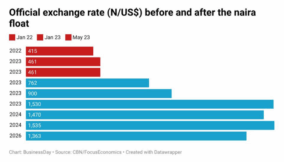
For decades, Nigeria’s petrol market presented a paradox. Despite being Africa’s largest oil producer, the country relied almost entirely on imported refined fuel, often administered through state-mandated price controls and opaque subsidy arrangements. These policies insulated firms from competition, dulled incentives to invest in domestic refining, and periodically created severe shortages. Prices rarely reflected true cost structures; they rose only when policymakers deemed it politically necessary. During this period, cartel-like behaviour
For decades, Nigeria’s petrol market presented a paradox. Despite being Africa’s largest oil producer, the country relied almost entirely on imported refined fuel, often administered through state-mandated price controls and opaque subsidy arrangements. These policies insulated firms from competition, dulled incentives to invest in domestic refining, and periodically created severe shortages. Prices rarely reflected true cost structures; they rose only when policymakers deemed it politically necessary. During this period, cartel-like behaviour