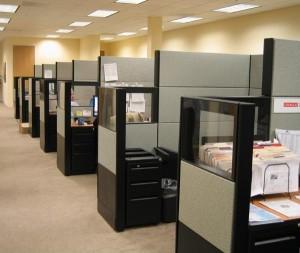
I remember when JLL West Africa Corporate Solution was starting operations formally in Nigeria. One of the first tasks was to find an office space for the team. There were a number of options available, but the most suitable options for us given our size and the urgency of our need were serviced office spaces. These office spaces provided more than the basic commercial real estate services space such as power and building maintenance. They offered fully furnished office suites, shared receptionists, basic office equipment and other amenities that allowed for a plug and play solution. This is the key advantage of the serviced office solution in Nigeria – an easy hassle free solution for multi-national companies seeking a quick and easy start to operations.
A second advantage of the service office solution is the flexibility it provides. Tenants can pay monthly for space versus the 1 to 2 years upfront rent that typical office solutions in Nigeria demand (although this is changing for Lagos Island offices where landlords are beginning to consider quarterly payment options). Tenants can also make changes to their space and furniture needs with some level of ease, depending on the availability of space in their building. They can obtain additional offices and work stations with relative ease in serviced offices. No need to hire a fit-out contractor, or negotiate with office furniture suppliers who may not have adequate stock. Flexible access to meeting rooms is another benefit. Multinationals can easily rent rooms for client meetings and conferences, without having to invest in such spaces within their own offices. This helps control costs to an extent.
The serviced office space market is however used as temporary office solutions – “temporary” because they are more expensive than the typical office lease option. Tenants pay a higher fee in order not to invest in long term capital intensive items such as fit outs, furniture, technology installments for wi-fi or phone, faxes, printers etc. As part of their fee package, tenants also obtain administrative staff function and security. Operating a corporate space can sometimes be a burden and might require additional administrative staff whose sole function would be to manage the office space. When this function is outsourced completely, it leaves companies free to focus on their core business.
The demand for serviced office space is increasing in Nigeria and the West African region as more and more new entrants wish to spend their early days focusing on their core business. In response to the growing demand, we are seeing more serviced office space players enter the market. In Nigeria, Regus and Landmark were initially the only companies that offered these spaces. That was three to four years ago. We now see new, smaller entrants to this market, most notably Canton Concourse and Venia Hub. These new players have fewer numbers of properties and are targeting SMEs and local startups where the need exists but the budgets are smaller.
A new option for SME’s that now exists in the Nigerian market are co-working spaces which allows a small business to rent a space often, a desk or two, month to month on a non- permanent basis. This is certainly cost effective for these young companies who are still trying to get off the ground and need to reinvest as much of their resources as possible into their business.
A trend has emerged for the co-working space players in Lagos; they often attract a particular group of tenants who are in similar industries and form these communities. They form symbiotic relationships and help each other grow. These co-working players, particularly the CC Hub, Create Space and Idea Hub, have pivoted to full time idea incubation centers that give opportunities, resources and training to future startups. They even provide funding to the viable start ups that are born in their hubs. The successes of these local groups have made Lagos an even more attractive market to international players in the space. Companies like the NEST group are now actively looking to open up in Nigeria.
Serviced office spaces, co-working space and incubation hubs, are changing the landscape of corporate real estate in Nigeria. The changes that we have seen in the past two years since we moved to our serviced office space will pale in comparison to what we should see in the next three to five years.
Chinwe Ajene-Sagna

Join BusinessDay whatsapp Channel, to stay up to date
Open In Whatsapp