…Production faces fresh pressure

Rising insecurity across Nigeria’s major sesame seed-producing belts and the increasing threat of flooding during the current farming season are raising concerns over the country’s ability to sustain its position as one of the world’s leading sesame exporters in 2026.

Experts warn that attacks by bandits on farming communities and flooding could slash cultivation and harvest volumes, jeopardising export earnings from one of Nigeria’s most valuable non-oil exports.

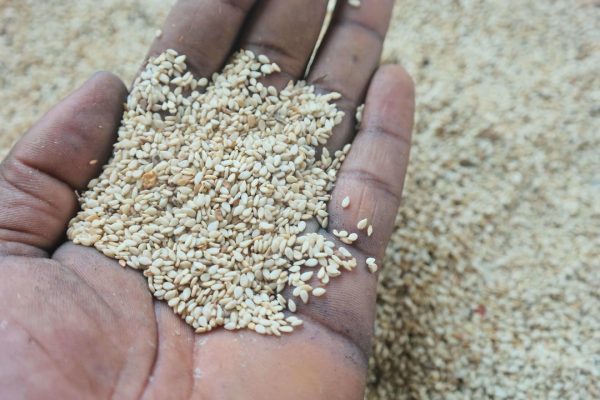
Nigeria is Africa’s largest producer of sesame and a leading global exporter, supplying major markets such as China, Japan, and Turkey. But security challenges and climate disruptions threaten to reduce next season’s export volumes.

Ubale Sani, a professor at the Department of Agricultural Economics and Extension, Bayero University, Kano, noted that continued insecurity, low mechanisation, poor rural infrastructure and climate uncertainties remain major obstacles to reversing Nigeria’s sesame production trend.

Sesame cultivation has grown rapidly over the past two decades, transforming from a subsistence crop into one of Nigeria’s leading export commodities owing to surging demand and government efforts to diversify non-oil exports.

The crop is particularly attractive due to its drought tolerance, adaptability to semi-arid conditions and its multiple industrial applications, ranging from food production and oil extraction to pharmaceutical and cosmetic manufacturing.

Nigeria produced 450,000 metric tonnes of sesame seeds in 2024, according to data from the Food and Agriculture Organisation (FAO), and this figure accounted for 6.2 percent of global output, placing the country among the world’s top five producers.

Despite the impressive production figures, national output has recorded a steady decline over recent years, falling by nearly 20 percent from over 523,000 metric tonnes recorded in 2019.

Nigeria’s export performance, however, has remained relatively strong. The country’s earnings from sesame grew by 20 percent year-on-year from N128.1 billion in the first quarter of 2025 to N153.8 billion in the corresponding period of 2026.

However, Amniu Alhassan Fagge, a lecturer and researcher at the Centre for Dryland Agriculture, BUK, warned that maintaining that momentum in earnings from the commodity may become increasingly difficult if farmers are unable to cultivate their fields safely or if excessive rainfall damages crops during the growing season.

He noted that the crop is predominantly cultivated by smallholder farmers operating on one to three hectares of land under rain-fed conditions with limited mechanisation and low external inputs.

Most post-harvest operations, including drying, cleaning and packaging, remain manual, increasing production costs and reducing efficiency, Fagge said.

The sesame supply chain typically moves from farmers through aggregators and licensed buying agents before reaching exporters who undertake cleaning, sorting and limited processing before shipment through Lagos ports.

Impacting livelihoods

The crop’s economic importance extends beyond export earnings, providing livelihoods for more than 500,000 farmers across northern Nigeria while supporting thousands of workers involved in aggregation, transportation, processing and export logistics.

Women also play significant roles in harvesting, cleaning and aggregation activities, making the value chain an important source of household income in rural communities.

Also, Hasaan Tahir Yaro, president of Kano Small & Medium Scale Traders, Farmers and Entrepreneurs Development Association (KASCOTE), noted that any disruption to production could have wider implications for rural employment, foreign exchange earnings and Nigeria’s drive to expand agricultural exports.

International buyers continue to rely heavily on Nigerian sesame for confectionery products, bakery ingredients, tahini production, edible oil extraction and industrial applications.
White sesame remains the country’s predominant export variety due to its high demand in confectionery and bakery industries, while brown sesame and mixed-colour varieties are widely used for oil extraction and industrial processing.

Organic sesame production is also gradually expanding through certified cooperatives targeting premium international markets.

The stakeholders and experts are therefore calling for enhanced security around farming communities, improved flood control measures and greater investment in mechanisation and extension services to safeguard production.

They also advocate increased access to improved seed varieties, better rural roads and expanded irrigation facilities to reduce dependence on rainfall and improve resilience against climate shocks.

As global demand for sesame continues to rise, stakeholders believe Nigeria possesses enormous potential to strengthen its position in the international market, provided urgent measures are taken to protect farmers and improve productivity.

Without decisive intervention, however, the dual challenge of insecurity and flooding could undermine the country’s export prospects in 2026 and reduce the volume of sesame available for international buyers, with corresponding consequences for foreign exchange earnings and rural livelihoods.

Join BusinessDay whatsapp Channel, to stay up to date

Open In Whatsapp