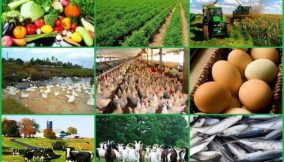
The Federal Government has stepped up efforts to align Nigeria’s livestock development strategy with climate goals, targeting lower emissions while expanding productivity under the National Livestock Growth Acceleration Strategy.
Chinyere Ijeoma Akujobi, permanent secretary, Federal Ministry of Livestock Development, in a statement by the ministry yesterday, said the government is integrating climate sensitive planning into the livestock roadmap as part of a broader push toward net zero emissions.
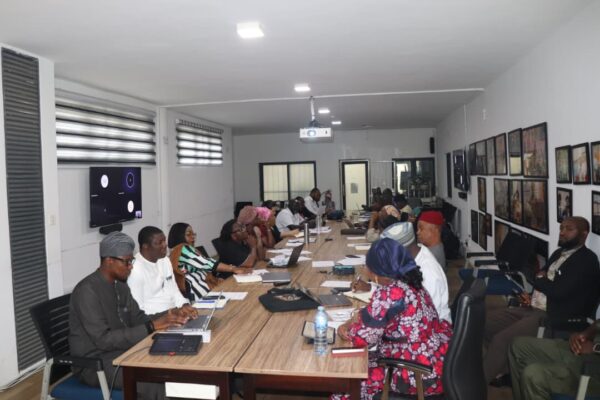
Akujobi spoke in Abuja, at a stakeholders engagement workshop on developing a climate sensitive plan for the NL GAS. She said the process marks a decisive shift from subsistence livestock production to a modern, commercially viable system that is efficient, inclusive and resilient.
She explained that the new approach is designed to balance mitigation and adaptation priorities. It will reduce emissions while strengthening the sector against climate risks such as land degradation and changing weather patterns.
Akujobi said livestock remains a critical pillar of Nigeria’s rural economy, contributing between three and five percent to gross domestic product and valued at about 32 billion dollars. She noted that millions of Nigerians depend on the sector for income, nutrition and livelihoods.
Beyond primary production, she said the strategy will unlock value across the chain including dairy, meat, leather, egg production, processing, cold chain logistics and veterinary services.
“This is about transforming an entire ecosystem into one that is globally competitive,” she said, adding that climate smart practices will improve efficiency and output.
Alike Peter director technical office of the permanent secretary federal ministry of livestock development said the plan is aimed at accelerating productivity through faster and more coordinated interventions across the value chain.
He said the NL GAS is repositioning livestock from a narrow focus on animal husbandry to a broader industry driven by value chain opportunities and investment potential.
Laura Cramer, policy engagement specialist, International Livestock Research Institute said the institute is ready to support Nigeria with technical expertise to develop and implement a climate sensitive framework for the strategy.
Other development partners including GIZ, FAO and stakeholders from the national council on climate change, federal ministry of environment, sahel consulting and the ministry’s technical working group participated in the workshop.
The engagement is expected to produce a framework that aligns livestock growth with Nigeria’s climate commitments while boosting output and rural incomes.

Join BusinessDay whatsapp Channel, to stay up to date
Open In Whatsapp