Zambia’s annual inflation rate eased for the sixth consecutive month in June, falling to 6.5 percent from 6.6 percent in May as a stronger currency, lower food prices and government measures to cushion fuel costs continued to dampen price pressures, the country’s statistics agency reported on Thursday.
The latest data is the country’s lowest inflation rate since February 2018, bringing consumer price growth closer to the Bank of Zambia’s medium-term target and reinforcing confidence in the country’s economic recovery.
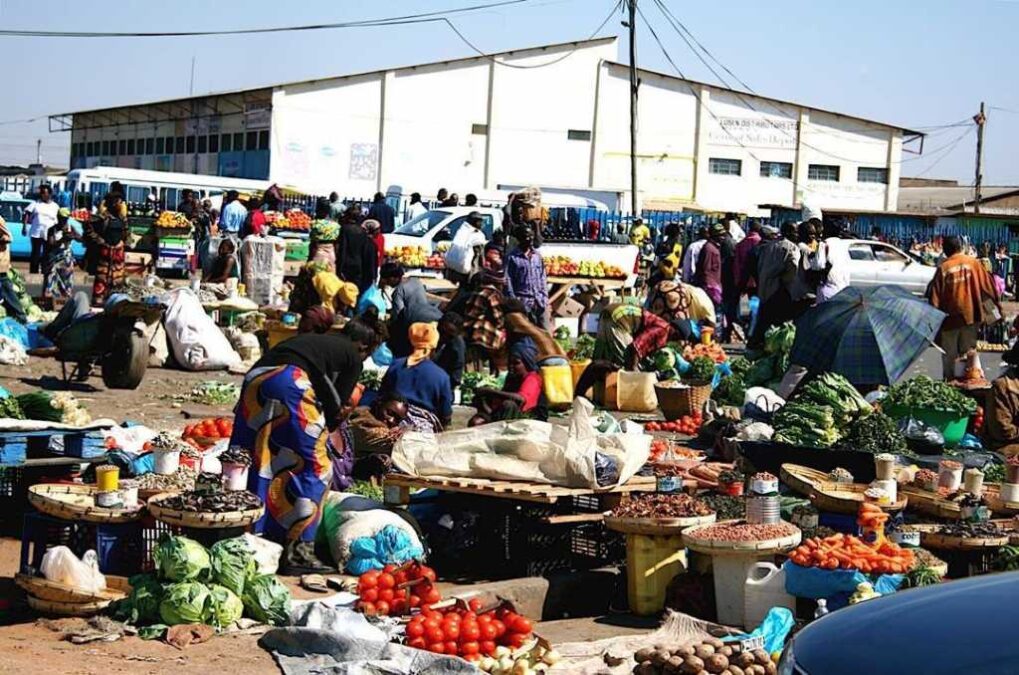
The Zambia Statistics Agency also showed that food inflation slowed to 6.7 percent in June from 6.9 percent in May, while non-food inflation edged down to 6.0 percent from 6.1 percent.
On a month-on-month basis, inflation increased by just 0.1 percent, compared with 0.25 percent in May.
The decline has been supported by a bumper maize harvest, which has improved domestic food supplies, and the continued appreciation of the kwacha. Zambia’s currency has strengthened by nearly 20 percent against the US dollar this year, buoyed by rising copper export earnings and growing investor confidence following progress in restructuring the country’s external debt.
The government has also suspended fuel-related taxes through the end of June, helping to contain transport and energy costs that often feed into broader consumer prices.
The easing in inflation marks a sharp turnaround for the copper-rich nation after years of elevated price pressures. In January, annual inflation fell below double digits for the first time in three years, dropping to 9.4 percent from 11.2 percent in December 2025.
Since then, inflation has fallen by nearly three percentage points to 6.5 percent, reflecting the country’s improving macroeconomic fundamentals.
The recovery has coincided with stronger performance in Zambia’s mining sector, particularly copper, the country’s largest export. Higher global copper prices and increased production have boosted foreign exchange inflows, supporting the kwacha and easing imported inflation.
The Southerner country is targeting copper production of more than one million metric tonnes in 2026 and plans to triple annual output to three million tonnes by 2031 through expanded investment in the mining sector.
It produced a record 890,000 tonnes of copper last year, while government data showed refined copper exports rose 10.9 percent in the first two months of 2026 to 155,300 metric tonnes, up from 140,000 tonnes during the same period a year earlier.
The country’s improving fiscal outlook has also strengthened investor sentiment. Earlier this month, Zambia secured investor support for the buyback of its $1.36 billion Eurobond due in 2053, a move aimed at lowering borrowing costs, improving debt sustainability and creating fiscal space for investment in critical infrastructure, including electricity.
The sustained moderation in inflation is expected to give policymakers greater flexibility as they seek to balance price stability with efforts to support economic growth after years of debt distress and high inflation.

Join BusinessDay whatsapp Channel, to stay up to date
Open In Whatsapp