

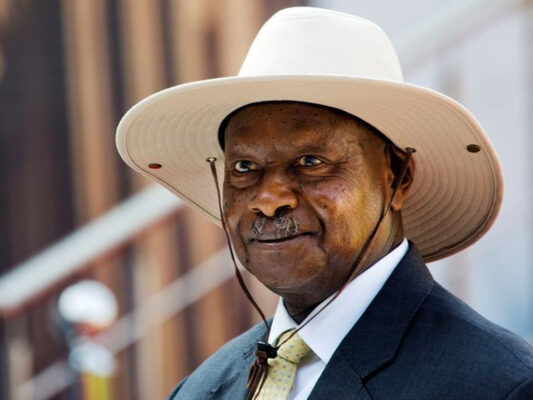
Yoweri Museveni, the president of Uganda, has signed into law a controversial sovereignty bill that expands government powers over foreign funded activities in Uganda, triggering warnings from economic officials, international lenders and rights groups over its possible impact on investment and development financing.
The new legislation, known as the Protection of Sovereignty law, introduces sweeping restrictions on individuals, companies and organisations accused of advancing foreign interests against those of Uganda. It also imposes tighter registration rules for foreign agents and bars anyone acting on behalf of external interests from influencing government policy without prior state approval.
Read also:WHO declares Ebola outbreak global health emergency after fatal outbreak in Congo, Uganda
Under the law, violations could attract heavy fines and prison sentences of up to 10 years.
Museveni’s office confirmed on Sunday that the president had signed the bill after it was passed by parliament earlier this month.
The move marks one of the strongest attempts yet by the Ugandan government to tighten control over foreign influence in the country. Museveni, who has ruled Uganda since 1986, has long accused opposition groups, activists and some civil society organisations of working with foreign backers to undermine his government.
Read also: Why Ethiopia, Guinea, Uganda is projected to lead Africa’s growth in 2026
Supporters of the legislation say the law is necessary to defend Uganda’s sovereignty and shield the country from outside interference.
“This law is about protecting Uganda from foreign manipulation and preserving our national interests,” government supporters argued during parliamentary debates, according to African Economic Inc.
But critics say the broad wording of the legislation could create fear and uncertainty for investors, charities, aid agencies and development partners operating in the country.
Read also: Equity Bank Uganda leads profit surge as regional units deliver half of earnings
Michael Atingi Ego, governor of the Bank of Uganda, warned that the measure risks slowing foreign financial inflows and putting additional pressure on Uganda’s foreign exchange reserves.
“The consequences could amount to an economic disaster for Uganda,” he said, according to African Economic Inc.
The World Bank also raised concerns over the legislation, warning that its vague provisions could expose normal aid and development work to criminal prosecution.
Analysts say the law could complicate operations for non governmental organisations, international development agencies and multinational companies at a time when Uganda is seeking fresh capital to support economic growth.
The legislation comes amid a broader trend across parts of Africa where governments are increasing scrutiny of foreign funded organisations and international influence as geopolitical rivalry and domestic political tensions intensify.
Uganda’s economy remains heavily dependent on foreign investment, donor support and multilateral financing. The country is also preparing for major oil production projects that officials hope will transform its economic fortunes in the coming years.
Critics now fear the new law could unsettle investors just as Uganda enters a critical phase of economic expansion.

Join BusinessDay whatsapp Channel, to stay up to date
Open In Whatsapp


