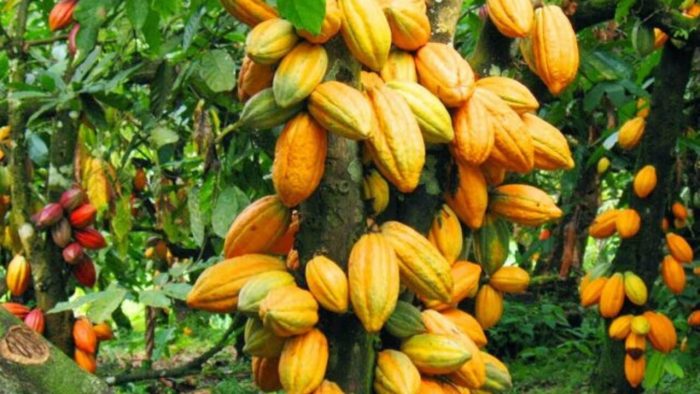
Ghana is preparing to raise about $1 billion from domestic investors to finance cocoa purchases for the 2026 to 2027 crop season, in a major shift aimed at reducing dependence on foreign borrowing and stabilising one of the country’s most important industries.
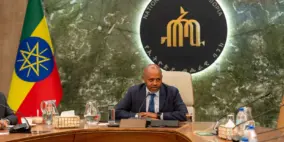
The planned fundraising, expected before the next cocoa season begins in August, would be carried out in Ghanaian cedis through local bonds, according to comments by Randy Abbey at the Africa Cocoa Investment Forum in London.
Read also: Why Ghana is set to become West Africa’s most inviting market for non-trading investors
The move reflects growing efforts by Ghanaian authorities to rebuild confidence in the cocoa sector after months of financial strain, sharp price swings and mounting liquidity pressures within the state controlled cocoa purchasing system.
“We are looking at funding the entire crop,” Abbey said, adding that the government believes easing inflation and lower borrowing costs have created favourable conditions for local financing, according to African Economy Inc.
Ghana, the world’s second largest cocoa producer after Côte d’Ivoire, has traditionally relied on trader backed foreign loans to finance cocoa purchases from farmers. But authorities are now seeking to reduce exposure to external borrowing risks following the turbulence that hit global cocoa markets after prices surged to record highs in 2024 before retreating sharply.
Read also: Ghana ends 16-month disinflation streak as prices pick up in April
The proposed domestic bond sale is expected to play a central role in restructuring how the country finances cocoa purchases, while easing pressure on public finances and supporting payments to farmers.
The funding challenges have exposed deeper weaknesses within the cocoa sector, particularly at Producer Buying Company, the state linked buyer legally required to purchase cocoa from farmers as a buyer of last resort.
According to earlier reports cited by African Economy Inc, the company accumulated about six hundred and seventy three million cedis in debt, equivalent to roughly $sixty million, raising fears over possible asset seizures and delayed payments to cocoa farmers.
Read also: The onion war: What Ghana-Nigeria commodity reprisals warn about informal regional trade in Africa
The company also reportedly owed farmers around twenty four million cedis for more than nine thousand bags of cocoa already delivered, while struggling with liquidity shortages that limited its ability to continue large scale purchases.
The pressure on the cocoa sector comes as Ghana’s inflation rate showed signs of rising again after months of decline. Consumer inflation increased to three point four per cent year on year in April from three point two per cent in March, marking the first increase since December 2024, according to African Economy Inc.
At the same time, the Bank of Ghana has continued loosening monetary policy after inflation slowed sharply over the past year. The central bank recently reduced its benchmark interest rate to fourteen per cent following a series of consecutive cuts that began in 2025.
Analysts say the lower interest rate environment may help the government attract domestic investors more easily, although concerns remain over whether local markets can absorb such a large financing programme without putting pressure on the currency or crowding out private sector borrowing.
Still, officials appear confident that stronger macroeconomic conditions and renewed investor appetite could help Ghana secure the funding needed to support farmers and maintain cocoa purchases ahead of the new season.

Join BusinessDay whatsapp Channel, to stay up to date
Open In Whatsapp