From central banks in Rwanda and Ghana recalibrating policy amid rising global uncertainty to South Africa grappling with its sharpest fuel shock in decades, policymakers across the continent are navigating a more volatile environment. At the same time, corporate Africa is confronting structural shifts ranging from AI-driven job disruption in banking to Aliko Dangote’s multi-billion-dollar push to reshape Africa’s fertiliser and food security landscape.
Here are the stories that shaped the week
Rwanda joins Botswana in defying hold trend, raises MPR to near 20-year high
National Bank of Rwanda raised its benchmark interest rate by 100 basis points to 8.25 percent, its highest level since 2009, as policymakers moved aggressively to contain rising inflation and shield the economy from mounting external shocks. The latest increase follows a 50-basis-point hike in February and reflects growing concern over persistent price pressures linked to the prolonged Middle East conflict and rising global oil prices.
Why it matters: Rwanda’s move signals a growing shift among African central banks toward tighter monetary policy as global energy shocks threaten to reverse months of easing inflation. It also highlights widening divergence in policy responses across the continent.
Africa’s biggest bank faces backlash over AI and job cuts
Bill Winters, chief executive officer of Standard Chartered, has sought to reassure employees after comments about replacing “lower value human capital” with artificial intelligence triggered criticism and renewed concerns over automation-driven job losses in banking. The London-based lender plans to cut nearly 8,000 support roles over the next four years as part of a broader technology overhaul.
Why it matters: The controversy reflects how AI is rapidly reshaping employment across Africa’s banking and services sectors, raising concerns about workforce displacement, skills gaps and the future of white-collar jobs on the continent.
Ghana halts year-long easing cycle as inflation pressures return
Bank of Ghana kept its benchmark interest rate unchanged at 14 percent, ending a streak of five consecutive rate cuts as policymakers weighed renewed inflation risks tied to escalating Middle East tensions. The central bank signalled a more cautious stance despite improving domestic economic conditions.
- Shippers Council assures exporters of timely cargo evacuation after BusinessDay story
- WORLD IN BRIEF: Charlie Kirk murder case heads to court, Microsoft cuts 4,800 jobs, Senegal's president plans new political party and other stories
- Meet Emmanuel Nnorom poised to take over from Elumelu as UBA Chair
Why it matters: The pause underscores how external shocks are complicating Africa’s monetary policy outlook, with central banks increasingly prioritising inflation and currency stability over growth support.
South Africa’s inflation climbs to 20-month high as Iran war drives fuel shock
South Africa’s inflation accelerated to a 20-month high in April as rising fuel and transport costs linked to the Iran conflict pushed up consumer prices across Africa’s most industrialised economy. According to Statistics South Africa, annual inflation rose to four percent from 3.1 percent in March, while petrol prices recorded their biggest increase this century.
Why it matters: The resurgence in inflation raises the risk of prolonged higher interest rates in Africa’s biggest economy, threatening household spending, business costs and broader regional growth momentum.
How Dangote’s $4bn Ethiopia fertiliser bet could reshape Africa’s food future
Aliko Dangote has expanded the Dangote Group’s investment in Ethiopia from $2.5 billion to more than $4 billion, deepening one of Africa’s largest agro-industrial projects. The investment is aimed at reducing Africa’s dependence on imported fertiliser, strengthening food security and accelerating industrialisation amid growing global supply chain disruptions.
Why it matters: The project highlights how Africa’s largest industrial groups are positioning themselves to capitalise on food security challenges, while potentially reshaping fertiliser production, agricultural productivity and intra-African trade over the long term.
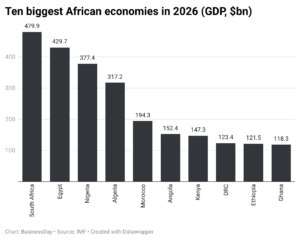
Chart of the Week

Join BusinessDay whatsapp Channel, to stay up to date
Open In Whatsapp