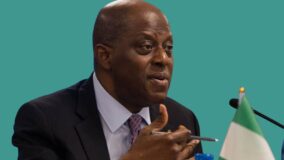
Nigeria’s Central Bank Governor Olayemi Cardoso says key benchmark interest rates which have stayed higher for longer may begin to slow if inflation trends downward in the coming months.
The CBN chief acknowledged that inflation still remains “elevated”, he however noted that “it’s less sticky than before”, fanning hopes that the macroeconomic stability may, in the near term, put the authorities in the right terms to ease monetary controls after hiking borrowing rates throughout last year.
“If we continue with our course of orthodox monetary policy—which has already shown results—then inflation will moderate over time. Alongside that, interest rates will also begin to ease,” Cardoso said at the launch of the World Bank’s Nigeria Development Update in Abuja.
Read also: CBN, portfolio investors still dominate Nigeria’s FX turnover – World Bank
Inflation report is expected in the next three days with analysts predicting that the stubbornly high consumer prices may likely wane in April after picking up a month before on rising fuel and food prices.
The trend of April’s inflation data will likely influence the decision of the monetary authorities when policymakers meet by the end of May to determine whether to hold, cut or raise interest rates in line with the CBN orthodoxy methodology.
At its last meeting in February, the Cardoso-led Monetary Policy Vommittee held rates steady, aligning with the projections of analysts polled by BusinessDay with rates at 27.5% the position it stood when it last met in November 2024.
The CBN chief said the Abuja-based lender remains committed to its core mandate of price and financial stability, a situation that has seen FX market volatility decline to about half a percent up from 4 percent a year ago.
He noted that the transparency and openness the Central Bank now has led to net reserves accretion hitting its highest in more than three while the bank posted a N30 billion profit up from over N1 trillion losses recorded in 2023.
This position of the CBN has seen exited investors returning as confidence rises. “No one wants to invest in opacity. We’ve ensured consistency and openness—rate differentials have largely disappeared, making it easier for investors to re-enter the Nigerian market.”
For Cardoso, Nigeria must ‘stay the course’ on reforms embarked upon in the past two years in spite of the political and public pressures as it’s crucial to ensure economic stability that’ll help cushion pains of the most vulnerable.
“As stability continues to improve, the opportunity for growth will rise. And that will trickle down to the more vulnerable within our society,” the CBN boss said. “The fiscal authorities are already working on strengthening the mechanism for targeted transfers to support those who are most at risk.”

Join BusinessDay whatsapp Channel, to stay up to date
Open In Whatsapp