Expenditure reduction through adjustment and elimination of inefficiencies and corruption. The mismanagement of the economy is such that at present, the country is living above its means. This means that structural adjustment is imperative. One crucial policy response to the oil shocks is expenditure reduction through elimination of wastes and corruption from public spending and procurement. If the will to eliminate wasteful spending and corruption is there, it would be found that the volume of public expenditure undertaken annually is not necessary to obtain the accompanying low volume of goods and services; the same expenditure volume would produce a much higher volume of goods and services. One factor that has contributed to the very high cost of governance and bloated public expenditures is the astronomically increased salaries and wages bill. This was a bad influence on the wider public service where officers began to demand higher emoluments. If they had been reasonable in awarding salaries and wages to themselves, the demand for higher wages by public sector trade unions would have been less strident. Therefore, one key area of fiscal adjustment is the drastic reduction of salaries and emoluments of government officials, elected representatives and other political office holders. The government must lead by example and muster the will to slash the emoluments of public office holders and legislators.
Tax reform. Adjustment through expenditure reduction is not enough. Non-oil revenue must serve as a major and sustainable internal revenue source in Nigeria and for this to happen, the reform of the tax system needs to be given top priority. The reform should ensure that the tax payer is treated well, the tax administrator is treated well, government invests adequately in its revenue systems, and government manages the Nigerian society well. Given this, more tax revenue is likely to be raised by the three tiers of government.
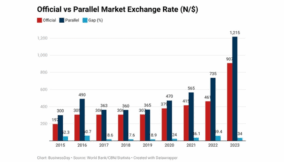
Deregulation of petroleum product prices and elimination of subsidies. In a disciplined society, subsidy confers benefits on consumers. But so far in Nigeria, because of the entrenched corruption, subsidy has not been effective. Trillions of naira have allegedly been spent annually on subsidizing petroleum product prices but consumers are not better off. The subsidy scheme has become an instrument for monumental leakages and fraud. The President-elect should sensitize and appeal to Nigerians on the need to deregulate petroleum prices. This will plug funds leakages through fraud and corruption. Part of the savings can be used to provide social security schemes to unemployed youths and others. The impact of deregulation will not even be as devastating as the recent massive devaluations of the naira.It can be far less if done along the line I suggested in my two-part article in the Punch Newspaper of January 17 and 18, 2012.
Infrastructure and conducive business environment. The environment for business and real sector development is very unconducive. Among others, focus should be on providing efficient infrastructure, especially power. The President-elect should remove the jinx in the power sector. This will make all categories of business to grow and develop, generate incomes and employment. The President- elect should read the riots act to the electricity Gencos and Discos to perform or face the consequences.
Election Management
INEC.It is generally acknowledged that INEC performed well in the conduct of the Presidential and National Assembly elections. The introduction of the card reader technology added value to the elections in terms of ensuring fairness and credibility. Therefore, like normal societies, the country should improve on the use of the technology and move towards electronic voting in future elections. Very importantly, the President-elect should reform INEC to ensure that it is composed of non-partisan, independent and upright Nigerians instead of card-carrying members of political parties. This will make the electoral process to be morecredible.
In conclusion, the Nigerian economy is in bad shape and drastic adjustment and social security measures are required. The President-elect should let Nigerians know the state of the economy at the point of his take-over. He must muster the political will to take the tough decisions that will reverse the current downward economic and social decline and checkcorruption which is not inevitable as it results from the actions of men and women. With a strong political will and leadership, it is possible for the country to achieve significant success against corruption. All well-meaning Nigerians should give the President-elect maximum support. No longer should corruption be celebrated, venerated or protected in the country.
Mike Idi Obadan

Join BusinessDay whatsapp Channel, to stay up to date
Open In Whatsapp