Nigeria, known for its rich agricultural landscape and favourable climate, has a significant opportunity to tap into the growing global demand for garlic, a crop with diverse health benefits and culinary uses.
As the world’s garlic market continues to expand, reaching a projected value of $3.6 billion by 2025. However, data from Global Garlic market research and analysis by Guires Food Research Lab indicated that worldwide garlic extract market was valued at about $11.86 billion in 2017 and is predicted to reach around $15.30 billion by 2024, rising at a compound annual growth rate (CAGR) of 3.7 percent between 2018 and 2024.
In 2021, the total import value of fresh garlic into the United States was $276 million. In Africa, Egypt led with a production volume of 396 million kg, while Nigeria produced 2.25 million kg.
Despite Nigeria’s relatively lower production volume, the country has favourable weather conditions and arable land suitable for garlic cultivation. This positions Nigeria to potentially increase its contribution to the global export market.
On the other hand, commercial garlic farming in Nigeria is primarily concentrated in the Northern regions, including Sokoto, Borno, and Kano. These areas utilise irrigation during the dry season, from November to March, when temperatures are lower. However, by adopting technology-driven farming practices, Nigeria can enhance garlic yields to tap into its economic potential.
Nigeria can position itself to become a key player in the global garlic export market by leveraging its natural resources, investing in agricultural infrastructure, and adopting best practices in garlic cultivation.
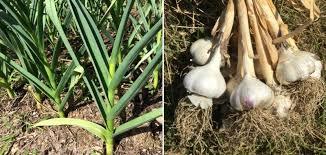
Similarly, Nigeria can increase its garlic production to contribute significantly to the global export market, thereby diversifying its economy, creating employment opportunities, and enhancing its reputation as a major agricultural exporter.
Ayodeji Adepoju, a postdoctoral researcher in Nutritional sciences, at the University of Missouri, Columbia, USA, speaking on how Nigeria can tap into this opportunity, said the country can provide incentives for farmers by way of subsidies, training, and equipment to encourage farmers to cultivate garlic.
He said further that Nigeria can invest in irrigation systems, storage facilities, and roads to facilitate garlic production and transportation leveraging improved infrastructure for agribusiness.
Adepoju completed his PhD at Adeleke University, Ede where he conducted the 12 months study on ‘Effects of hydroethanolic garlic extract on feeding behaviour and oxidative stress in high fat diet-fed Drosophila melanogaster’.
According to him, Nigeria can enhance market access by establishing trade agreements and connections with global buyers to increase the country’s exports potentials of garlic. Similarly, he said that the country should promote value addition by encouraging processing and packaging of garlic to increase its value and attract better prices.
The lead researcher in Nutritional Biochemistry, who recently conducted a study in collaboration with Monde Ntwasa, Professor from the University of South Africa, Florida Park, Roodepoort; Temitope Oyedepo, Professor from Adeleke University, Ede, Osun state, and Ademola Ayeleso, Professor from Bowen University, Iwo, Osun state, disclosed that Nigeria can conduct further research and development on disease-resistant garlic varieties and improve farming techniques to increase yields.
According to Adepoju, by implementing these strategies, Nigeria can increase garlic cultivation, boost agribusiness, to benefit from the global demand for the versatile crop which can lead to increased revenue, job creation, and economic growth for the country.
Speaking further on his research findings, Adepoju said that garlic is a significant herb in Nigeria, which thrive well in both tropical and subtropical regions, and requires rainfall ranging from 600 mm to 1200 mm and temperatures between 5-25°C for minimum and 25-40°C for maximum.
Read also: Incredible benefits of garlic: A clove a day keeps the doctor away
Globally, garlic is cultivated in many countries, with China leading as the largest producer, contributing over 80 percent of the global output. Other notable producers include India, Bangladesh, and the United States. “China’s dominance in the garlic market means that any fluctuation in its production, such as those caused by poor weather conditions, can significantly impact global prices,” Adepoju said.
According to him, recent studies have highlighted the potential health benefits of garlic, particularly in combating metabolic disorders and oxidative stress, as published in a journal of herbmed pharmacology. “Garlic (Allium sativum) has been widely recognized not just as a culinary staple but also for its impressive medicinal properties. Our research has specifically explored the effects of garlic on oxidative stress and metabolic disorders.”
He said further that the studies indicated that garlic possesses strong antioxidant properties, effectively scavenging harmful radicals known to contribute to oxidative stress and subsequent cellular damage. “The chemicals in Garlic, mainly flavonoids, are critical to its antioxidant capabilities. These compounds not only neutralize harmful free radicals but also enhance the body’s natural antioxidant defenses.”
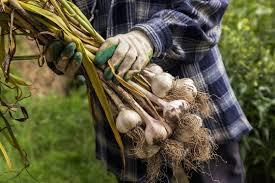
Furthermore, his studies indicated that garlic also demonstrated significant benefits to the body metabolism. It promotes the breakdown of fats, and the formation of glycogen from glucose. These processes are vital in managing obesity, a primary component of metabolic syndrome.
The studies noted that garlic contributed to the reductions in cholesterol, triglycerides, and total sugar levels, while their glycogen content increased. According to him, this indicates improved energy storage and utilization, crucial for metabolic health.
“Garlic’s potential in managing metabolic diseases extends beyond just its antioxidant and metabolic effects. Its bioactive compounds, including saponins and alkaloids, have been linked to various health benefits, such as anti-inflammatory, anticancer, and cardio-protective effects. These properties make garlic a promising natural therapeutic agent for a range of health issues,” Adepoju said.
According to him, garlic’s role in promoting cardiovascular health extends beyond its antioxidant properties. He disclosed that it has been found to lower cholesterol levels and improve lipid profiles, which is an essential factor in maintaining a healthy heart.
Similarly, he said that clinical trials involving garlic and lemon juice mixtures have shown significant reductions in lipid levels and cardiovascular risk factors in individuals with moderate hyperlipidemia (high levels of fats in the blood).
Additionally, garlic’s ability to enhance the production of antioxidant enzymes like catalase and superoxide dismutase further supports cardiovascular health by protecting against oxidative damage.
The studies spearheaded by Adepoju highlighted the therapeutic potential of garlic in combating metabolic syndrome and oxidative stress. “The potent antioxidant properties, coupled with its ability to promote fat breakdown and energy storage, make garlic an invaluable addition to the diet for preventing and managing various health conditions.
As research progresses, garlic’s role in health and medicine continues to grow, reaffirming its place as a powerful natural remedy. Incorporating garlic into your daily diet, whether through fresh cloves, garlic supplements, or aged garlic extracts, can be a simple yet effective step towards better health. Embrace the power of this humble bulb and unlock its myriad health benefits for a healthier, more vibrant life,” Adepoju said.
Giving an historical background on the potentials of garlic, Adepoju said that garlic has been utilised as a remedy during the various epidemics such as typhus, dysentery, cholera, influenza in the past. According to him, whenever an epidemic has emerged, garlic has been the first preventive and curative remedy.
“Far back as 1913, the antiseptic properties of garlic were confirmed in the keeping down of cholera. It was used as a nutritional supplement in the affected areas for the prevention of cholera spread,” Adepoju said, disclosing that further studies are needed to be conducted to validate this claim.

Join BusinessDay whatsapp Channel, to stay up to date
Open In Whatsapp