Fast urbanisation of sub-Saharan Africa is propelling the engine of real estate in the region, making Nigeria one of the hotspots of the industry, more so for the commercial real estate than residential. A growing number of commercial high-rises are coming up with the most modern facilities aimed at attracting investors and of course the natives. However, the residential realty scene leaves room for a lot of improvement.
Numerous research reports and studies have been conducted on the realty potential and prospects of Nigeria and all of them point towards the same thing: the country has potential to be the real estate haven in the commercial space. The demand for both office and retail space is growing by the day and the supply is matching the demand. Abuja, Lagos and Port Harcourt stand unrivalled at the top of the commercial real estate space.
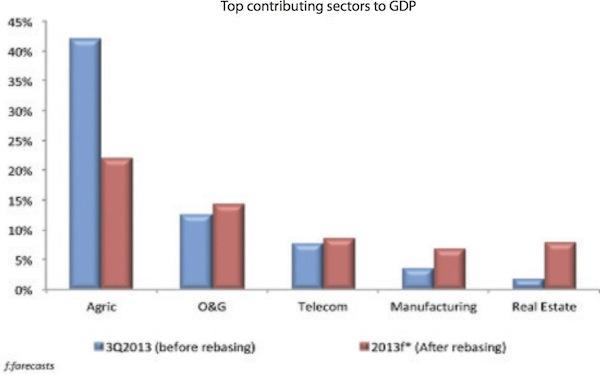
According to the Organisation of the Petroleum Exporting Countries (OPEC), the oil and gas sector makes up 35 percent of GDP, while revenue from exporting petroleum stands at about 70 percent of total exports revenue. This makes Nigeria a goldmine of oil and gas. At the same time, the rebased GDP figures for 2013 state that out of the total rebased GDP of $510 billion, real estate contributed 8.01 percent, which translates into $40.9 billion.
With foreign players making a beeline to enter the lucrative realty market of Nigeria, the realty industry here is being termed by many as the ‘new oil rig’. Nevertheless, it is the commercial real estate space that is at the receiving end, not the residential realty space.
The state of affairs
Foreign investment in the real estate sector is growing at an unprecedented rate with many multinationals investing in the sector. This investment is more or less concentrated in the commercial space including office, retail and industrial land space. When it comes to the residential expanse, the picture is not as rosy.
The economic boom prior to the economic slowdown of 2008-2009 saw a humungous number of luxury housing come up. Villas, independent bungalows, grand flats all came up during this time. The market in the higher income groups was doing very well, but with the economic recession came the slowdown in this category. Prior to the recession, the residential property prices went up by almost ‘300 percent y-o-y’. Today, most of the luxury housing projects have undergone correction in the price, though reports confirm that this category is still extremely overpriced. For instance, for a four-bedroom executive house in an upmarket locality in Lagos, the rent is $10,000 per square metre per month. Similar trend can be seen in Abuja too. While this market is still on the rise going by the recent FDI worth N24 billion in the luxury residential space, it is the millions of natives who stand to suffer the most.
…to be continued
Excerpts from the forthcoming BusinessDay Real Estate Report 2014. For advert placement and enquiries, kindly send in your requests to: [email protected]/en
Ruchi Gupta

Join BusinessDay whatsapp Channel, to stay up to date
Open In Whatsapp