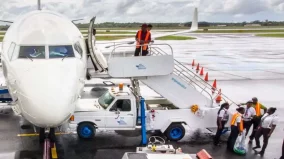
The International Air Transport Association (IATA) and its members continue to support governments in their efforts to contain the spread of COVID-19. Since the crisis began, air cargo has been a vital partner in delivering much-needed medicines, medical equipment (including spare parts/ repair components), and in keeping global supply chains functioning for the most time-sensitive materials.
This has been done through dedicated cargo freighter operations, utilization of cargo capacity in passenger aircraft and with relief flights to affected areas.
Air cargo is also instrumental in transporting food and other products purchased online in support of quarantine and social distancing policies implanted by states.
The dramatic travel restrictions and collapse of passenger demand have severely limited cargo capacity. IATA calls on governments to take urgent measures to ensure that air cargo will be available to support the global fight against COVID-19.
“Over 185,000 passenger flights have been cancelled since the end of January in response to government travel restrictions. With this, vital cargo capacity has disappeared when it is most urgently needed in the fight against COVID-19.
Read also: Trapped by Coronavirus, Nigeria’s Elite Faces Squalid Hospitals – Bloomberg
“The world’s fleet of freighter aircraft has been mobilized to make up this capacity shortfall. Governments must take urgent measures to ensure that vital supply lines remain open, efficient and effective,” Alexandre de Juniac, IATA’S Director General and CEO said.
IATA suggests that the governments must see air cargo as an essential part of the fight against COVID-19 and take the following actions:
Exclude air cargo operations from any COVID19-related travel restrictions, to ensure life-saving medical products can be transported without disruption, ensure that standardized measures are in place so that air cargo can continue to move around the world with minimal disruptions, exempt air cargo crew members, who do not interact with the public, from 14-day quarantine requirements and support temporary traffic rights for cargo operations where restrictions may apply.
IATA also suggest that governments remove economic impediments, such as overfly charges, parking fees, and slot restrictions to support air cargo operations during these unprecedented times.
“Air cargo carriers are working closely with governments and health organizations around the world to safeguard public health while also keeping the global economy moving. Today, as we fight a global health war against COVID-19, governments must take urgent action to facilitate air cargo. Keeping cargo flowing will save lives,” said de Juniac.

Join BusinessDay whatsapp Channel, to stay up to date
Open In Whatsapp