

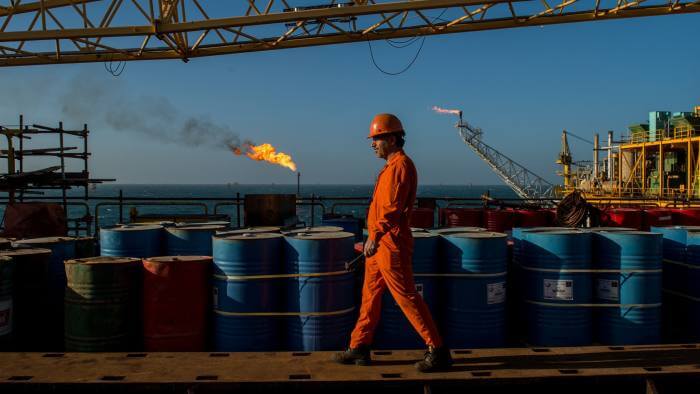
On Monday morning, Oil price jumped by 2.3percent to $70 after Iran said it no longer considers itself bound by the 2015 nuclear agreement negotiated with the United States and other world powers.
US warned of increased threats to energy facilities in the Middle East, after the assassination of an General Iranian general last week.
Brent crude, the international benchmark, rose more than 2 per cent in early Asia trading to touch a high of $70.11.
For an oil dependent economy like Nigeria’s, the price surge is good news, bringing with it prospects higher receipts of foreign exchange badly needed to shore up reserves in Africa’s most populous nation.
Brent has climbed more than 5 per cent since US air strikes killed Qassem Soleimani in Iraq on Friday.
Fallout widened from last week’s killing of a top Iranian military commander by a U.S. drone in Baghdad, a development that have made Iranian government said it would no longer abide by any limits on its enrichment of uranium.
- WORLD IN BRIEF: Angolan bank joins China's yuan payment system, OpenAI probes AI cyber attack, Epstein-linked modelling scout dead and other stories
- Ghana joins Nigeria in holding rates again as US-Iran war clouds inflation outlook
- US will destroy one bridge or power plan for one Iranian attack of vessels in the Gulf, warns Trump
Tensions between Tehran and Washington have soared following Trump’s withdrawal from the landmark Iran nuclear deal brokered by the Obama administration.
The 2015 nuclear agreement lifted sanctions that crippled Iran’s economy and cut its oil exports roughly in half. In exchange for sanctions relief, Iran accepted limits on its nuclear program and allowed international inspectors into its facilities.
Crude last traded briefly above $70 a barrel in September after strikes — which the US blamed on Iran — temporarily knocked out half of Saudi Arabia’s oil production.
Soleimani was the head of the Iranian Revolutionary Guards’ overseas forces and controlled the regime’s extensive influence across Lebanon, Iraq, Syria and Yemen.
The US state department warned on Sunday that there was an increased risk of attacks on oil facilities and other targets in Saudi Arabia, amid widespread expectations Iran would retaliate for the killing of Soleimani.

Join BusinessDay whatsapp Channel, to stay up to date
Open In Whatsapp


