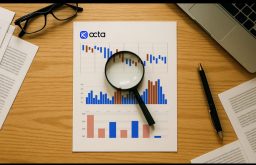
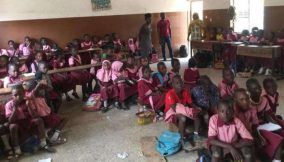
Ou t l o o k f o r t h e education sector would depend on both macro and micro economic indices since these are functions of income and expenditure which affect access to and quality of education. At the macro level, budgetary allocation to education has not shown there will be dramatic changes. Recurrent expenditure of N398.01 billion in the 2017 budget of N7.2 trillion represents 5.41 percent of the total budget, a reduction by 1 percent from the 6.1 percent allocated in 2016. Stakeholders see it as disheartening the meager allocation to the education in the 2017 budget, “it is a sign that the government is not ready to deal with the problems in the sector, such as infrastructure deficit and low staff morale at Federal universities.” lamented Yunus Dauda, lecturer, Faculty of Management Science at the Lagos State University.
Regardless of the clamour for an improvement in the budgetary allocation to a pivotal sector like education, industry stakeholders have described the N398.01 billion, which represents 5.41 percent of the proposed 2017 budget, as counterproductive for the economy. The United Nations Educational, Scientific and Cultural Organisation (UNESCO) recommends 26 per cent budgetary allocation to education.
Experts say Nigeria should raise budgetary allocation to education to 30 per cent. Chinedu Duru, a Lagos-based education consultant, says the percentage decrease is a clear indication that there is really no encouraging signs that the present administration wants rapid growth for a sector that has over the years been somewhat neglected. “The proposed budget for education, which witnessed a drop in percentage terms from that of 2016, will further put strain on resources the education sector will operate with in 2017,” he said.
Ghana allocates 23.1 per cent of its annual budget to education, which is second highest among the 10 neighbouring countries. Among the Economic Community of West African States (ECOWAS) sub-region, Ghana ranks 2nd in terms of share of Government expenditure allocated to education after Cote d’Ivoire. The three countries with lowest shares are: Liberia (12.1 per cent), Cape Verde (13.8 per cent) and Benin (15.9 per cent). In the light of this, Nigeria is one of the nations in the ECOWAS subregions that allocate the least to education.

Join BusinessDay whatsapp Channel, to stay up to date
Open In Whatsapp