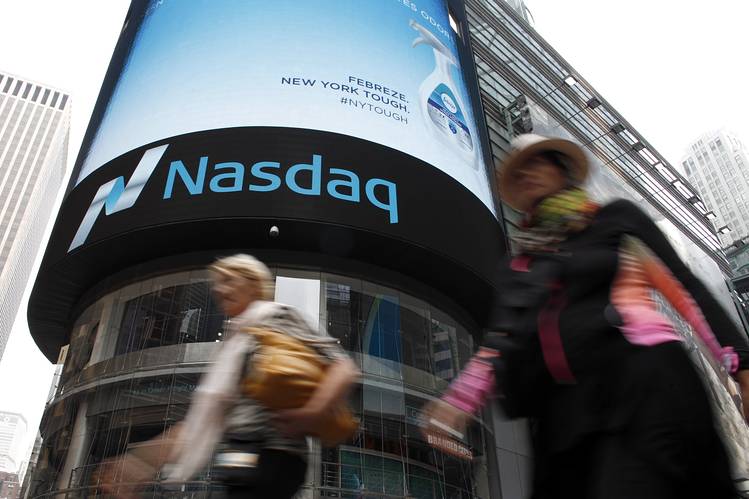
U.S. stocks traded higher on Wednesday, following a more than 1 percent sell-off on Tuesday, as investors closely watched oil prices.
Stocks extended gains after the data’s release, with the Dow Jones industrial average rising about 85 points, with Apple contributing the most gains. The S&P 500 gained 0.6 percent, with utilities leading. The Nasdaq outperformed, gaining 0.8 percent as Apple and the iShares Nasdaq Biotechnology ETF (IBB) rose 3.1 percent and 2.36 percent, respectively.
“You have a lot of confusion from investors,” said Adam Sarhan, CEO at Sarhan Capital. “After a very quiet summer, you’re seeing volatility expand in conjunction with uncertainty.”
The CBOE Volatility Index (VIX), widely considered the best gauge of fear in the market, rose 17.74 percent to 17.85 on Tuesday, but traded 0.8 percent lower on Wednesday.
“Today’s quiet economic calendar should help alleviate some of this latest bout of skittishness,” said Jeremy Klein, chief market strategist at FBN Securities. “Portfolio managers will largely wait until the Fed announces its next rate decision before adjusting their exposure thereby giving short term market participants a clear playing field to operate in the interim. Prior to Janet Yellen’s decision, I do not expect that the current pullback will spin out of control and transform itself into an official correction.”
Data released Wednesday included import prices for August, which fell 0.2 percent. Economists polled by Reuters had forecast import prices slipping 0.1 percent in August. In the 12 months through August, import prices fell 2.2 percent, the smallest decrease since October 2014, after declining 3.7 percent in July.
Import prices have been constrained by a strong dollar and cheap oil. That, together with sluggish wage growth have left inflation persistently running below the Fed’s 2 percent target.
The Federal Reserve entered a quiet period on Tuesday, a day after several of the central bank’s officials delivered dovish remarks. But the three major indexes fell sharply Tuesday, as concerns over the Fed’s monetary policy meeting and a 3 percent drop in oil prices weighed.
The Fed is scheduled to meet next week and deliver its latest decision on monetary policy. Market expectations for a September rate hike were 15 percent on Wednesday.
Another element concerning investors is the U.S. presidential election. “The election is finally close enough to be a worry,” said Randy Warren, CIO at Warren Financial. “[Donald] Trump is making things close and that’s threatening the assumption within the market that Hillary [Clinton] will win.”
According to data from RealClearPolitics, Clinton’s lead over Trump has narrowed considerably since August. “Investors are very unconvinced about the direction of the market and are hesitating in placing their bets. This is reflected in the market today while there is also anxiety about Trump leading in the poll,” said Naeem Aslam, chief market analyst at Think Markets.
Meanwhile, U.S. Treasurys rose after a large sell-off on Tuesday, with the two-year note yield near 0.76 percent and the 10-year note yield around 1.70 percent.
“If long rates have reached a major inflection point over the past month as I think they have, buying on any stock market dip becomes more fraught with risk I believe,” said Peter Boockvar, chief market analyst at The Lindsey Group.
The U.S. dollar fell against a basket of currencies, with the euro near $1.122 and the yen around 102.7.
CNBC


Join BusinessDay whatsapp Channel, to stay up to date
Open In Whatsapp