Nigeria has pledged its support for African capacity building as part of its commitment towards improving on both human and institutional capacity to deliver desired goals on the continent.
Consequently, the country in addition to its previous contributions assured the African Building Foundation (ACDF) of her continuous support and collaboration.
Zainab Ahmed, minister of State for Budget and National Planning, said this on the sideline of special meeting with the ACBF board of governors, at the African Development Week in Addis Ababa, Ethiopia.
The ACDF was built through a partnership between African countries and their development partners as a mechanism for pooling resources to support capacity building in Africa.
It aims to build strategic partnerships, offer technical support, and provide African countries access to relevant knowledge related to capacity building in Africa.
The Foundation is funded by the WorldBank as well as all African countries with the largest contributors so far being Nigeria, Kenya, Burkina Faso, Cameroon, Zimbabwe, Guinea and South Africa.
The minister expressed Nigeria’s appreciation of the ACDF, stressing that no matter the good work put in place, little would be achieved in terms of positive yields, without capacity of those entrusted with the task.
“Institutional capacity is also of paramount importance, especially in respect of Nigeria’s experience during the recent budget exercise.”
”We are very impressed with the works of this foundation. We have benefitted from its work and we are ever looking forward to continue our support for it, she said.
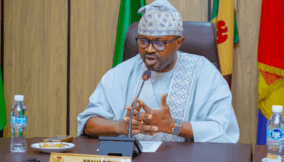
Speaking at the meeting, Emmanuel Nnadozie, executive secretary of the ACBF, said the foundation requires the political support of the states to fulfill its mandate of capacity development in achieving Africa’s development agendas.
According to him, the foundation’s 2017-2021 strategic plan was built on the fact that despite the progress made on several front since the beginning of the millennium, African countries and regional bodies would continue to face serious constraints in translating their development strategies into sustainable development result.
“So the good news is that the continent has been able to diagnose its problems and it has found out that it’s sustainable development result can only be achieved through economic and social transformation.
“So it has taken the necessary steps to formulate the African Union Agenda 2063, which is the vision of Africa’s future and has come up with a common position for the achievement of the Sustainable Development Goals.
“It is now an evidence that the implementing the first ten year plan of Agenda 2063 and the SDGs by 2030 would require significant investment in capacity development at country, regional and continents level,” he said.
Nnadozie assured African countries who were represented by their Finance, National or Economic Planning Ministers, of the foundation’s continued technical support to countries as they go about attaining their development agenda.
He also revealed that the foundation had developed its five year strategy covering 2017 to 2021, which would provide a decisive support to African countries, regional communities and pan African institutions on the path to economic transformation.

Join BusinessDay whatsapp Channel, to stay up to date
Open In Whatsapp