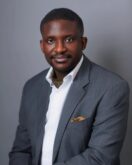
Nigeria is seriously seeking foreign investors to help develop its economy, create jobs and bring in the much needed forex. Jonathan Ström and Steve Naude, co-founders of Hastanjo, a company they established to assist expatriates looking to start up business in Nigeria. In this interview, they spoke to MABEL DIMMA about what they do. Excerpts:
How does Hastanjo help investors with the end-to-end process?
Steve: We started this company in October 2015. When a foreign company looks to invest in Nigeria, they might never been out of their home country or know anything about Africa or the country. So we help them from the start; teaching and advising them about the country, the market as related to their business, what they can expect in what they are trying to do. For instance, if it’s a glass manufacturing company; how does the market work? What are the opportunities? Is there a market for your business or products? Then you assist them to visit, see Nigeria and introduce them to potential partners, investors, distributors or what else they need. We help them understand what’s happening on ground because so much of Nigeria that’s portrayed through the media is negative. When they decide to come, we help set them up; registration of the business, paperwork to help get them started and they can arrive and start operating immediately.
What is your interest in Nigeria?
Jonathan: We’ve both been here for over three years now, but totally different backgrounds. I worked in e-commerce before and Steve with IBM. We felt that this is a country of opportunities and loved that there are entrepreneurs everywhere. Of course, everyone knows about the opportunities, though at the moment it seems like fewer opportunities, but there is always potential. You can find ways to talk about the country without focusing on issues by highlighting the positive things. There’ll be lot of opportunities after this crisis as well.
What will Sweden bring to the Nigerian economy?
Jonathan: We have good understanding of technology; we’ve done a lot of investments in e-commerce, so we know a lot about the sector. Swedes are good with raw materials, the heavy industry; so a lot of our understanding can definitely help to develop Nigeria. For me, it is taking Nigeria to another level, to ensure we are not focusing on oil but spreading the opportunities to other sectors as well.
What specific sectors are investors expected from?
Steve: There are lots of interests with most people looking at agriculture and manufacturing across a range as well as consumer products base and services. One of the things we put very strongly is the need to localise. The way you operate in Sweden, America or the UK is not the same here; you need to understand the local market condition and adjust because you can’t make Nigeria adjust for you, you have to adjust, which is how it should be. A country of 180 million people, there’s big opportunity for people who want to target manufacturing products here; not just sending products in a container but making the stuff locally, working and doing it here.
Do you have available contacts of raw materials for interested investor?
Steve: Yes. For instance we know people who work in the agriculture business here, so we can introduce and help them connect. If you want to start a tomato paste factory, we can connect you to tomato farmers in Kano and help you find a location for your factory, as well as workers with the state government to launch the thing and then connect to people out there. That’s the kind of service that we like to offer.
What location are the investors coming from?
Jonathan: We are open for any type of investors and type of company from around the world; the four of us are basically, three Swedes and Steve from UK. We are not just looking for friends or specific companies.
How do potential investors know or locate Hastanjo?
Steve: We started with our website; if you are searching for how to enter Nigeria, (finger crossed) you can find us online through the searches. A lot of it is through offline connections; between us and our board is a lot of connections especially in Europe and we’ve reached out to a lot. If they are not interested, they can get someone who is. We’ll reach out to investors because Nigeria has huge potentials. Africa is not just South Africa or Kenya; Nigeria is the biggest economy. If you are dealing with Africa today and you are not looking at Nigeria, you are doing something wrong. That’s the kind of message we are trying to pass across.
Will this company transfer expertise to Nigerians?
Steve: In the past I think it’s something a number of companies, especially oil companies and others got wrong. They bring in expatriates to senior positions, and then they just leave them there. The government is giving this a big push across sections now; when you are getting your quotas and your work permit, they are trying to push this succession plan. So it’s becoming more of a requirement and it’s also something we feel and speak very strongly about to these companies to say, “You can’t just bring in an expatriate and put him to run the business like that. You need to transfer skills”, you need to push this across, and I think when they arrive and they understand the market, which we will help them do, they will begin to understand that this is a necessity. It is not something you pay lip-service to, it’s something you need to do if you want to be successful here. It’s more cost effective; to hire an expatriate is very expensive – people coming on crazy packages sometimes, it doesn’t make sense.
Jonathan: If it is long term, you need to transfer the knowledge and make sure that you get sustainability over time; not just flying in people because they will leave after awhile anyway. So we are definitely seeing that to build something sustainable, you have to make sure that you are transferring the knowledge to the people that you hired to work.
What is the opinion of investors about the country?
Steve: Mixed; some people are super excited. You give them some of the data and fact, they see the opportunity, and the size of the scale, thinking this is a really good country. Other people who maybe have been sheltered from Africa, all they know are the negatives- Boko Haram, Ebola, corruption, etc and they need a bit more convincing. That’s why one of the things we say is “come and visit; book a plane ticket; we’ll take care of you when you get here. Come see the place, experience it”. So many people who have come here, they were so nervous before they come. When they leave, you have a phone call two weeks later asking, “When can I come back? I love Lagos.” You have to see it to understand. You can’t explain it, you have to experience it.
Jonathan: At the moment, it’s not as easy as it was before with the currency issues, so I think a lot of people are kind of holding on for the moment but most of what we are doing is the planning and research which is probably the right time to do it now. And then you can make sure when the market is opening up, then you will be a step ahead of everyone else because you know about what is happening and what you are expected to do.
How many investors are we expecting in the next few months?
Steve: It’s hard to say, with FOREX at the moment, companies which rely heavily on imports are interested but a number of them are not about to set up here due to lack of access to FOREX. We’ve seen a lot of the right kind of companies; the ones interested in manufacturing, they guys who want to come in properly and set up stuff, but of course it is a small number of the total, but it’s not about numbers; it’s about the type of companies. We hope we can sell Nigeria well, attract investors who will help develop the country and really give something back. Not just those who want to come in, make a quick buck and get out; so it’s quality over quantity.
What has been your experience in Nigeria for the past three years?
Jonathan: It’s been a rollercoaster ride, the economy went up in 2014, it was totally crazy in the e-commerce industry and then 2015 came; we had the elections and the second elections; so much uncertainty. It has been extremely interesting, but we are looking for stability. In the next couple of years; I think 2016 is going to be a tough year, but hopefully we can find some of stability.
Steve: I agree and also experience wise, it’s been very fun, there is always excitement and it is interesting. We don’t like that a lot of people (foreigners) come here and are quite sheltered; for me, I like to travel a lot and see around Nigeria and Lagos, see other places and meet other people, go out at night to Surulere, see new places; get a better understanding. If you put yourself out there, and you are prepared to go out, you get a lot back. You ask questions and you speak to people; people are so friendly and helpful. If you live in your little bubble, you don’t see much.
What is your reaction to happenings in the Nigeria economy, for instance the CBN FOREX policy?
Steve: It has affected a number of companies and anyone who does imports, which is basically everyone. Even for manufacturing, a lot of raw materials are imported. It creates uncertainty and that is one thing investors don’t like. If they know the next twelve months will be bad but after that things would change; there is a bit more solidity around that. When things are so fluid and uncertain- you see the naira in one weeksink 25% down, it is impossible to plan. It will put a lot of people off for now; but the people, who see beyond, that this is a short term thing, are still interested and talking. It’s causing some issues of course, but we hope that it’s short term. We hope that monetary and fiscal policies will be aligned, and they can come up with a system that works well for everyone. Not just for importers, exporters, big companies but also for the masses. It’s not easy when the oil price is high and the money is not coming in, but we await direction.
Jonathan: To some extent, I think we just need a lot of directions to be able to understand: this is the plan, this is what we are expecting, and then people just start planning from those directions coming from the government. Right now it is tough for investors to plan for the future.
MABEL DIMMA

Join BusinessDay whatsapp Channel, to stay up to date
Open In Whatsapp