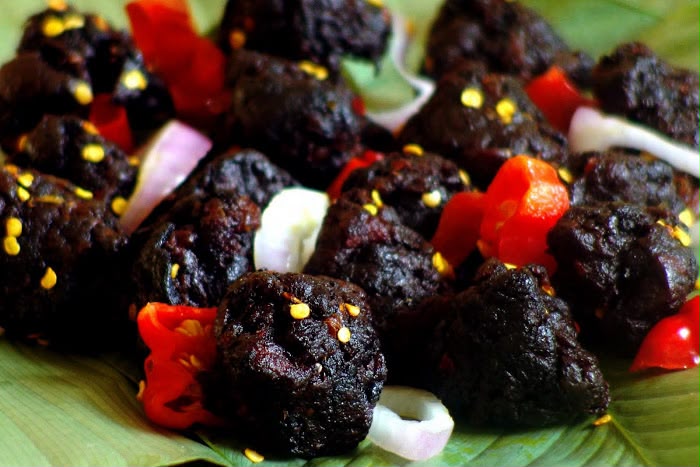
Dodo Ikire, renowned for its distinctive dark brown colour, sweet taste and spicy flavour, is native to Ikire in Osun State.
It is a special snack popular in the western part of Nigeria and the best idea lis to make the plantains when they are overriped.
The plantain-based snack draws both its name and identity from the town of Ikire, where it was first produced and has remained a symbol of the community’s food heritage for decades.
This golden, crispy, naturally sweet, and richly flavoured Nigerian snack is a well known street delight as well as a living culinary tradition that embodies indigenous knowledge, cultural identity, and generations of craftsmanship worthy of inscription on UNESCO’s Intangible Cultural Heritage (ICH) List.
What began as a native way of making use of overripe plantains has evolved into one of Osun State’s most popular traditional snacks known throughout the south-western region of Nigeria and even across the country into other continents.
In the course of our culinary conversation, Tolulope Oyekola, a Mass Communication student of Pan Athlantic University, who works with me in the newsroom, stressed on the fact that Dodo Ikire is made from mashed overripe plantains, mixed with pepper and salt before being deep-fried in palm oil.
Unlike the regular fried plantain (Dodo) its unique preparation method gives a dense, chewy texture and an appearance that has become instantly recognisable across Nigeria.
Prepared from carefully selected overripe plantains that are mashed, blended with local peppers and spices, shaped by hand, and fried using traditional methods passed down through generations, the distinctive taste, texture, and impressive shelf life of Dodo Ikire have made it one of Nigeria’s most iconic indigenous snacks.
Despite the burnt-like appearance, Dodo Ikire’s dark colour is the result of the natural caramelisation of sugars in overripe plantains as they are fried.
However, the end product is slightly crunchy on the outside and soft and chewy on the inside with a unique sweet and spicy flavour.
Beyond its appealing taste, Dodo Ikire represents the creativity and resourcefulness of the Ikire people.
According to local accounts, the delicacy was created by an elderly woman who sought to make use of overripe plantains that would otherwise have gone to waste. By transforming what many considered unusable into a delicious delicacy, she introduced a recipe that has continued to thrive across generations.
Over the years, Dodo Ikire has become more than just a popular snack. It has become a source of pride for the people of Ikire and an important part of the town’s cultural identity.
Travellers passing through the town often stop to purchase the delicacy, making it one of Osun State’s most recognised traditional foods and contributing to the local economy.
Beyond its irresistible flavour, Dodo Ikire is a nutritious food. Ripe plantains are rich in dietary fibre, which supports healthy digestion, and are excellent sources of vitamin A for eye health, vitamin C for immunity, vitamin B6 for brain function, and potassium, which helps regulate blood pressure, supports heart health, and aids proper muscle function. Plantains also provide natural carbohydrates that supply lasting energy, making Dodo Ikire a satisfying snack when enjoyed in moderation. It also contains antioxidants that help protect the body from oxidative stress.
The true heritage of Dodo Ikire lies in the cultural knowledge behind its preparation.
The recipes, techniques, and skills are transmitted from one generation to another, sustaining local livelihoods, empowering women processors and traders, preserving indigenous food traditions, and strengthening community identity.
Every bite tells the story of innovation, resilience, and the creative transformation of locally grown plantains into a nationally celebrated delicacy.
These are the very values UNESCO seeks to safeguard through its Intangible Cultural Heritage List, living traditions, community knowledge, and cultural practices that define a people’s identity.
Dodo Ikire is not merely a snack but a symbol of Nigeria’s culinary heritage, agricultural ingenuity, and cultural pride.
Across different media spaces, Nigeria continues to celebrate and preserve its diverse food heritage and Dodo Ikire stands as a reminder that some of the country’s greatest culinary treasures are born from simple ingredients, creativity and tradition.
Preserving and promoting delicacies such as Dodo Ikire not only safeguards indigenous food knowledge but also ensures that future generations continue to appreciate the rich cultural stories behind Nigeria’s traditional cuisine.
As the world celebrates traditional foods as cultural heritage, Nigeria must champion Dodo Ikire as one of its culinary treasures.
and safeguarding this iconic delicacy will not only preserve an important food tradition but also promote cultural tourism, support local economies, and inspire future generations to value and protect Nigeria’s rich culinary heritage.
Let’s visit the kitchen
Recipe for 5 servings
Ingredients
. 4 large plantains having dark overriped skins
. 3 teaspoons ground dried pepper
Salt to taste
. 3 cooking spoons palmoil oil
. 2 cooking spoons vegetable oil
Method
. Dice the plantains and mix in the pepper and salt.
. Form into small balls and set aside.
. Heat the oil until slightly hot.
. Flatten the balls slightly and place them in the hot oil.
. Lower the heat slightly and fry the plantain balls until they are burnt browned.
. Remove from heat.
. Drain and serve with warm ogi.

Join BusinessDay whatsapp Channel, to stay up to date
Open In Whatsapp