President Donald Trump has threatened to launch crippling strikes on Iran’s civilian infrastructure, including bridges and power plants, if Tehran attacks vessels transiting the Strait of Hormuz, sharply escalating tensions in the Gulf and fueling fears of a conflict that could disrupt global oil supplies and send energy prices soaring.
The warning, issued on Tuesday, marks one of Trump’s strongest threats against Tehran since hostilities between the two countries intensified. It comes as Washington seeks to deter any Iranian move to interfere with shipping through the Strait of Hormuz, a strategic maritime corridor that carries nearly one-fifth of the world’s daily oil consumption.
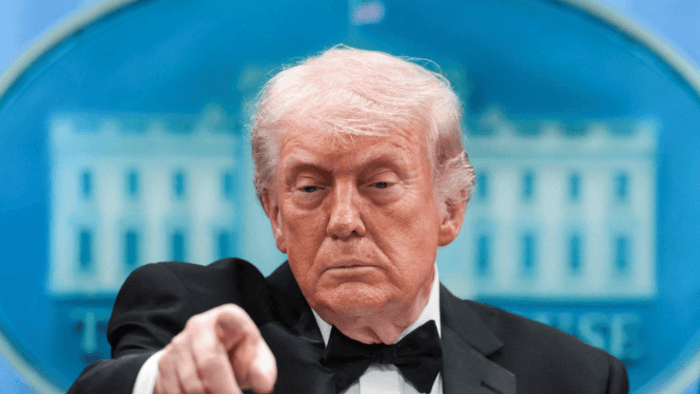
“If Iran fires on ships in the Strait of Hormuz, we will respond by taking out bridges, power plants and other critical infrastructure,” Trump said, stressing that the United States would not tolerate any attempt to threaten freedom of navigation through the waterway.
- WORLD IN BRIEF: Angolan bank joins China's yuan payment system, OpenAI probes AI cyber attack, Epstein-linked modelling scout dead and other stories
- US says fresh wave of strikes against Iranian targets underway
- WORLD IN BRIEF: Singapore court orders Bloomberg to pay $356,000, Brussels construction fire kills six, Kenya extends fuel tax relief and other stories
The Strait of Hormuz, which links the Persian Gulf to the Gulf of Oman and the Arabian Sea, is the principal export route for crude oil and liquefied natural gas from Saudi Arabia, Iraq, Kuwait, Qatar, the United Arab Emirates and Iran. Any disruption to maritime traffic there could trigger a sharp spike in crude prices, increase shipping costs and worsen inflationary pressures on economies worldwide.
Trump’s comments come amid heightened military tensions following recent U.S. operations targeting Iranian nuclear and military facilities. American officials have repeatedly accused Iran and its regional allies of threatening commercial shipping and destabilising the Gulf, allegations Tehran has consistently denied.
The U.S. has maintained a significant naval presence in the region, arguing that safeguarding international shipping lanes is a vital national security and economic priority. Washington has also warned that it is prepared to use military force to ensure the uninterrupted flow of commerce through the Strait of Hormuz.
Iran, however, has long argued that foreign military deployments in the Gulf are a source of instability and has periodically threatened to close the Strait of Hormuz in response to Western sanctions or military pressure. Although those threats have never been fully carried out, analysts say even the possibility of disruption is enough to unsettle global financial and energy markets.
Energy experts warn that any military confrontation in the Gulf could tighten global oil supplies at a time when markets remain sensitive to geopolitical shocks. Beyond higher fuel prices, a prolonged disruption could affect global trade, raise insurance premiums for commercial shipping and weigh on economic growth.
While diplomatic efforts to prevent a broader conflict continue, Trump’s latest warning underscores the increasingly confrontational posture adopted by both Washington and Tehran. Analysts caution that the exchange of threats raises the risk of miscalculation, with potentially severe consequences for regional stability, international trade and the global economy.

Join BusinessDay whatsapp Channel, to stay up to date
Open In Whatsapp