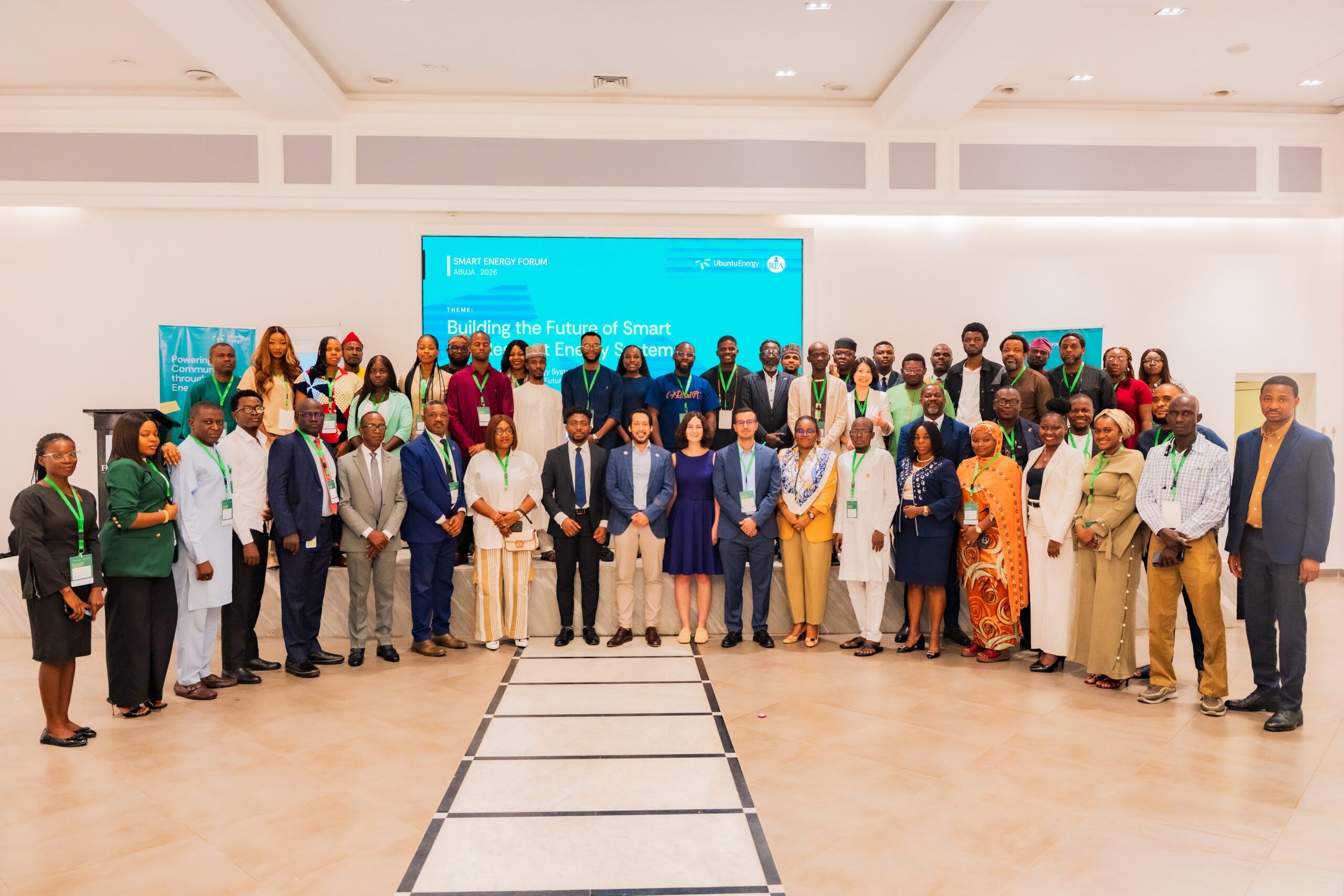
For decades, Africa’s electricity story has been framed around a single deficit: not enough generation capacity to keep the lights on. A gathering of government officials, regulators, investors and engineers in the Nigerian capital last week argued that framing is out of date — and that the more urgent question now is not how much power the continent produces, but how intelligently it uses what it already has.
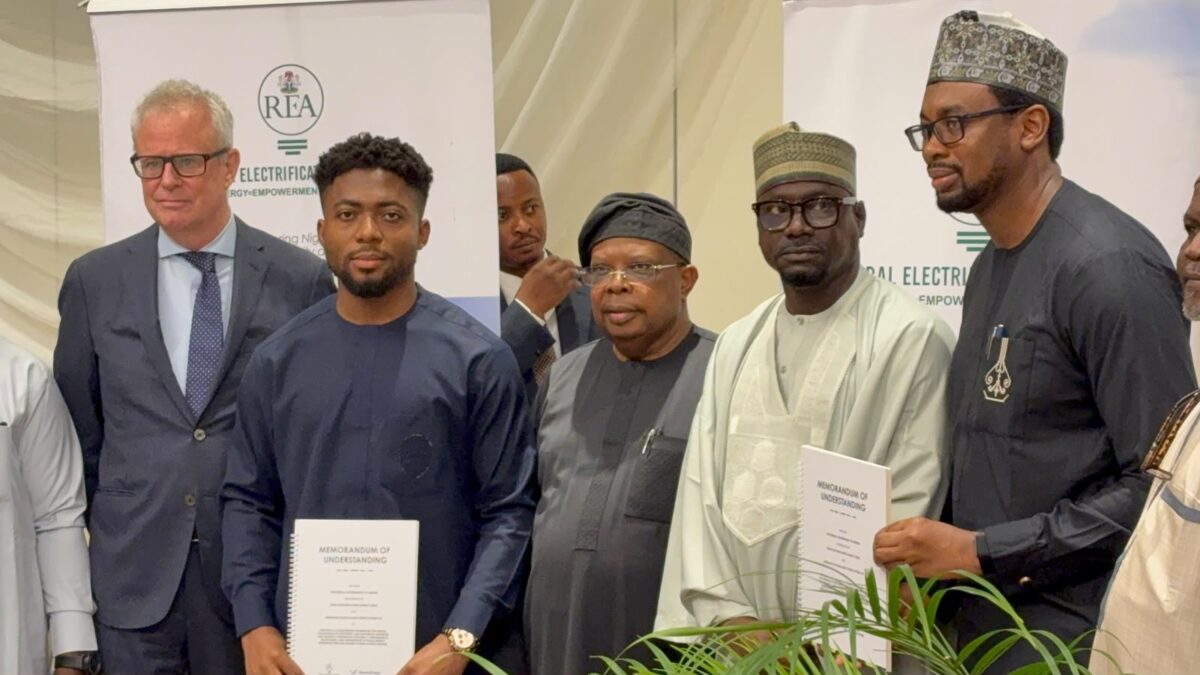
That was the throughline at the Smart Energy Systems Conference 2026, convened by Ubuntu Energy, Greenage Technologies and Nigeria’s Rural Electrification Agency (REA), with backing from the United Nations Industrial Development Organisation’s Accelerate-to-Demonstrate (A2D) Facility, Innovate UK and the UK government. The event drew utilities, regulators, development financiers and technologists to weigh a proposition with echoes of an earlier African tech story: that just as the continent skipped landline banking infrastructure to build mobile money into a global model, it can now skip legacy grid architecture and build distributed, data-driven power networks instead.
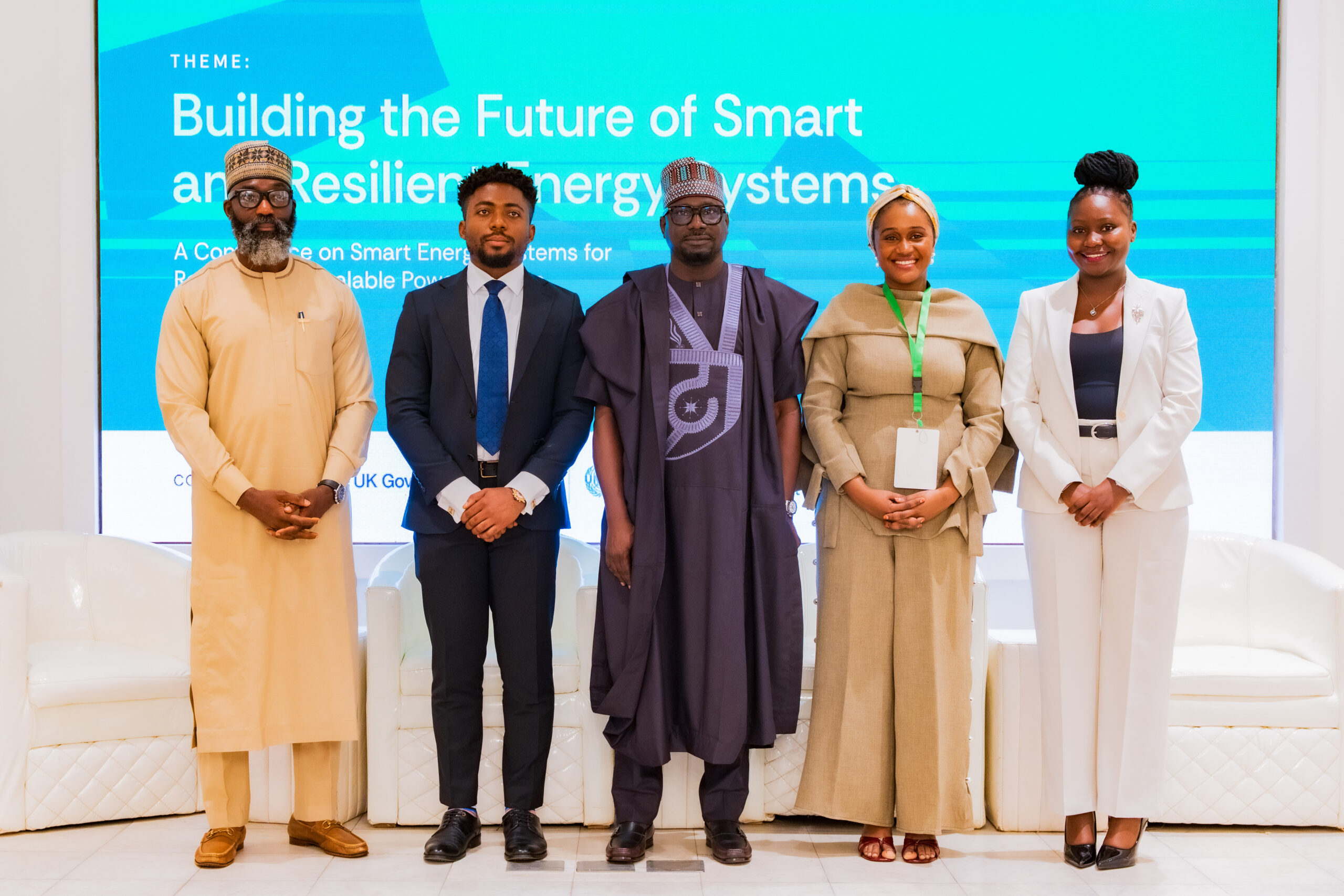
“Africa should not simply adopt technologies developed elsewhere,” said Chukwuemeka Nwangele, co-founder of Ubuntu Energy and Greenage Technologies, in his opening remarks. He called for investment in local engineering and manufacturing that would position the continent as “a creator of next-generation energy solutions rather than a consumer of them.”

Abba Aliyu, managing director of the REA, delivered the keynote, telling delegates that the future of electricity “will not be defined by generation capacity alone, but by how intelligently energy is used, shared and managed.” He pointed to Nigeria’s expanding fleet of distributed renewable assets — built through programs including the Nigeria Electrification Project, the Energising Education Programme and the Distributed Access through Renewable Energy Scale-up initiative — as the raw material for a smarter network, provided those assets can be made more connected and more visible to operators.
That visibility gap is where Ubuntu Energy’s pilot data enters the picture. Mercy Masanga, presenting technical findings from an ongoing project with the REA, told the conference that monitoring across several sites — including installations under the Energising Education Programme — shows meaningful volumes of surplus solar power going unused. Capturing that surplus and routing it to nearby homes and businesses, she said, could extend electricity access without new spending on generation.
The technology behind the pilot, developed with Greenage Technologies and the University of Oxford, links solar-powered institutions such as schools to nearby households and shops through smart low-voltage networks, using metering, digital payments and machine-learning-based load management to turn standalone solar systems into shared local grids.
Saudattu Bobboi of the REA said the project shows how “smart technologies can significantly increase the value of existing public energy infrastructure,” shifting the emphasis from capital-heavy buildouts to better management of what is already installed. Peter Warren of the UNIDO A2D Facility and Vivien Kizilcec of the UK’s Department for Energy Security and Net Zero both pointed to the need for demonstration projects that can prove a model works before it scales, while Anita Otubu of Sustainable Energy for All said partnerships that move technology from pilot to deployment are essential if Nigeria — where millions still lack reliable power — is to meet UN electrification targets. Chijioke Okonkwo of the Enugu Electricity Regulatory Commission said the regulator was working to build a policy environment that accommodates decentralised, tech-driven power models.
Financing surfaced repeatedly as the binding constraint. Development finance institutions and investors at the conference discussed blended finance and catalytic capital as mechanisms to carry technologies past the pilot stage — a familiar hurdle for African infrastructure, where bankable projects often stall for lack of instruments suited to distributed, data-intensive assets rather than single large plants.
Delegates saw the model in operation during site visits across Enugu State, including at Government Technical College campuses under a “Smart Green Schools” program hosted by Amaka Stephanie Ngene of the state’s technical and vocational schools board, and at facilities including the Eye Specialist Hospital in Nsukka. At Ubuntu Energy’s local manufacturing facility, the group toured the assembly line for the company’s metering hardware, the Ubuntu Box, built and integrated in Nigeria alongside installer-training and internship programs.
The visit closed with a meeting between project partners and Enugu State Governor Peter Ndubuisi Mbah, who outlined plans to connect roughly 6.5 megawatts of solar generation across 100 schools in the state through more than 600 Ubuntu devices, and said he wants Enugu positioned as a hub for smart-energy deployment.
Whether that ambition scales beyond Enugu will depend on financing structures and regulatory frameworks that are still being worked out. But organizers said the pilot data marks a shift from theory to operating evidence — an argument, they said, that Nigeria’s path to reliable power runs less through new plants than through making the grid it already has smarter.


Join BusinessDay whatsapp Channel, to stay up to date
Open In Whatsapp